
Scaling Sustainable Packaging
Seven companies. One shared challenge: bringing sustainable packaging solutions to market.
A new independent evaluation demonstrates the value of connecting innovative businesses with technical expertise, industry partners, and targeted support. The W.E. Upjohn Institute for Employment Research recently published From Innovation to Impact: Evaluation of the NextCycle SHAPE Accelerator Cohort, examining the outcomes of a sustainable packaging accelerator delivered through RRS's NextCycle model.
The findings highlight measurable business growth, regional partnerships, and lessons for organizations seeking to advance circular economy innovation. This independent evaluation highlights the impact of RRS's NextCycle Accelerator model and the potential for industry-focused innovation programs.
Connecting Sustainable Packaging Innovation with Market Opportunities
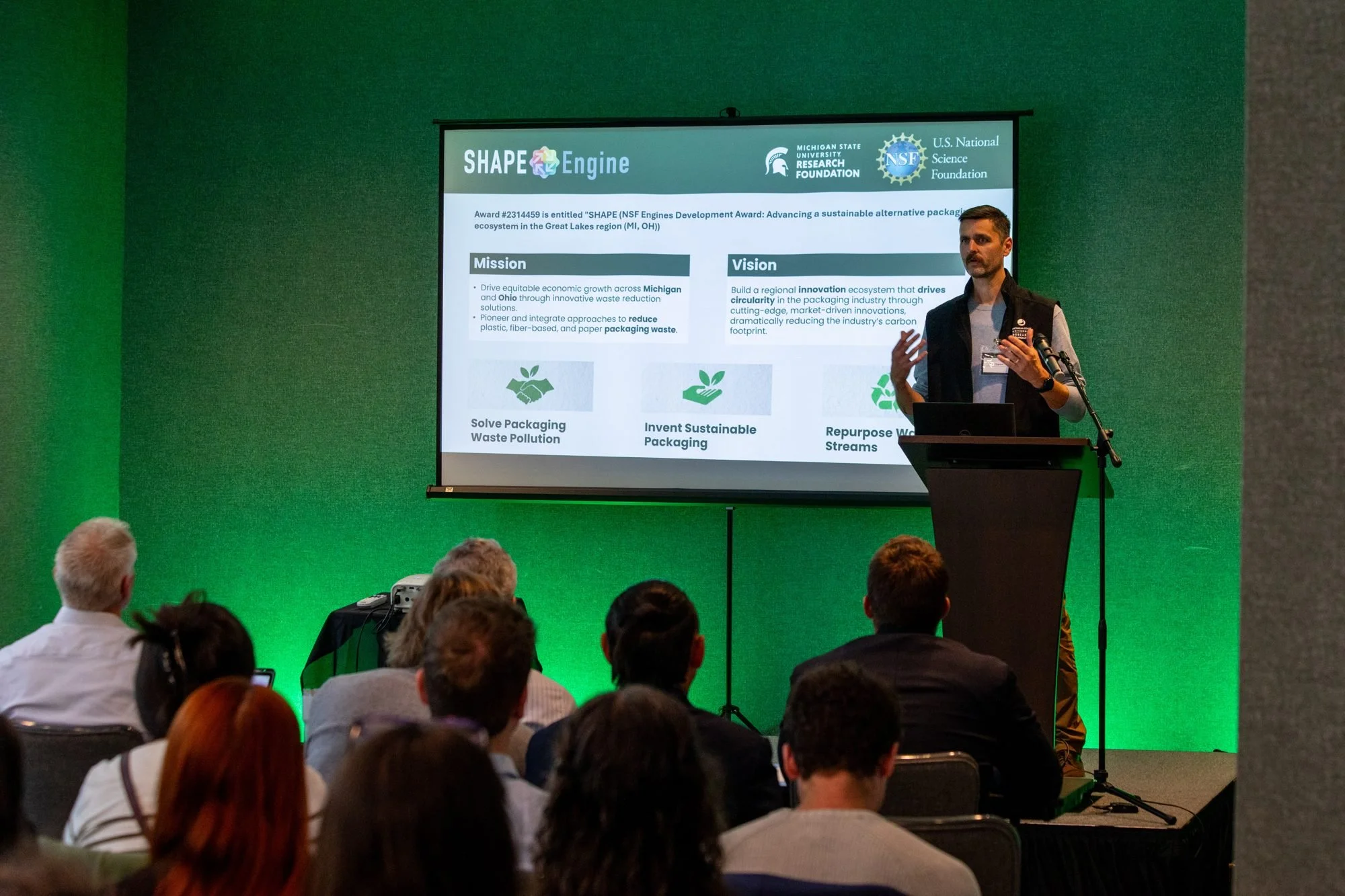
The Solutions Hub for an Alternative Packaging Ecosystem (SHAPE), led by the MSU Research Foundation, brought together Michigan State University, The Ohio State University, RRS, and a broader network of partners to advance sustainable packaging innovation in Michigan and Ohio.
Through the initiative, RRS delivered the NextCycle Sustainable Packaging Accelerator, supporting seven companies developing solutions ranging from reusable packaging and refill systems to recyclable alternatives, compostable materials, and technologies that improve material recovery.
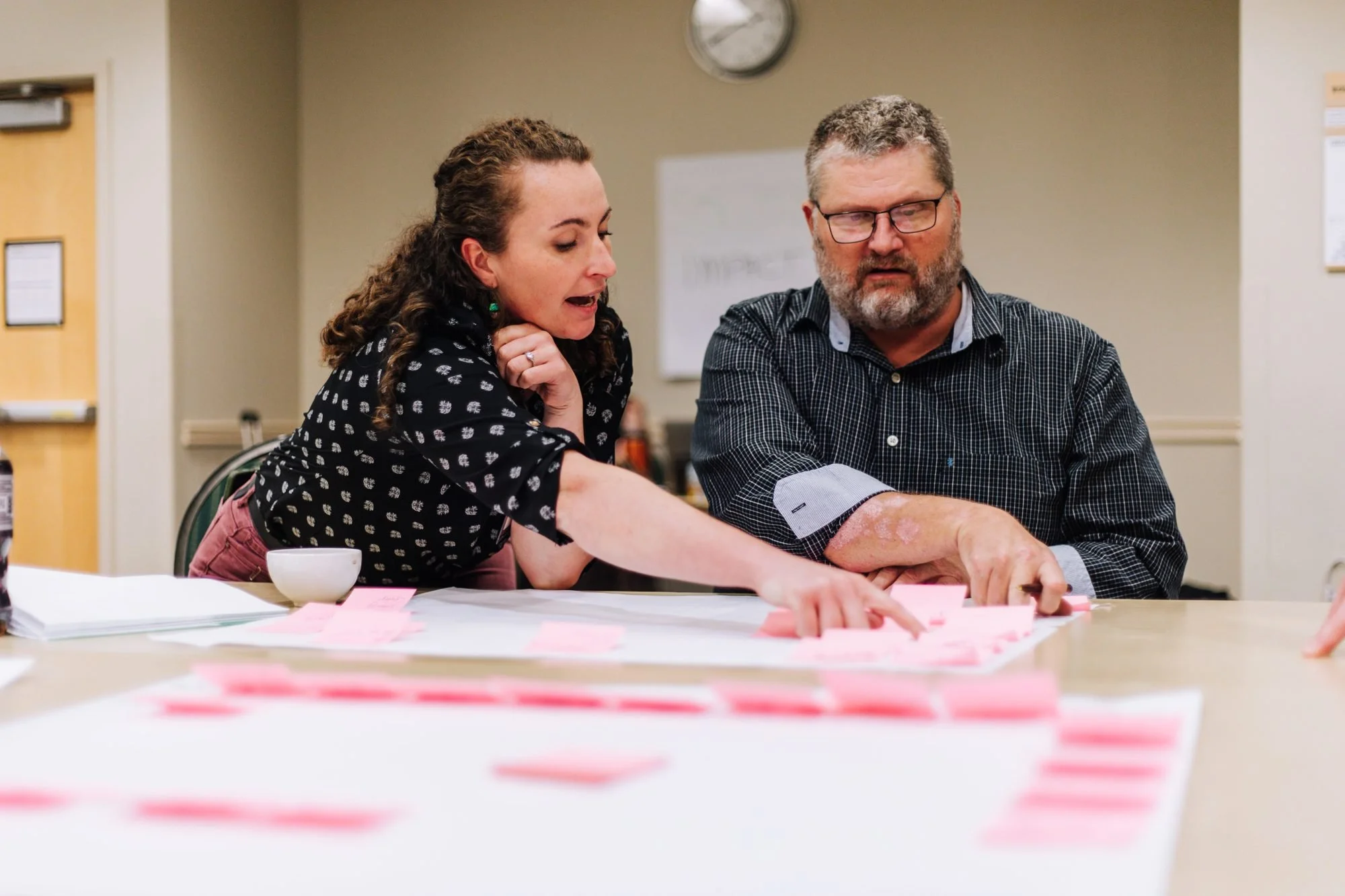
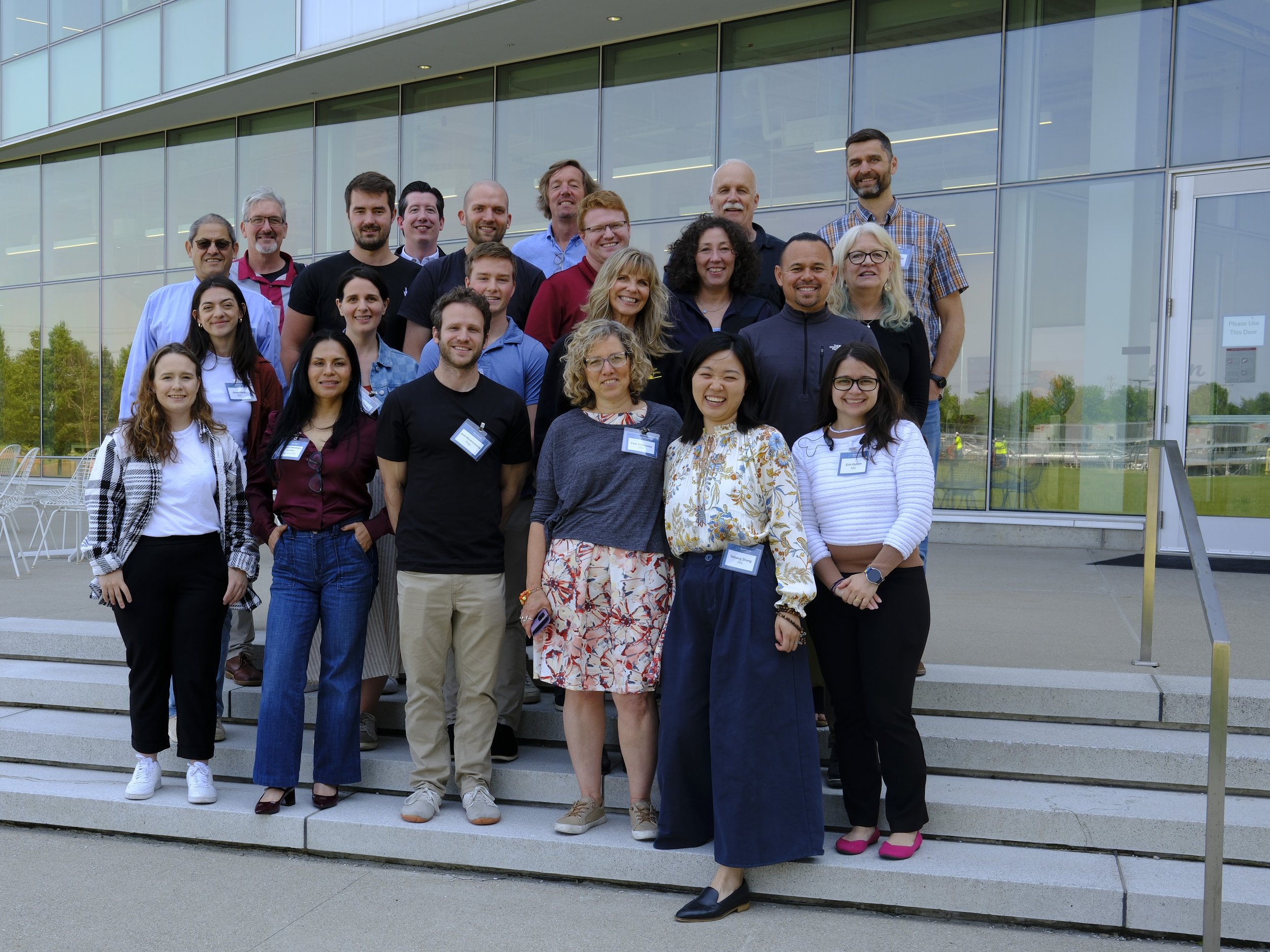
Unlike broader accelerator programs, SHAPE focused on a shared industry challenge: helping sustainable packaging innovations advance toward commercialization while strengthening connections within the region. Each participating company was paired with a NextCycle coach who developed an individualized work plan. Support included technical assistance, business coaching, connections to industry experts, introductions to potential partners, and opportunities to test solutions in real-world settings.
Measuring the Impact
The independent evaluation conducted by the W.E. Upjohn Institute documented measurable outcomes among the seven participating companies:
Estimated direct benefits for every dollar spent on program administration and delivery.
All seven companies entered the market or reported increased sales activity during the program period, while two launched pilots or prototypes.
Together, these findings demonstrate the potential of targeted technical assistance and industry connections to help promising circular economy businesses advance toward commercialization.
From Innovation to Real-World Implementation
One of the accelerator's strengths was its ability to connect innovators with the expertise, facilities, and market opportunities needed to move forward. The program's Accelerator Academy, held at The Ohio State University, brought participating companies together for intensive workshops on topics including life cycle assessment, extended producer responsibility (EPR), business development, and the regional packaging landscape.
The Academy also included a tour of Rumpke Recycling's materials recovery facility in Columbus, Ohio, giving participating companies an opportunity to better understand how the packaging materials they are producing are processed within existing recycling systems.
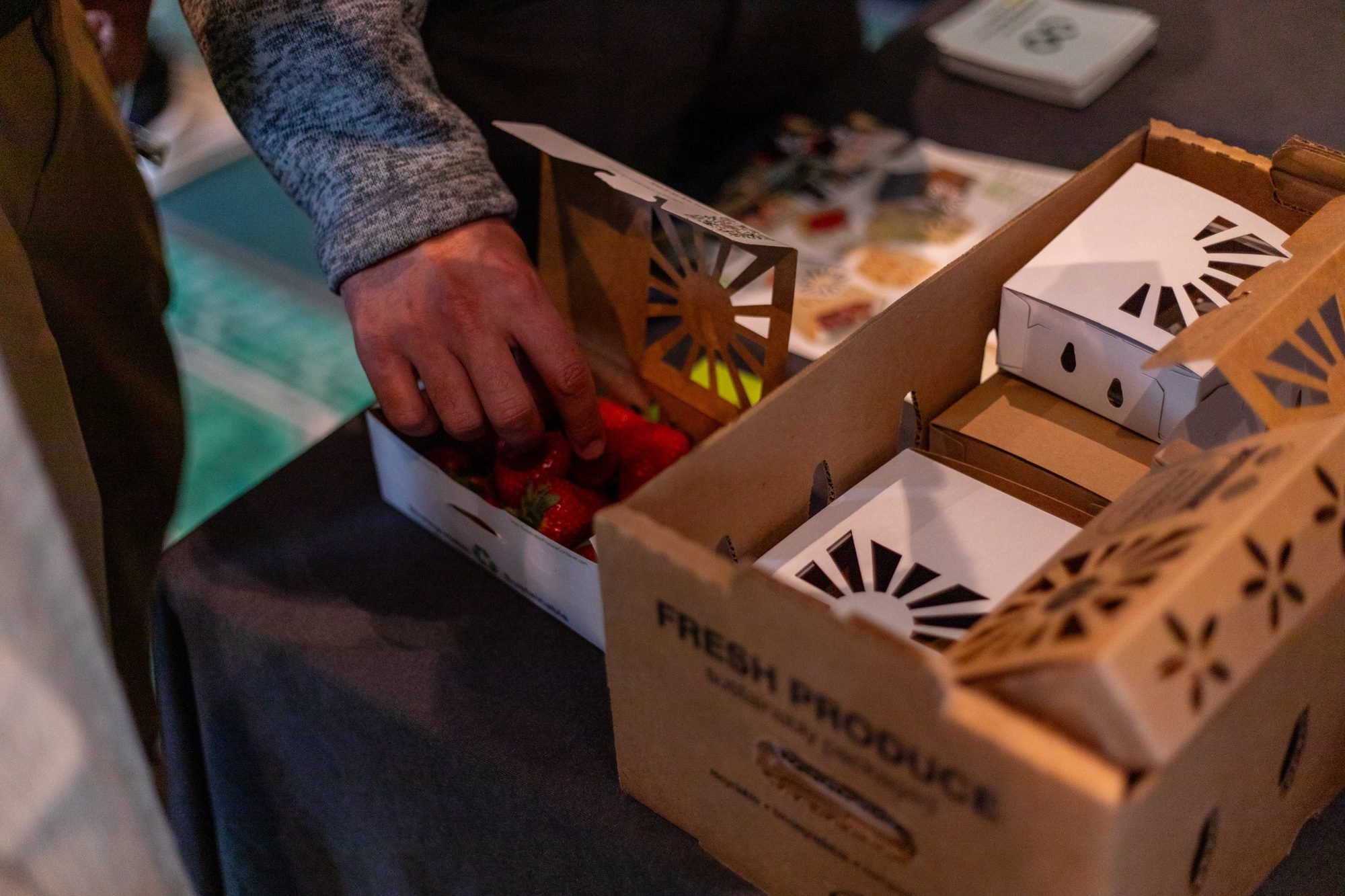
For participating companies, these connections helped create opportunities for real-world validation. Plastilene and Caruso, developing a recyclable alternative to conventional produce trays, conducted testing with Rumpke Recycling to evaluate how their packaging would perform within recycling operations. This type of technical validation can help innovators address barriers to market readiness and identify opportunities to improve their products before scaling. By bringing together technical experts, researchers, industry practitioners, and emerging businesses, the accelerator helped connect innovative ideas with the systems in which they must ultimately operate.
This emphasis on real-world validation reflects RRS's broader packaging expertise. Beyond NextCycle, RRS supports brands, packaging producers, and industry groups with EPR compliance and advisory support, design for recyclability assessments, and field work including bale audits and flow testing at materials recovery facilities to show how packaging actually sorts and where it ends up. That systems-level view helps innovators design packaging that works in today's recycling infrastructure and meets emerging EPR requirements.
Building Connections That Extend Beyond the Program
The value of an accelerator extends beyond its scheduled programming. Connections formed during a cohort can continue to support businesses as they develop new partnerships, pursue investment, and enter additional markets.
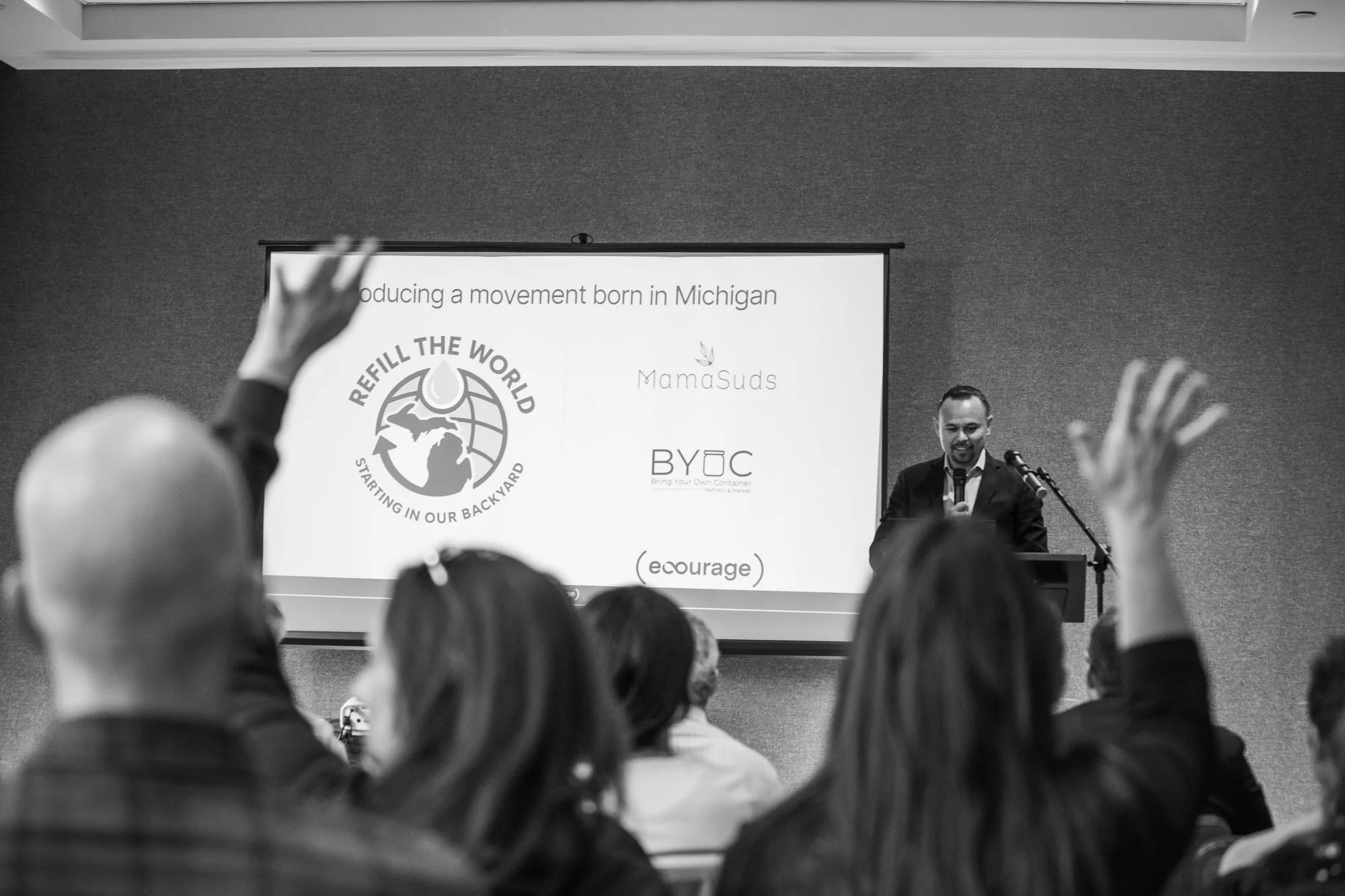
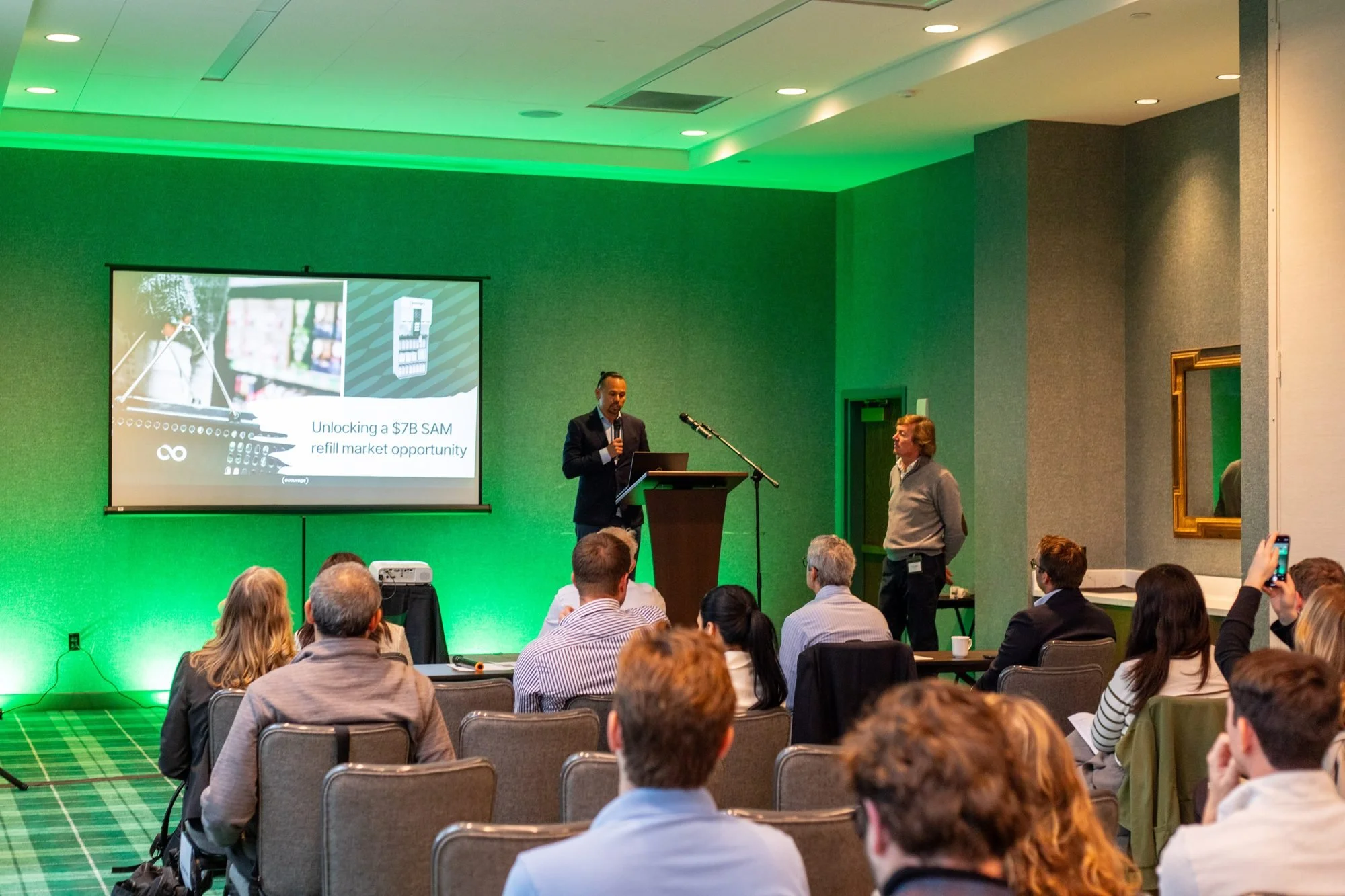
SHAPE participant Ecourage, which develops refill technology for liquid products, used the accelerator to strengthen industry relationships and advance discussions around introducing its refill systems in Michigan. Other participants pursued technical validation, product development, and business growth opportunities with support from academic and industry partners.
These examples reinforce an important element of the NextCycle approach: scaling promising innovations while connecting them to the regional systems, organizations, and businesses that can help them succeed.
A Model for Future Industry-Focused Accelerators
The SHAPE experience also demonstrated the potential to adapt the NextCycle model beyond traditional state-based programs. By organizing an accelerator around a specific industry challenge, partners can attract companies with relevant solutions, engage specialized technical experts, and build connections with businesses positioned to adopt emerging technologies.
- 1Attract companies with relevant solutions
- 2Engage specialized technical experts
- 3Connect with businesses positioned to adopt emerging technologies
- 1Expanded coaching
- 2Additional peer engagement
- 3Closer coordination among regional stakeholders
The Upjohn evaluation also identified opportunities to strengthen future programs through expanded coaching, additional peer engagement, and closer coordination among regional stakeholders. These findings offer valuable lessons for organizations exploring targeted innovation programs.
As demand grows for new approaches to packaging, material recovery, reuse, and other circular economy challenges, specialized accelerators can help connect promising solutions with the markets and partnerships needed to scale.
Turning Innovation into Impact
The SHAPE Accelerator illustrates an important lesson: developing an innovative solution is only part of the journey. Bringing that solution to market requires technical expertise, strategic partnerships, and an understanding of the systems in which it will operate.

From Innovation to Impact: Evaluation of the SHAPE Accelerator Cohort
Read the ReportInterested in developing an accelerator for your region or industry? Connect with our team to discuss opportunities for collaboration.
Explore RRS's NextCycle Approach