RRS partnered with the University of Minnesota – Twin Cities to develop its first comprehensive Zero Waste Plan, providing a realistic roadmap to advance from 52% to 90% campus-wide waste diversion. Through systems-based assessment, stakeholder engagement, and phased implementation strategies, the plan turns one of higher education's most ambitious sustainability goals into an actionable, community-driven path forward.
RRS explores what PR3’s Global Reuse Symbol means for organizations considering reusable packaging, and the infrastructure, operations and planning needed to build reuse systems that work.”
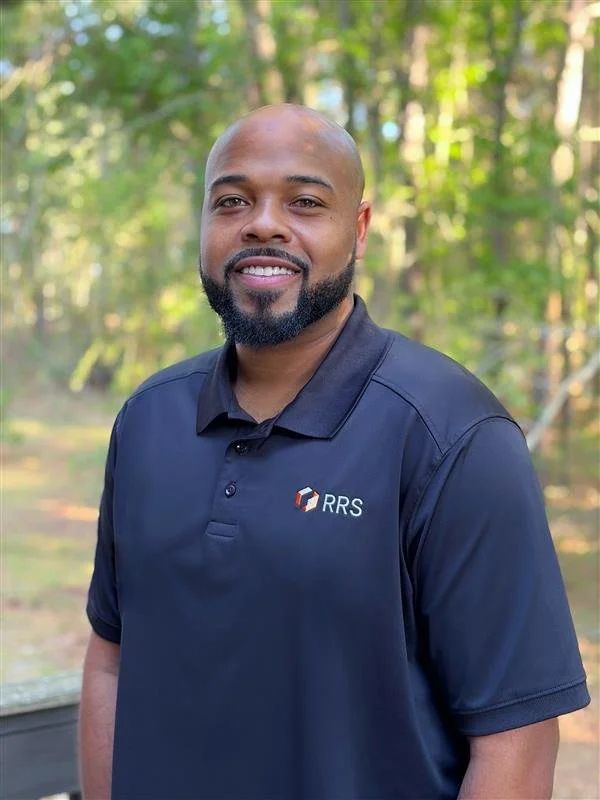
As paper recycling enters its next generation of leadership, RRS associate analyst Marcus Coleman discusses his new role on ReMA's Young Executives Council, his path into the recycling industry, and why building up the next wave of professionals matters right now.
Is your packaging actually sorting correctly at the MRF? RRS uses RFID technology to track tagged packages through real-world sorting systems, giving brands and producers facility-level insights into how their packaging performs.
Today's communities face challenges that extend far beyond waste disposal. From housing and climate goals to infrastructure and economic development, materials management has become a critical tool for building resilience. Explore how forward-thinking communities are moving beyond traditional solid waste planning and using integrated strategies, including construction and demolition material recovery, to create lasting environmental and economic benefits.
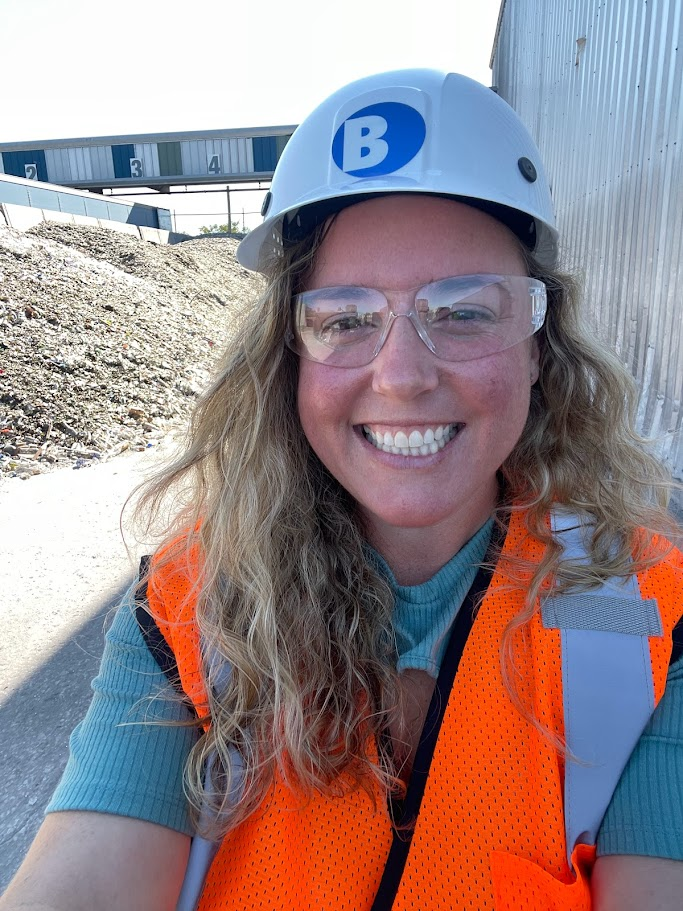
What drives someone to tackle some of the recycling industry's toughest challenges? For Senior Consultant Sara Nichols, it's a combination of curiosity, collaboration, and a commitment to turning plans into action. Recently recognized as a Waste360 2026 40 Under 40 honoree, Sara shares insights from her career, lessons learned through coalition building, and how experiences both in and outside of work continue to shape her approach to solving complex materials management challenges.
RRS Co-CEO Resa Dimino is teaching NERC's Sustainable Materials and Recycling Policy course this fall, bringing over 30 years of hands-on policy experience to a three-session virtual curriculum covering EPR, deposit return systems, and the evolution of U.S. recycling policy.
Explore how food residue impacts food packaging recycling in this upcoming webinar hosted by RRS and the Foodservice Packaging Institute (FPI). Industry experts from across the value chain will discuss contamination, recovery systems, processing technologies, and whether evolving infrastructure is changing the narrative around recyclable food packaging.
On June 3, Melissa Radiwon (MRad), Senior Communications Strategist at RRS, will present as part of the SHAPE Engine Seminar Series, exploring the factors behind this intention-behavior gap and what organizations can do to help close it.
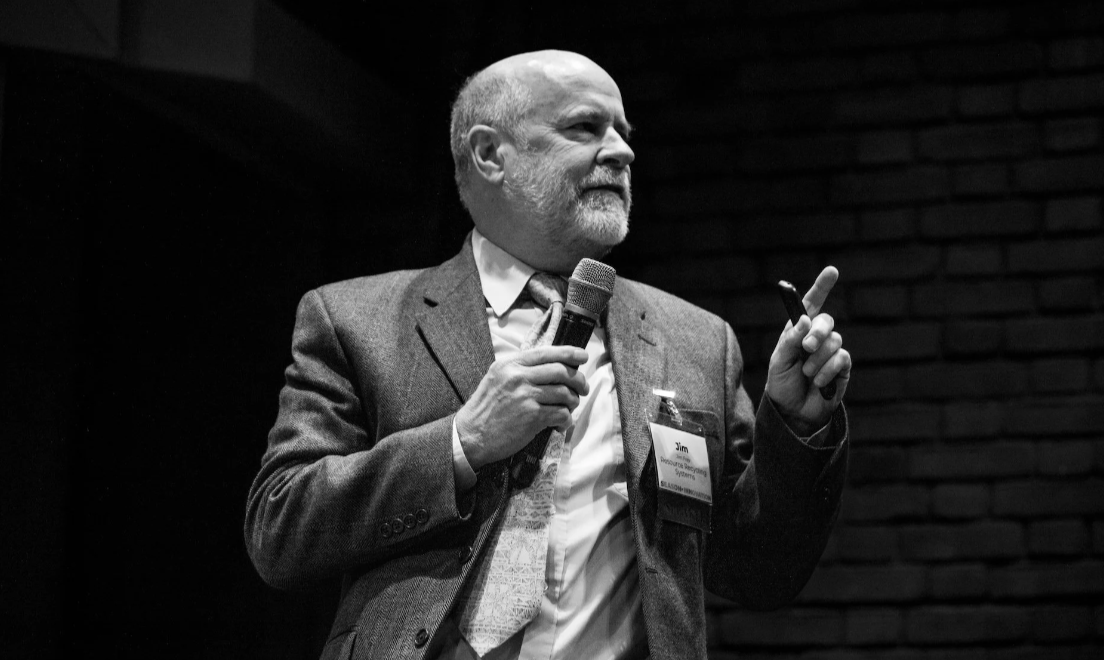
Jim Frey is Co-Founder of Resource Recycling Systems and executive chair of its Board of Directors. Over more than three decades in the field, he has helped shape recycling programs, market development strategies, and systems-level thinking for municipalities, producers, and industry organizations across the country, spanning everything from curbside collection program design to commodity market analysis to producer responsibility policy.
From shifting fiber streams to contamination challenges, the recovered paper industry is navigating a period of significant change. RRS consultant Matt Todd discusses his role within the Paper Stock Industries (PSI) chapter of ReMA and how PSI aligns Material Recovery Facility (MRF) operators, brokers, mills, and other stakeholders.
Watch the recording of RRS and Signalfire’s “Beyond Recycling: EPR Meets Reuse” webinar exploring how reuse systems are being integrated into packaging EPR programs in the U.S. and France.
Effective waste and recycling policy is not just about setting goals. It is about designing requirements that communities can actually execute. From food waste diversion to mandatory commercial recycling, see how thoughtful policy design is driving real progress across the Southeast.
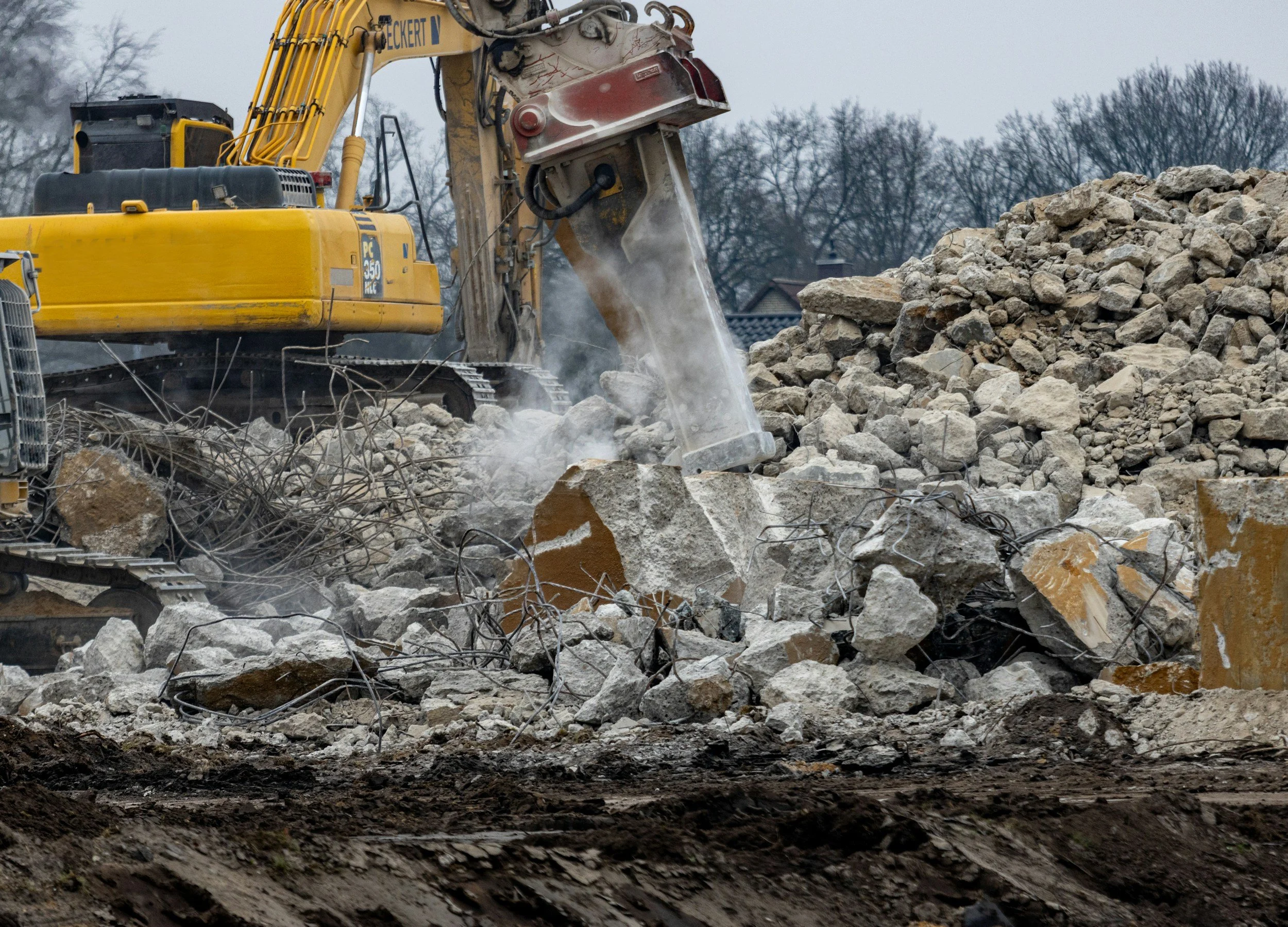
Construction and demolition debris is one of the largest portions of the waste stream in growing communities, and much of it is recoverable. Learn how targeted C&D recycling policies are helping communities across the Southeast turn disposal pressure into a diversion opportunity.
Organics represent one of the greatest opportunities for waste diversion, climate impact, and ESG performance. This article explores how communities can evaluate and implement organics programs, from food rescue to composting to anaerobic digestion, with the technical and market expertise needed to make them work.
Solid waste is often overlooked in sustainability planning, despite being a major opportunity for emissions reduction and measurable impact. This article highlights how RRS helps communities integrate solid waste expertise early in planning to develop practical, fundable strategies that improve diversion, align with climate goals, and drive long-term sustainability outcomes.
As Extended Producer Responsibility (EPR) for packaging expands across the United States, attention is shifting beyond recycling to explore how reuse systems can be integrated into circular economy strategies. This webinar brings together U.S. and international perspectives to examine reuse in EPR policy, including opportunities, infrastructure needs, and challenges for scaling reusable packaging systems.
Learn how states and communities are moving from planning to implementation using SWIFR funding. Featuring leaders from Alabama, Washington State, and Lexington-Fayette Urban County Government, the session explored real-world approaches to building infrastructure, launching programs, and improving system performance while navigating challenges like capacity limitations and federal requirements. Designed for communities, states, and tribes, the discussion offered practical insights on execution, including working with grant officers, developing QAPPs, and addressing provisions such as Build America, Buy America.
EPA’s Solid Waste Infrastructure for Recycling (SWIFR) grants are helping states and communities modernize recycling and materials management systems. Explore how SWIFR-funded projects are advancing circular economy strategies across the U.S., from statewide solid waste plans to recycling system optimization
Resource Recycling Systems (RRS) is entering a new chapter of mission-driven leadership with the appointment of Resa Dimino and Catherine Goodall as co-CEOs, bringing decades of combined expertise in recycling policy, EPR compliance, and circular economy strategy. The transition honors the legacy of co-founder Jim Frey while positioning RRS's employee-owned firm for continued growth and impact across the evolving recycling and materials management industry.
The Polystyrene Recycling Alliance (PSRA), in partnership with Resource Recycling Systems (RRS), released a comprehensive study mapping polystyrene recycling infrastructure across the U.S. and Canada, identifying 126 companies and 169 facilities actively recovering material.
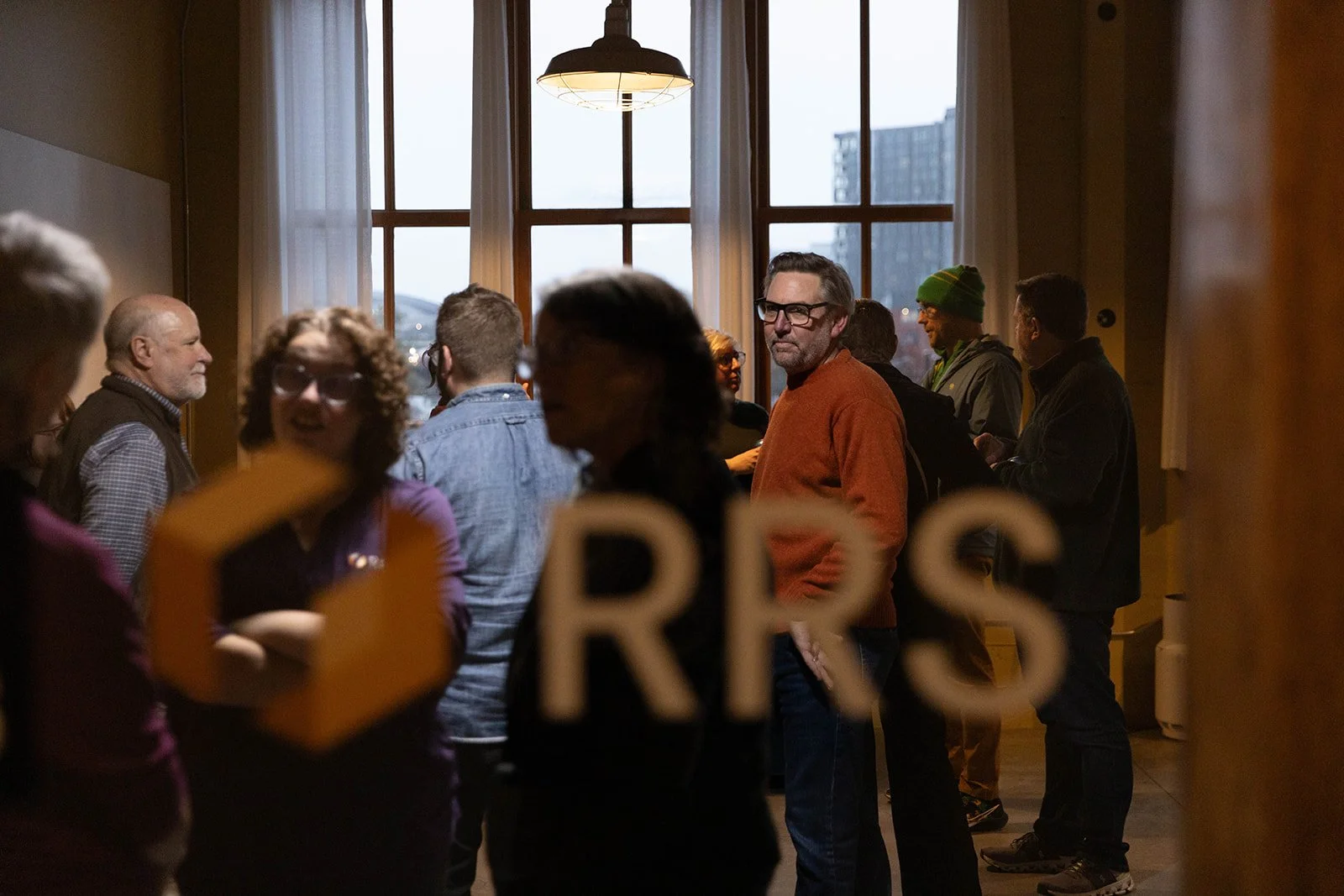
RRS hosted an evening social at the 2026 Resource Recycling Conference, bringing together leaders across recycling and materials management for conversation, collaboration, and connection.
Change Cycle Podcast host Christine Yeager and RRS Senior Consultant Marisa Adler explore why textile waste continues to overwhelm landfills — and what EPR policy reform, smarter trade practices, and cross-sector collaboration can do to fix it. This expert conversation is a must-listen for sustainability professionals, policymakers, and brands looking to build credible, scalable recycling and reuse programs for textiles.
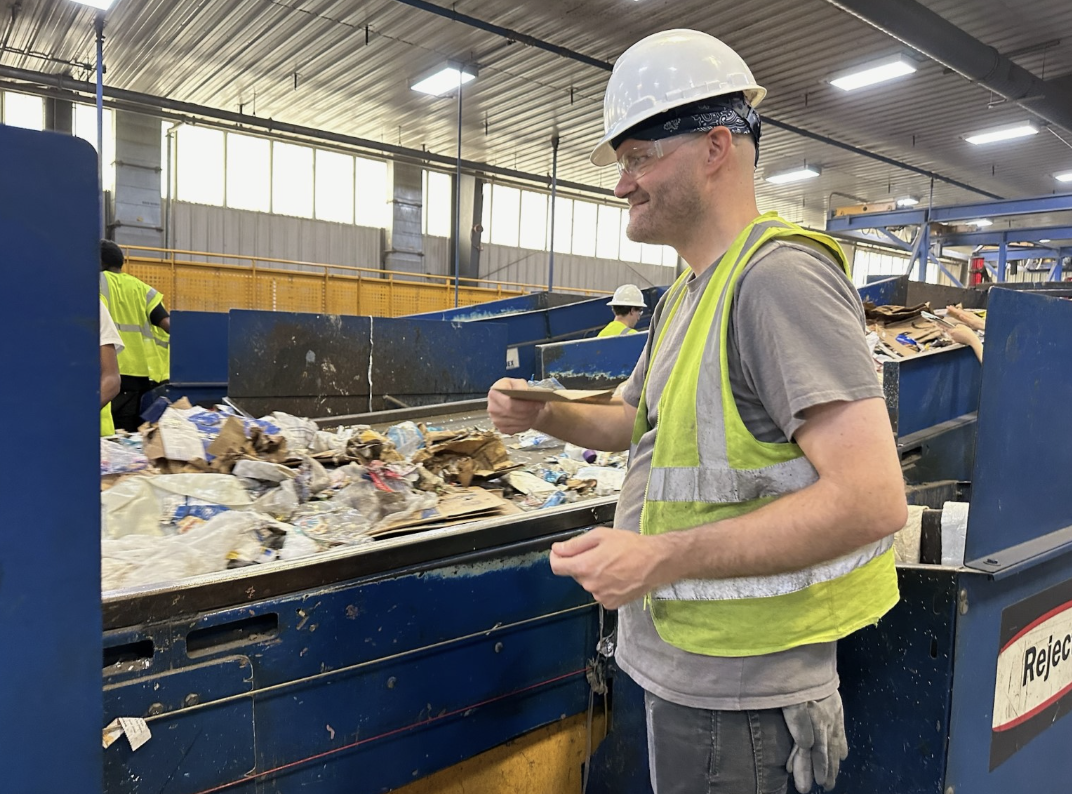
The interior of a modern MRF facility with conveyor belts carrying mixed recyclables, bright overhead lighting illuminating the sorting floor, and industrial equipment in the background.
The Solid Waste Infrastructure for Recycling (SWIFR) grant program is empowering local governments across North Texas to establish and expand cost-effective organics collection and food waste recycling programs. Resource Recycling Systems (RRS) developed a free suite of procurement guides, contract templates, and ordinance resources to help communities build stronger, more sustainable solid waste infrastructure.
Learn why sector leadership and collaboration are critical to advancing building materials reuse, featuring Jackie Kirouac-Fram’s election to the Build Reuse Board.
The City of Colorado Springs has launched the WastelessCOS Waste Diversion Study and Action Plan, setting an ambitious goal of achieving a 37% community-wide waste diversion rate by 2045. With technical support from Resource Recycling Systems (RRS) and funding from the Colorado Circular Communities program, the plan outlines concrete strategies across five key areas to help Colorado Springs build a cleaner, more sustainable future.
California's Responsible Textile Recovery Act (SB 707) is reshaping how apparel and textile producers manage end-of-life products, with key registration deadlines approaching in 2026 and full program enforcement beginning in 2030. Resource Recycling Systems (RRS) is already helping shape the program through its work with the Textile Renewal Alliance, making now the critical time for producers to understand their obligations and prepare for compliance.
Learn how Michigan’s Part 115 MMPs gain structure and enforceability in this webinar featuring legal expertise from Robert Charles Davis and a practical Q&A with RRS Director of Client Services, Anna Lynott.














RRS partnered with the University of Minnesota – Twin Cities to develop its first comprehensive Zero Waste Plan, providing a realistic roadmap to advance from 52% to 90% campus-wide waste diversion. Through systems-based assessment, stakeholder engagement, and phased implementation strategies, the plan turns one of higher education's most ambitious sustainability goals into an actionable, community-driven path forward.