SWIFR Grants in Action

EPA’s Solid Waste Infrastructure for Recycling (SWIFR) Grants Are Strengthening Systems
From statewide planning to infrastructure upgrades and optimization, SWIFR-funded projects are helping governments build resilient recycling systems, improve data and policy frameworks, and unlock long-term circular economy solutions.
The U.S. Environmental Protection Agency’s Solid Waste Infrastructure for Recycling (SWIFR) grant program is creating new momentum for recycling and materials management across the country. Designed to strengthen local recycling infrastructure and improve system performance, SWIFR funding enables states, cities, counties, tribes, and intertribal consortia to better understand their materials systems, close infrastructure gaps, and implement strategies that increase diversion and recovery.
Across the United States, governments are using SWIFR grants to modernize planning frameworks, improve data collection and analysis, evaluate recycling infrastructure, and identify policy pathways that support a circular economy. Several recent projects demonstrate how SWIFR investments are translating into actionable strategies for stronger recycling systems.
Advancing Statewide Solid Waste and Materials Management Planning
In Virginia, the Department of Environmental Quality recently completed its first statewide Solid Waste Management Plan update in more than four decades. The effort evaluated existing regulations, policies, and infrastructure while identifying opportunities to align with EPA’s national goals for recycling and food waste reduction. The analysis included facility mapping, waste composition assessments, and evaluation of collection gaps, policy barriers, and funding needs. The resulting plan provides a framework for improving diversion performance and enabling ongoing updates as technologies and regulations evolve.
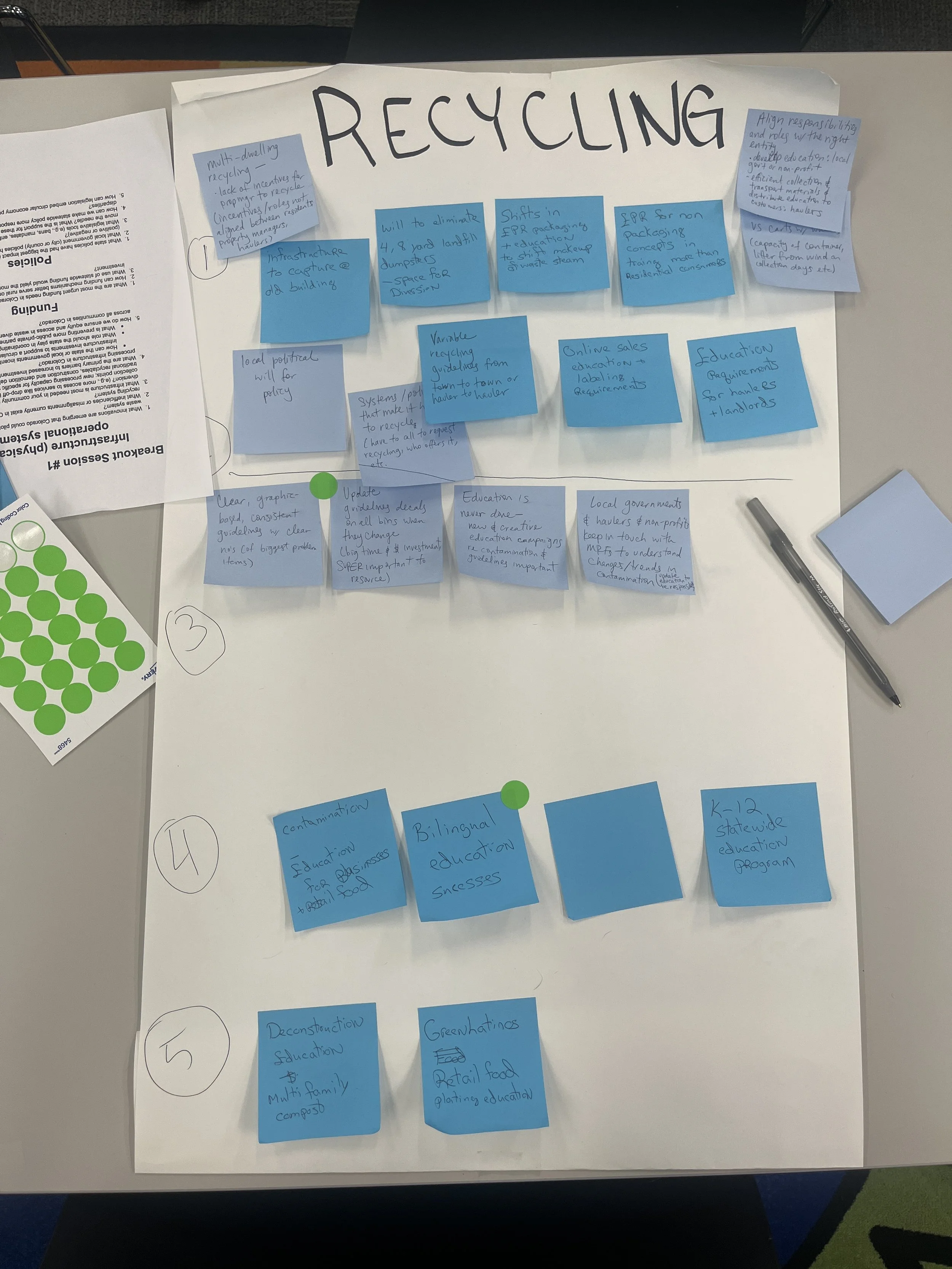
Similarly, Colorado is updating its Integrated Solid Waste and Materials Management Plan with support from SWIFR funding. The project includes a comprehensive analysis of statewide waste generation and diversion trends, infrastructure capacity, and regional disparities. The plan also addresses emerging waste streams, including materials associated with renewable energy development, and provides tools such as disaster debris management templates to help local governments respond to future events.
Many states are using SWIFR funding to modernize solid waste management plans and materials management strategies, ensuring they reflect current technology, policy needs, and circular economy principles.
Evaluating Recycling Infrastructure & System Performance
Another key focus of SWIFR-funded work is assessing recycling infrastructure and identifying opportunities to improve performance and access.
In Alabama, a statewide recycling study is evaluating infrastructure capacity, material flows, and market dynamics to better understand how the state’s recycling system operates today. The work includes extensive data collection, stakeholder engagement, and GIS mapping of recycling assets, including collection programs, drop-off locations, and materials recovery facilities. By benchmarking Alabama’s system against peer states, the study will provide recommendations to expand residential access, strengthen processing capacity, and improve data reporting systems.
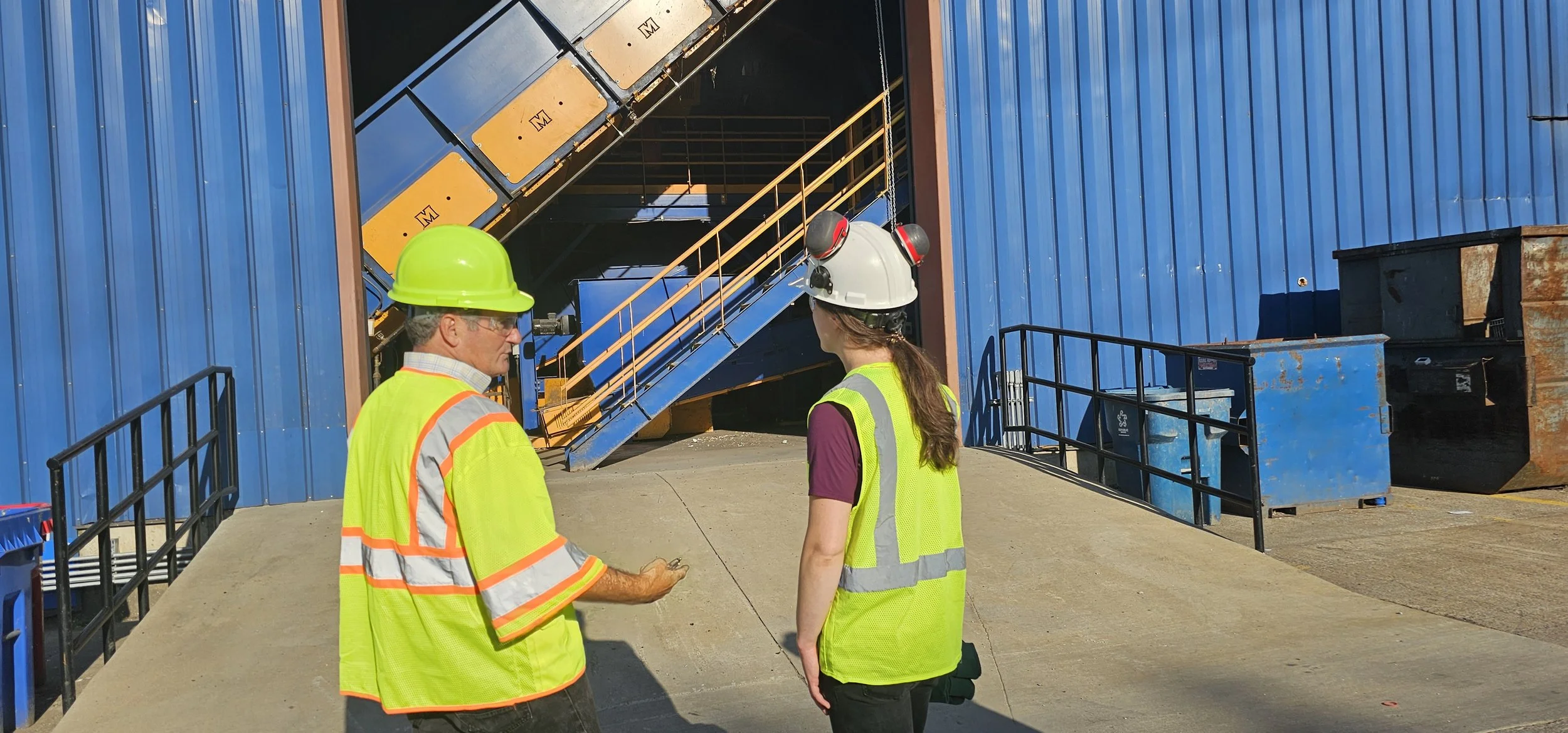
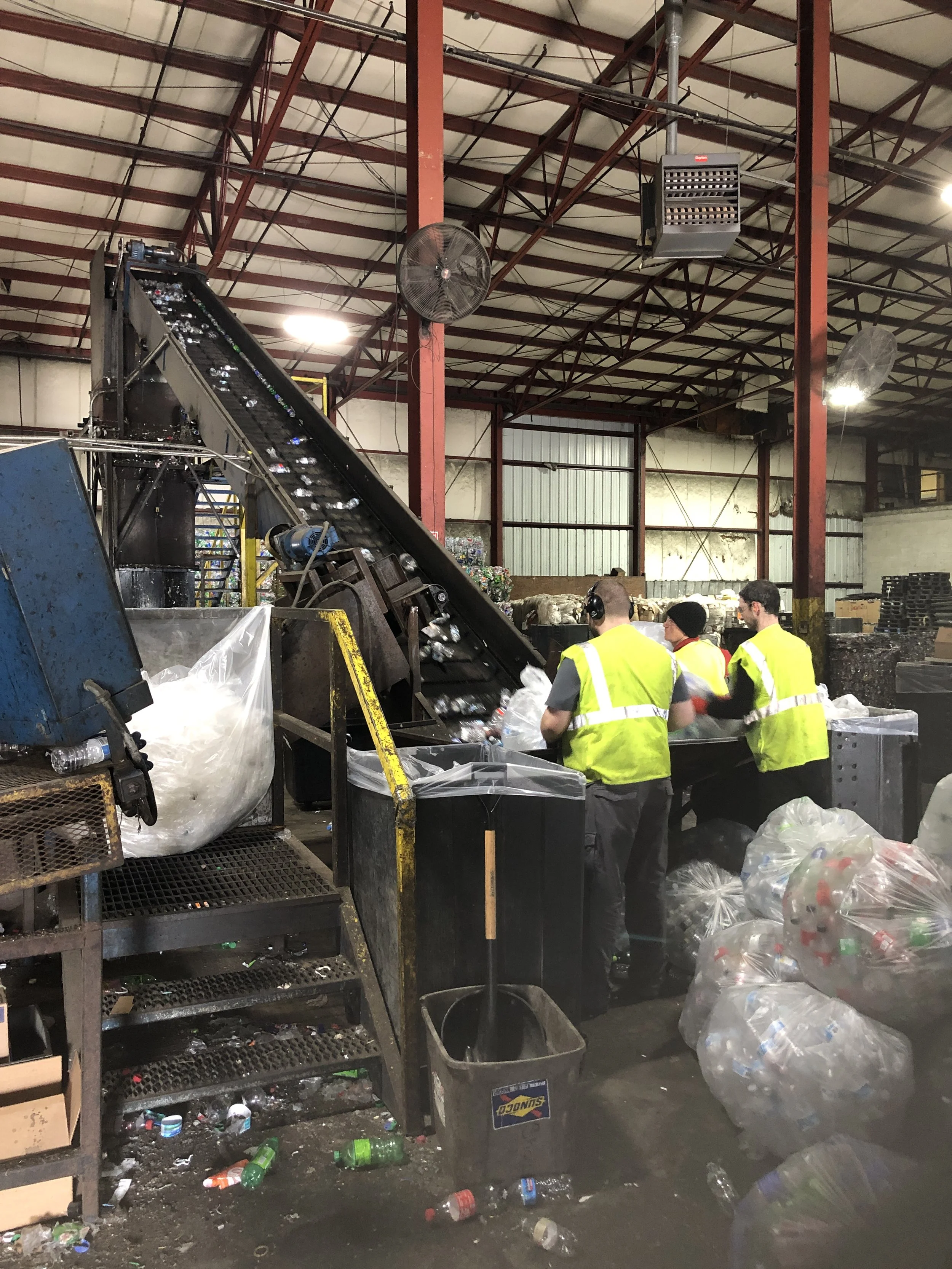
At the local level, the Lexington-Fayette Urban County Government in Kentucky is implementing its SWIFR grant, through new equipment upgrades for its publicly owned MRF to improve the recycling system's performance. The work includes developing EPA-approved work plans, establishing a Quality Assurance Project Plan (QAPP), ensuring compliance with federal requirements such as the Build America Buy America Act (BABA), and conducting feedstock and residue audits to evaluate material composition entering and leaving the local materials recovery facility (MRF). These insights will help optimize facility operations, reduce contamination, and improve recovery rates.
Data-Driven Optimization and Market Development
SWIFR funding is also enabling more detailed analysis of recycling system performance and market opportunities.
In North Carolina, a statewide materials management optimization effort includes waste composition studies,
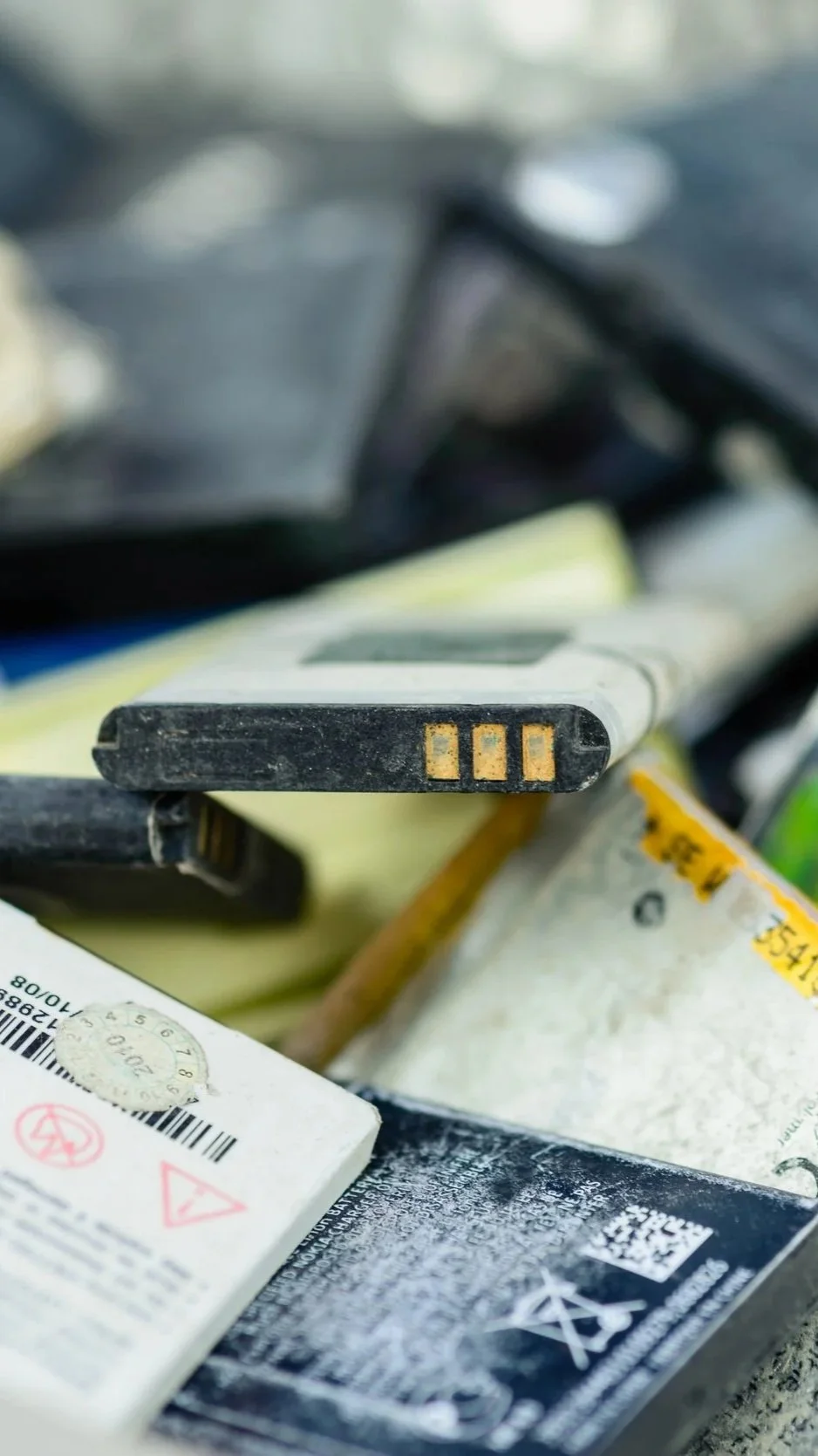
materials recovery facility (MRF) assessments, and market analyses for key material streams, including construction and demolition debris, plastics, and lithium batteries. The work also includes scenario modeling to explore hub-and-spoke infrastructure systems that could expand processing capacity and improve access to recycling, particularly in rural areas.
Meanwhile, Vermont is using advanced modeling to evaluate improvements to its beverage container redemption system. The analysis examined multiple policy scenarios, including producer-managed deposit systems and expanded container coverage, assessing environmental outcomes, system costs, and recovery performance. These insights are helping inform legislative discussions around improving the state’s bottle bill system.
Addressing Specific Waste Challenges
Some SWIFR-supported initiatives focus on targeted materials challenges that require specialized strategies.
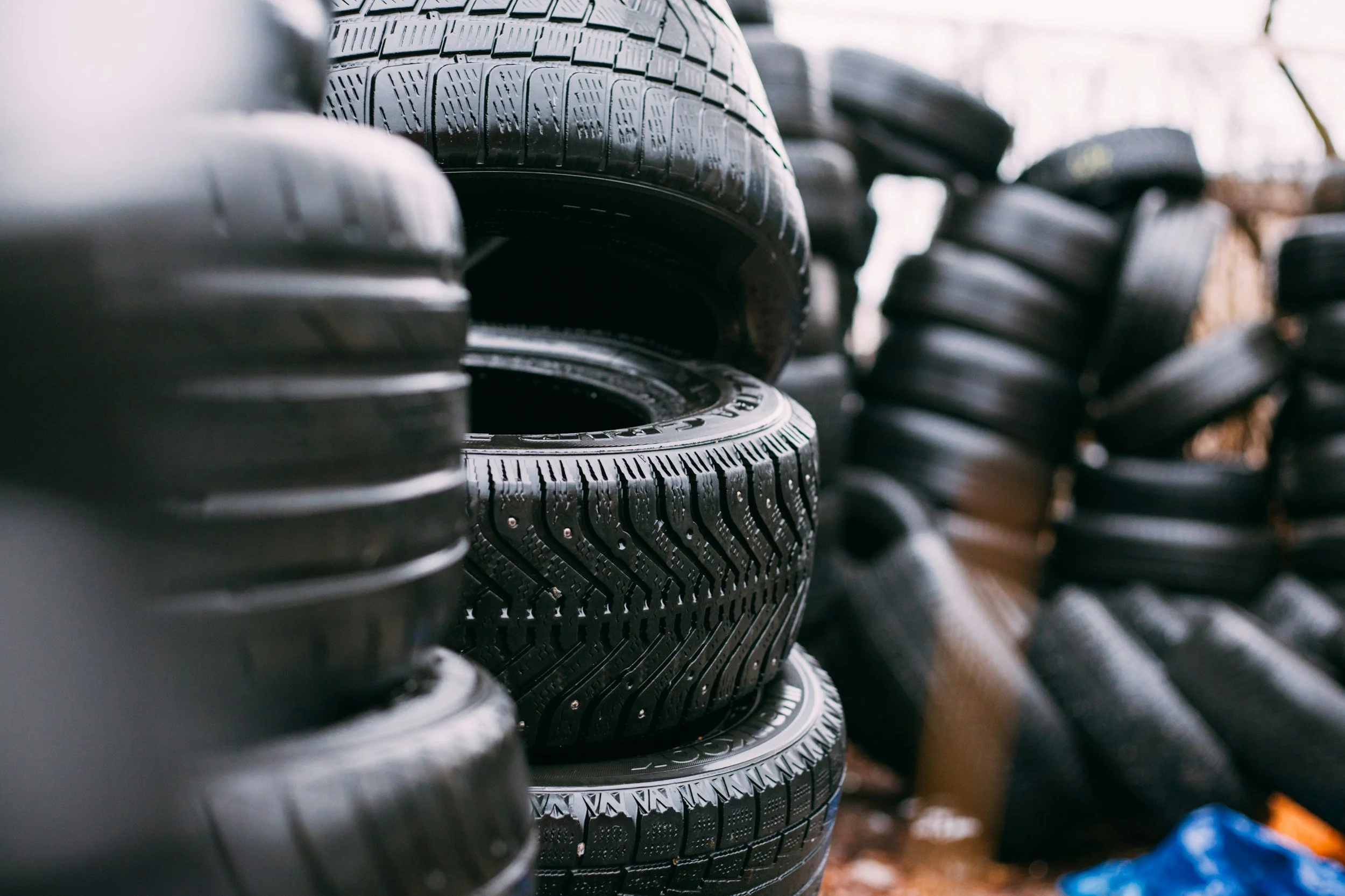
In Wyoming, a statewide assessment of scrap tire management identified illegal tire piles and evaluated options for a comprehensive recycling and management program. The project developed an inventory of existing tire piles, estimated future tire generation, and proposed cleanup strategies, along with policy and reporting system recommendations to prevent future accumulation.
These targeted analyses help states address persistent materials management issues while building the data and policy frameworks necessary for long-term program success.
Building Circular Economy Innovation
SWIFR funding is also supporting programs designed to accelerate innovation and market development for circular materials systems.
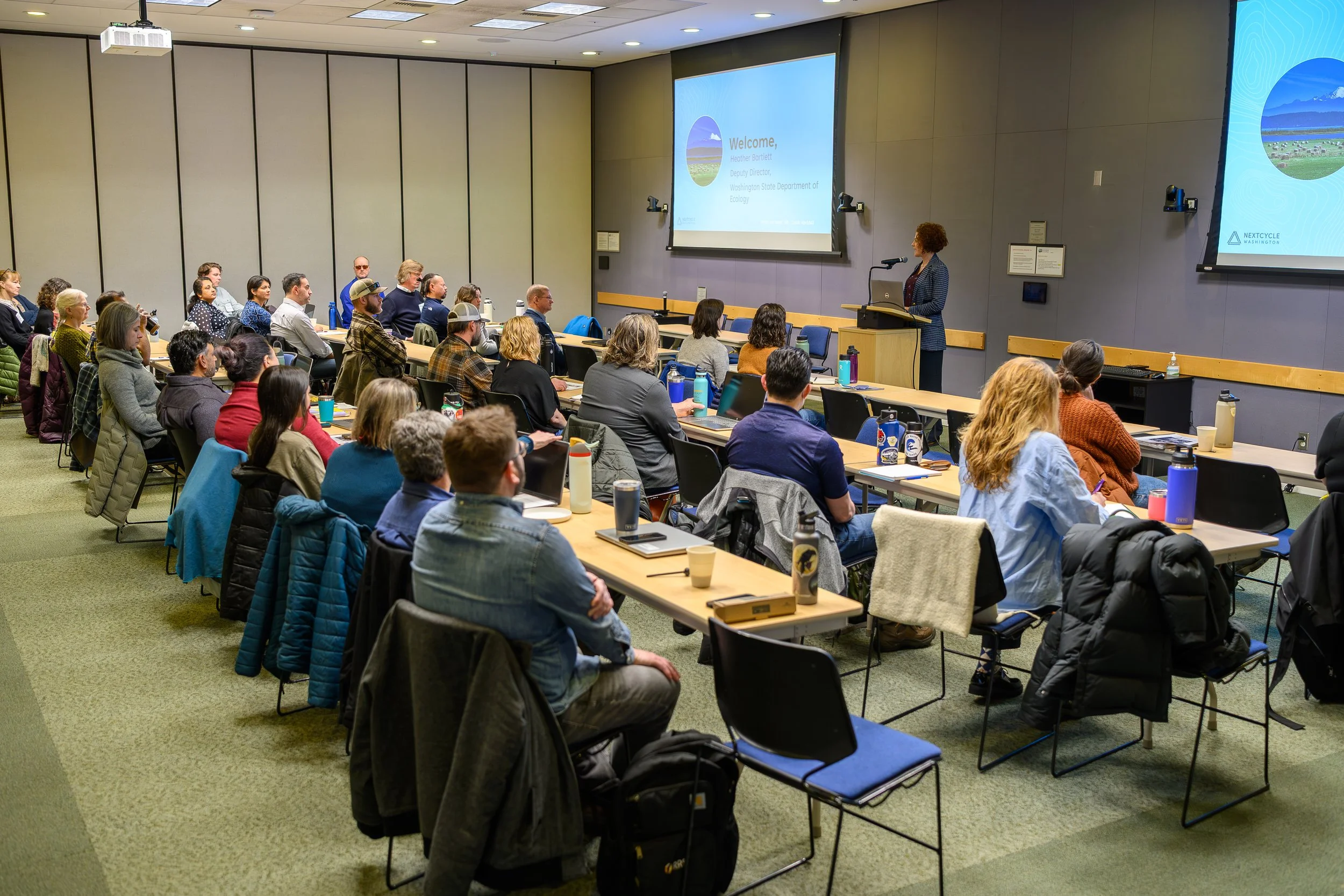
One example is NextCycle Washington, a statewide accelerator program that supports businesses, nonprofits, and local governments working on waste prevention, material reuse, recycling, composting, and end-market development. Originally launched through a partnership with King County, the program expanded statewide with support from SWIFR funding through the Washington Department of Ecology.
Through technical assistance, business planning support, and investment readiness development, the program helps promising circular economy solutions move from concept to implementation. The initiative has supported dozens of organizations and demonstrates how federal funding can catalyze innovative approaches that continue beyond the grant's life.
A National Opportunity to Modernize Recycling Systems
Taken together, these efforts highlight the broad impact of the SWIFR grant program. By supporting planning, infrastructure evaluation, data collection, and innovation programs, SWIFR funding is enabling governments to take a more strategic and data-driven approach to materials management.
As states and communities implement these initiatives, the lessons learned will help shape future investments and policies to improve the performance of recycling systems nationwide.
In the coming months, we will highlight several of these initiatives in greater detail, showcasing how SWIFR-funded projects are helping communities build stronger, more resilient materials management systems.