
What does it really mean for a material to be recyclable?
It sounds like a straightforward question, but anyone working within today’s recycling system knows the answer is more complicated than whether a material can technically be recycled or whether residents can place it in a curbside bin.
Real-world recyclability depends on an interconnected system: collection, sortation, processing, markets, infrastructure, economics, and participation all have a role to play. And importantly, that system can be improved.
- Collection
- Sortation
- Processing
- Markets
- Infrastructure
- Economics
- Participation
15+years of work to strengthen carton recycling
Jordan Fengel, President of the Carton Council, brings a perspective informed by more than 15 years of work to strengthen carton recycling, work RRS has supported as a partner to the Carton Council.
Recyclability Is a Journey
There is good reason for the recycling industry to demand rigor when determining whether something is recyclable. Collection alone isn't enough. For recycling to work, materials must move successfully through the system: they need to be collected, effectively sorted into a marketable stream, and ultimately purchased and processed by an end market.
But today's recycling system shouldn't necessarily define the limits of tomorrow's. Cartons offer a helpful example.
When the Carton Council was formed in 2009, carton recycling looked very different from what it does today. With 18% household access in the U.S. at the time, some cartons were being recycled, but the ability for them to enter the recovery stream was limited, as were end markets that actively purchased cartons. Rather than accepting existing infrastructure and market limitations as permanent, the Carton Council worked alongside communities, material recovery facilities (MRFs), recyclers, and other partners to expand the system.
Household access threshold per the FTC Guidelines
That long-term effort has included investments in sorting technology, recycling markets, community programs, education, and partnerships throughout the recycling value chain. The Carton Council reports investing more than $20 million over the past 15+ years in sortation equipment, established and emerging domestic end markets, and community education. By 2017, cartons hit the 60% household access threshold required to be considered “widely recyclable” as per the FTC Guidelines, an important milestone that led to continued growth and partnerships.
Their results demonstrate why recyclability should be viewed not only as a snapshot of today's system, but also through the lens of what sustained investment can accomplish.
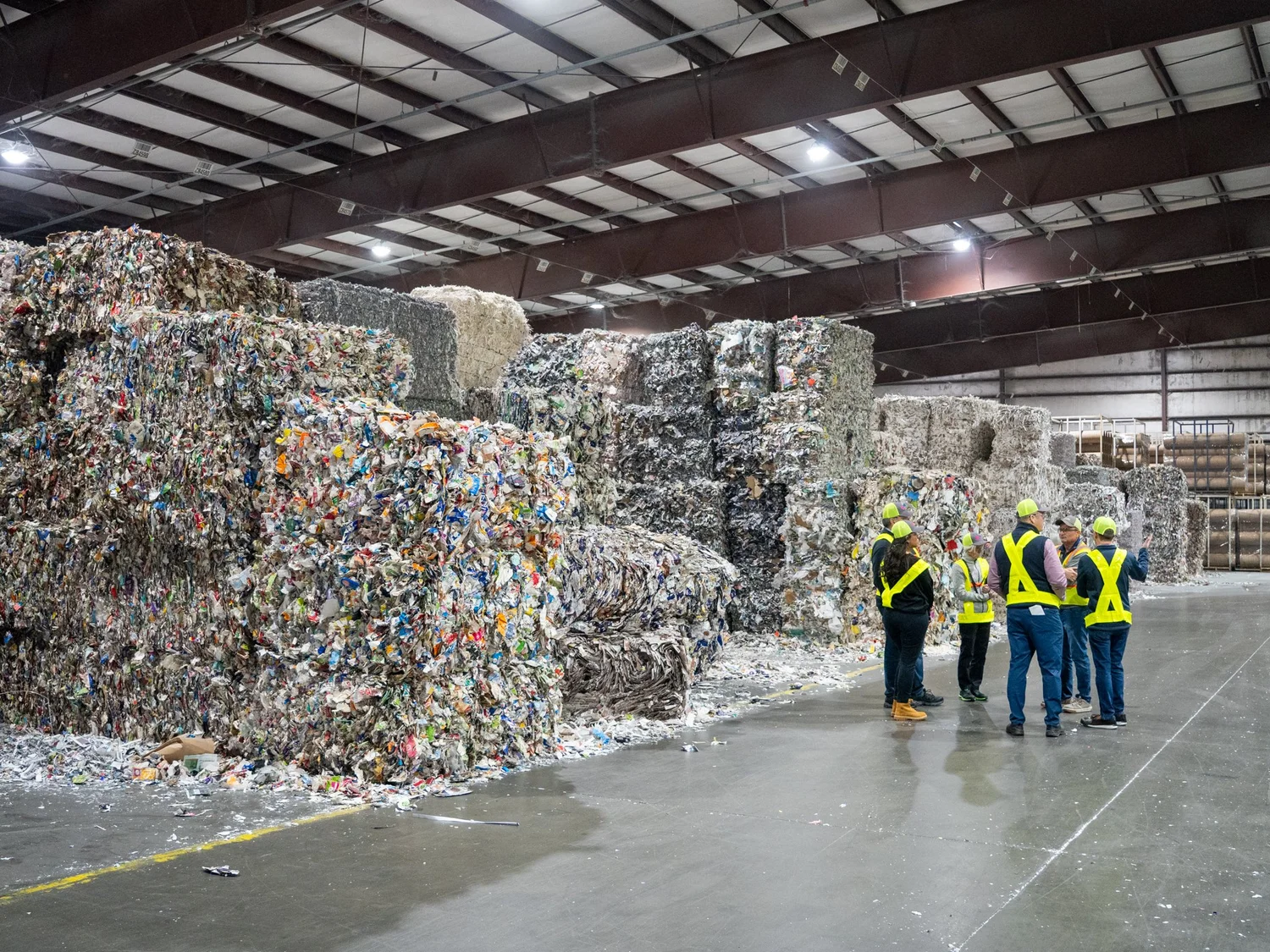
Recyclability is a snapshot and a trajectory.
California Offers a Timely Example
That evolution is particularly relevant in California. In June 2026, CalRecycle updated its findings related to SB 343 after reviewing information about new carton sortation at California MRFs. The update found that facilities sorting cartons for recycling now serve 62% of California counties, exceeding the statewide sortation threshold used to determine whether packaging can carry recyclable labeling under the law.
of California counties are now served by facilities sorting cartons for recycling
California MRFs now sorting cartons into Grade 52 carton bales
Statewide sortation threshold exceeded, the benchmark used to determine whether packaging can carry recyclable labeling under SB 343
Three newly verified facilities contributed to that change, sorting cartons into Grade 52 carton bales and expanding the infrastructure available to recover the material. The update didn't happen simply because cartons were technically capable of being recycled; it reflects continued work across the system using investment, collaboration, data collection, market development, and operational change.
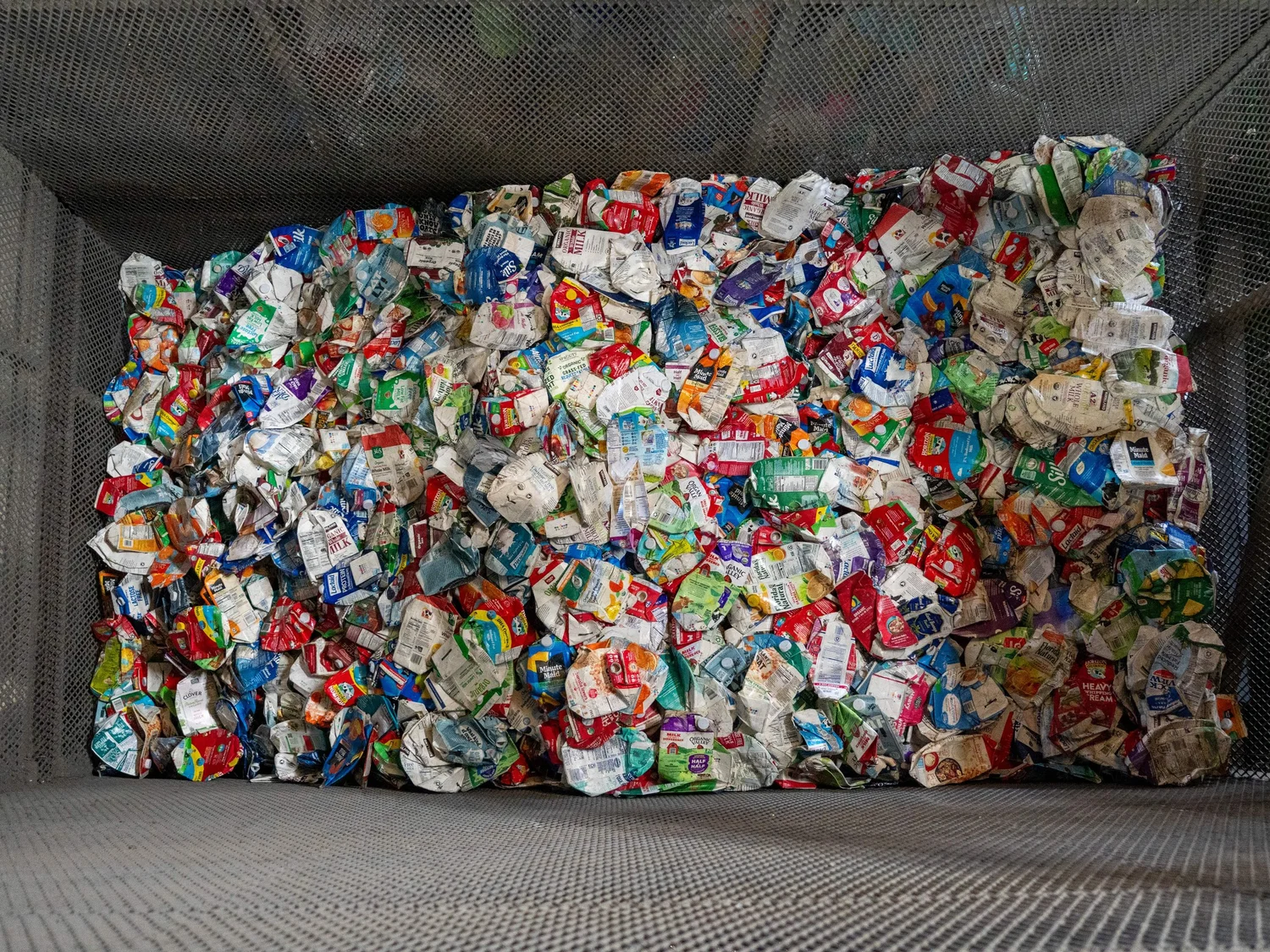
Progress shows up in the bale.
Looking at the Whole Recycling System
At RRS, our work with clients including the Carton Council reinforces the importance of taking a systems-level view of recycling.
RRS Senior Consultant SK Kleemann brings that perspective to our work at RRS, helping examine the connections between materials, infrastructure, operations, markets, and the real-world conditions that determine whether recycling systems succeed.
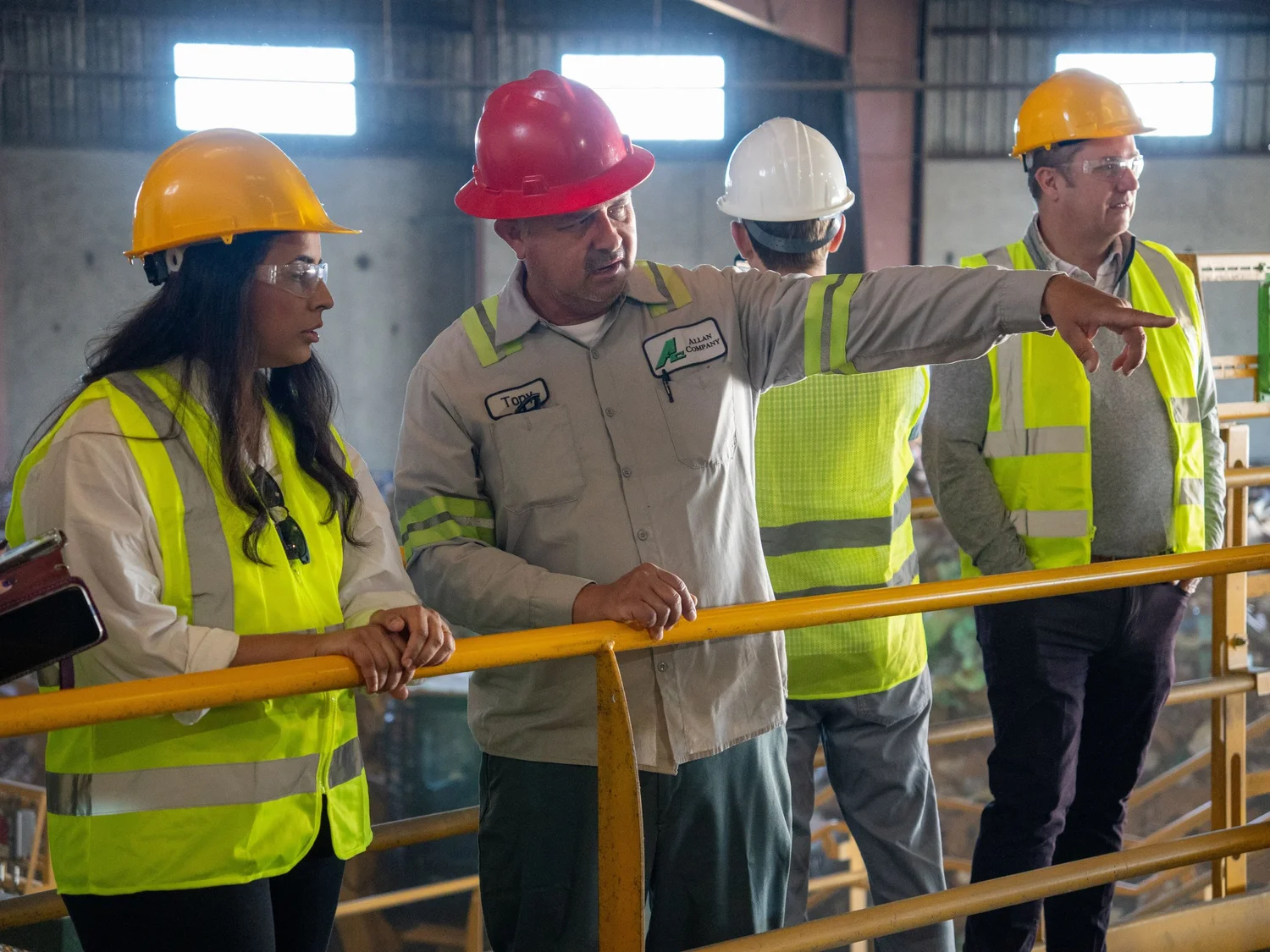
The question isn't just, “can this material be recycled?”
We also need to ask:
- Is it being collected?
- Can MRFs effectively identify and sort it?
- Can it be aggregated into a marketable stream?
- Is there sufficient end-market demand and processing capacity?
And, once existing conditions are objectively quantified, we can then address:
- What investments or partnerships could address existing gaps?
- And what evidence demonstrates when those investments have successfully changed real-world recyclability?
Those questions create room for both rigor and progress. Standards help ensure that recycling claims reflect what is actually happening in the system and maintain public trust. At the same time, identifying today's infrastructure gaps can help the industry determine where investment, innovation, and collaboration can create a better system tomorrow.
Building What's Next
The recycling system has never been static. Over the course of many recycling professionals' careers, collection programs have expanded, sorting technology has advanced, markets have emerged, specifications have changed, and materials that exist outside of traditional recovery streams have found new pathways.
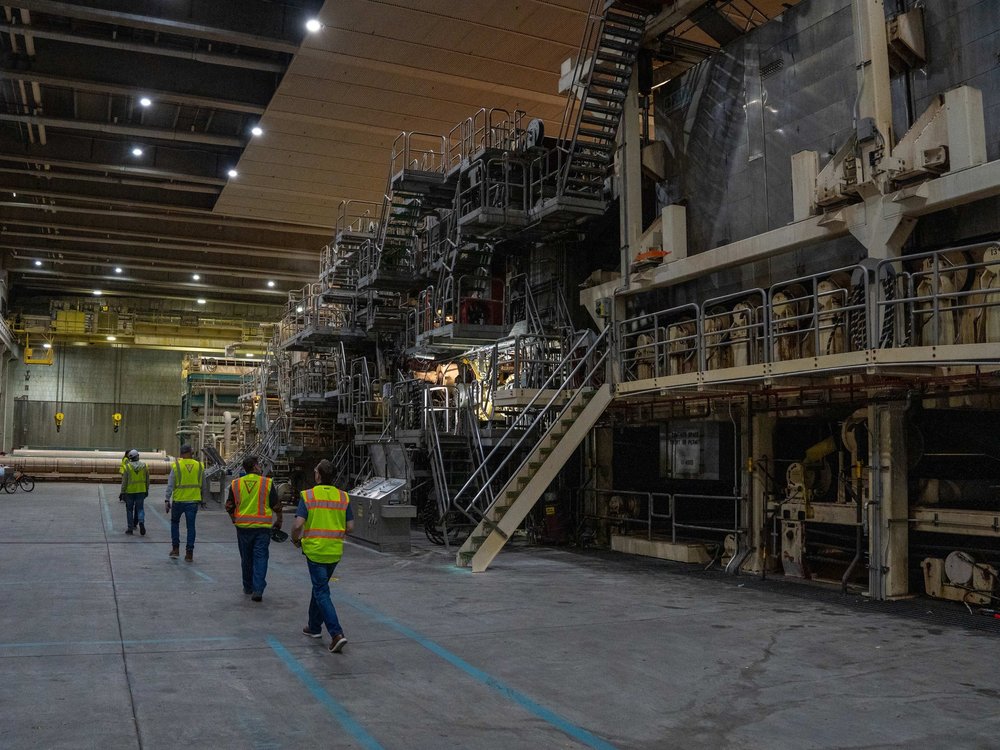
The Carton Council's experience illustrates what's possible when organizations take a long-term approach to system change, prioritizing progress over appearances.
Rather than treating infrastructure limitations as the final word, the Carton Council has worked with partners across the recycling value chain to address those limitations, while continuing to demonstrate and measure what happens to cartons in the real world.
As the recycling industry considers the next generation of materials, policies, and infrastructure investments, that experience offers an important lesson: we need rigorous standards for what is recyclable today, alongside pathways for investing in what can become recyclable at scale tomorrow.
Interested in learning more about food and beverage carton recycling? The Carton Council is online at recyclecartons.com and available to answer questions at info@recyclecartons.com.
Connect with RRS to learn how our coalition services can help move your materials management goals forward.
Contact Us