
New York Needs Assessment
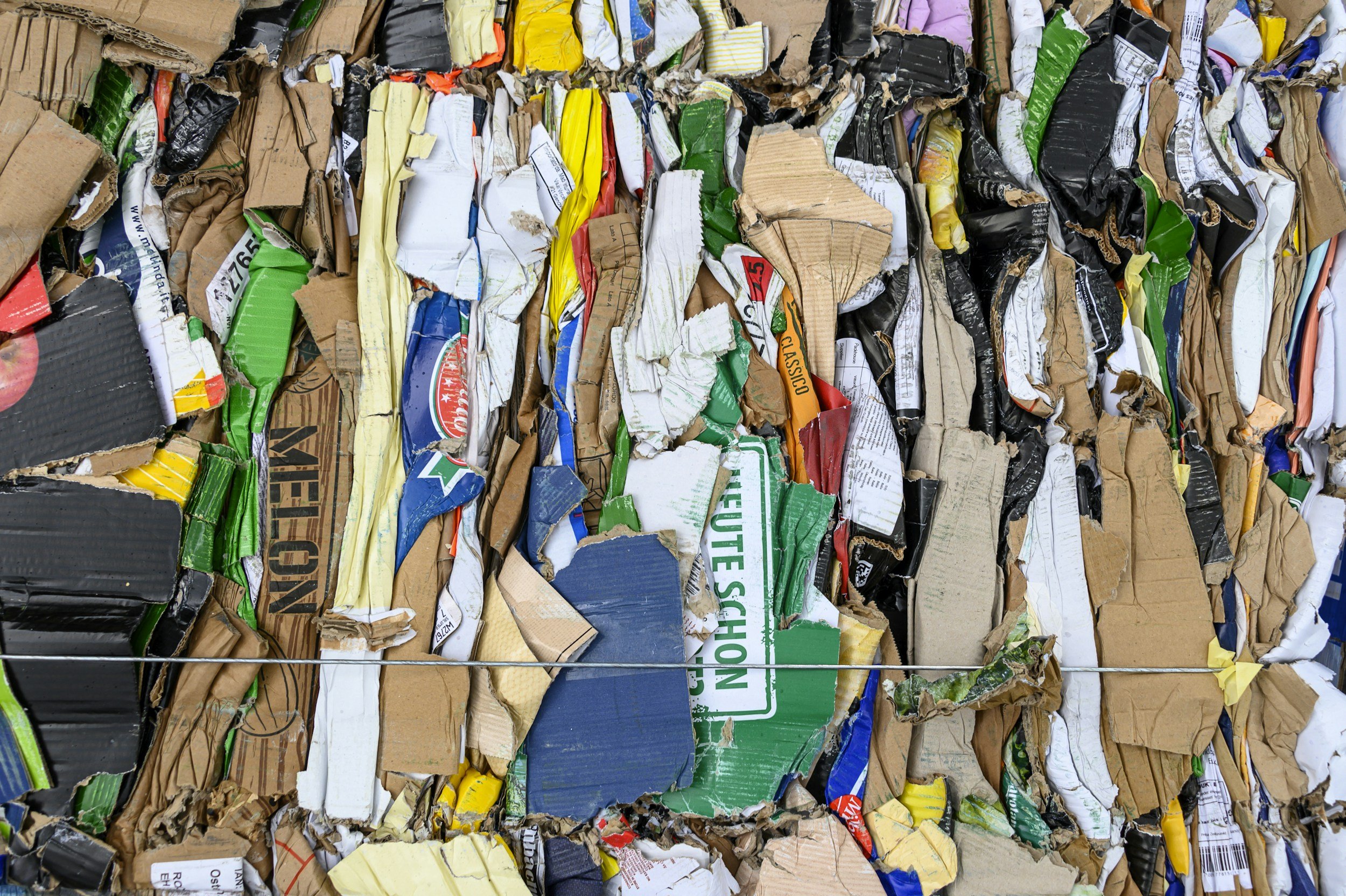

New Report Charts a Path to Stronger Recycling in New York State
The Center for Sustainable Materials Management (CSMM) has released Current Recycling Systems in NYS: Residential, Commercial and Facilities Analysis
The report is the most comprehensive view yet of New York’s recycling infrastructure. Driven by CSMM and supported by RRS, the report was informed by statewide data collection, surveys, interviews, and facility assessments. The report provides decision-ready insights for local governments, state agencies, and private-sector partners working to improve recycling outcomes across the state.
RRS is proud to support CSMM as a technical partner on this effort, helping collect, synthesize, and present the data that underpins these findings while keeping the focus on CSMM’s leadership and the needs of New Yorkers.
What the Report Finds
Strong Access: Nearly all households in New York, 97%, have recycling services available. 87% of multi-family households have recycling services available; however, that number drops significantly when NYC is excluded, with only 48% of multifamily households having recycling services available outside of NYC.
A Large and Expensive System: New Yorkers pay an estimated $12–$16 per month ($144–$192 annually) for recycling services, totaling approximately $788 million per year statewide.
Lagging Performance: Only 30% of packaging and paper products are being recycled, even though programs exist to capture 76% of these materials. The overall statewide recycling rate is about 15%.
Underfunded Education: Municipalities invest on average $1.12 per household in recycling education, well below the recommended $10 per household.
“This is the first time we’ve had a clear, data-driven picture of who has access to recycling services, what it costs, and how local systems compare. Recycling is critical infrastructure, just like roads or broadband. This report provides the tools and information local and state leaders need to improve recycling systems and meet our state’s climate and equity goals.”
— Kathryn Walker, Executive Director of CSMM
Why This Matters Now
The findings align with New York State’s Solid Waste Management Plan, Building the Circular Economy, and will inform the forthcoming 2026 Needs Assessment deliverable.
Together, these efforts create a practical roadmap to:
Expand equitable access and participation
Improve data systems that support local programs
Strengthen end markets and processing capacity
Advance climate resilience and environmental justice

“A sound base of data is critical to good decision-making. We hope this work provides policymakers and program managers with a strong foundation on which to build a world-class recycling system in New York."
- Resa Dimino, RRS Managing Principal
How We Approached the Work
CSMM led a statewide, multi-method effort to understand how materials move across New York’s recycling system today and where improvements will have the greatest impact. RRS supported CSMM with:
Planning unit interviews and surveys covering residential and commercial programs
Facility visits and interviews across the state
Regulatory review and synthesis of local laws and funding sources
Cost and service analysis including access, participation, and contamination
Education and outreach benchmarking against best-practice investment levels
The result is a clear picture of what is working, what is missing, and which actions will move the needle fastest.
Explore the Full Materials
Executive Summary: overview of methods, findings, and actions
Full Report: Current Recycling Systems in NYS: Residential, Commercial and Facilities Analysis
Planning Unit Summaries: localized profiles for quick reference
Join the Phase 2 Findings Overview and Q&A Webinar
Join the RRS team for a high-level overview of the findings within Phase 2 of the Needs Assessment report. The research covers residential recycling, material acceptance, participation and contamination, costs and funding, commercial recycling, education and outreach, local laws, and processing facilities. We will review the executive summary, section findings, planning unit profiles and a look at the next phase of the research. After the presentation, there will be time for questions and discussion around the research.
Date: December 9, 2025
Time: 10:00–11:00 a.m. ET
Format: Zoom webinar with presentation and open Q&A