
RFID Flow Testing: Understanding Packaging Movement Through a MRF
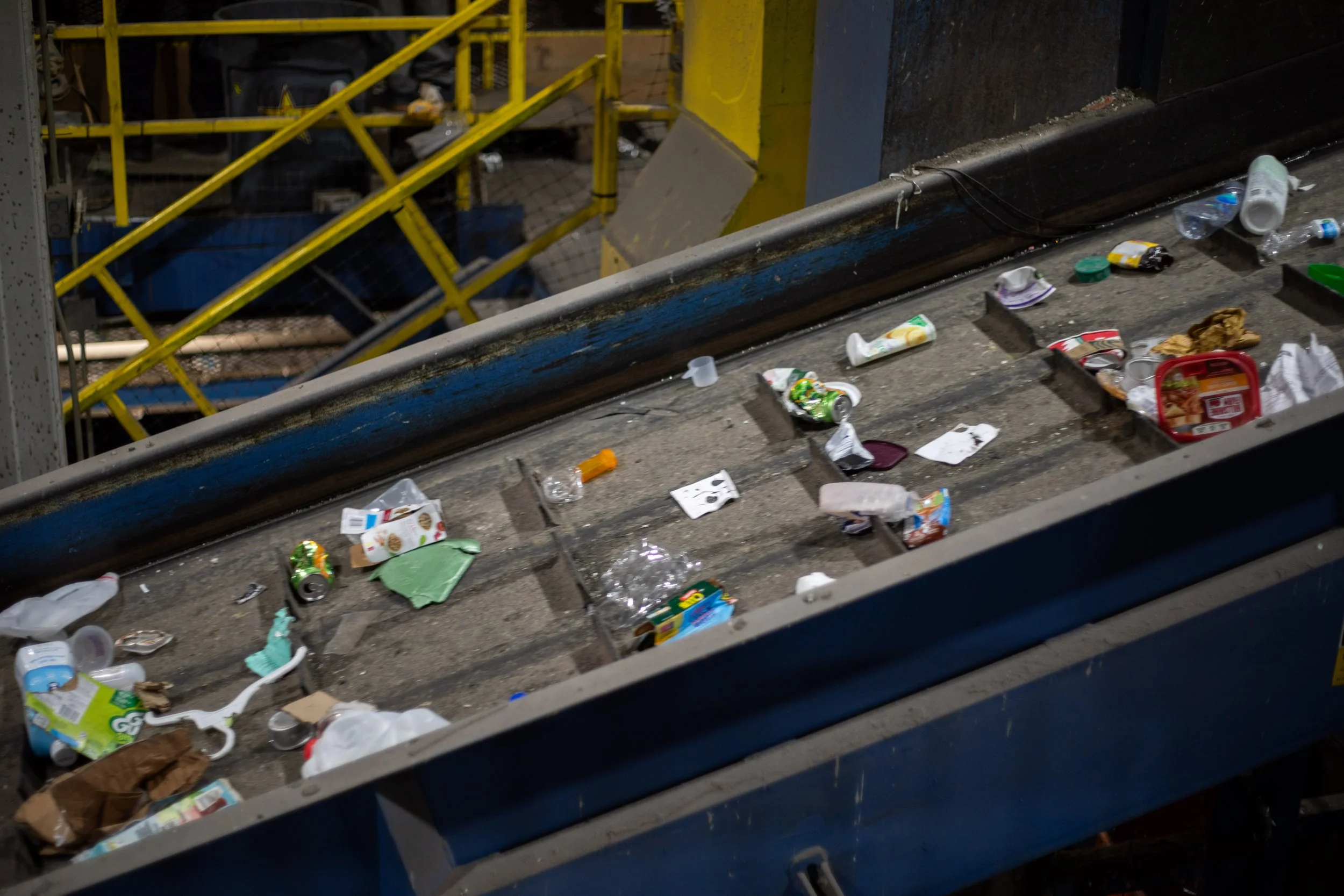
What Really Happens to Your Packaging After It's Collected for Recycling?
Understand how your packaging moves through a materials recovery facility (MRF) and gain real-world insights into its sortation performance.
Your product packaging may be labeled recyclable, but does it consistently sort into the intended commodity stream? What happens to a paper cup, PET bottle, or aluminum can once it enters a materials recovery facility (MRF)?
Using radio frequency identification (RFID) technology, RRS tracks tagged packages throughout the sorting process to determine which commodity bunkers they enter and, ultimately, which bales they become part of. The results provide facility-level insights into how packaging performs in real-world sorting systems, helping producers, brands, and other stakeholders better understand sortation outcomes under actual operating conditions.
Learn more about our RFID testing process below, or click the button below to contact our team to start designing a testing plan tailored to your packaging and research objectives.
EPR's Impact on Recyclability and Sortation
As extended producer responsibility (EPR) legislation places greater accountability on packaging producers, more producers are starting to ask an important question: Is my package actually getting recycled?While RFID testing does not provide a complete picture, it offers valuable insight into the sorting pathways a package follows through a MRF before reaching a recycling end market.
RFID Testing, Explained
Part 1:
The RFID Tags
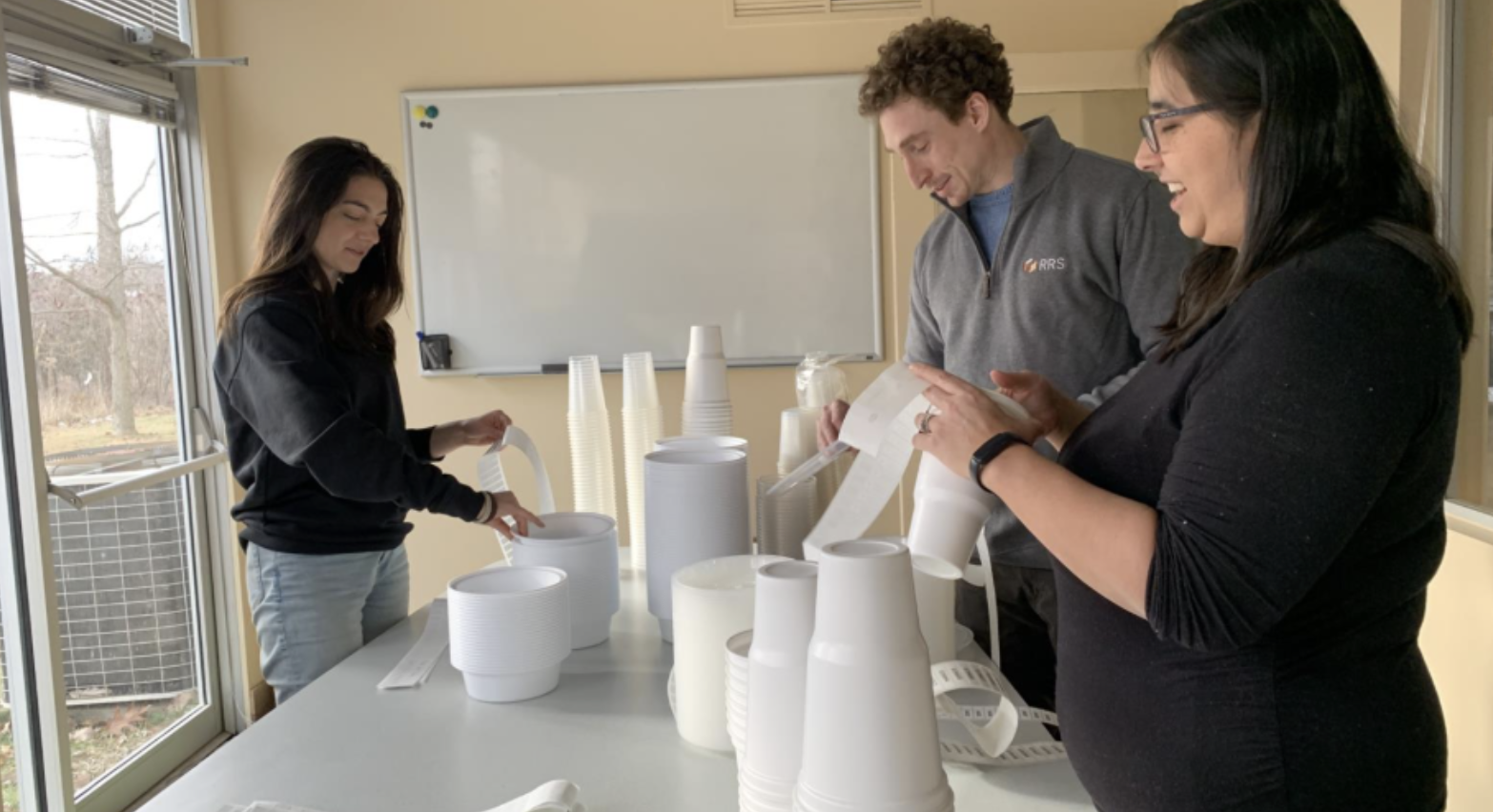
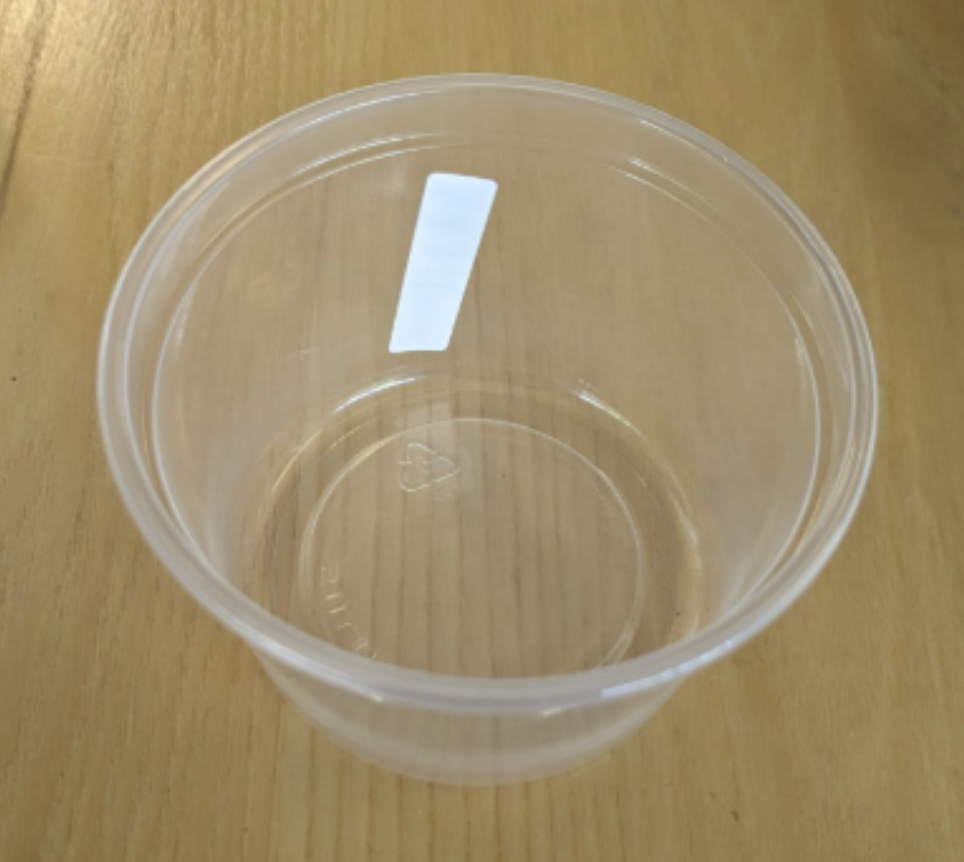
Companies interested in testing their packaging send representative package formats to our team for testing. This includes "tagging" that package with an RFID tag seen here.
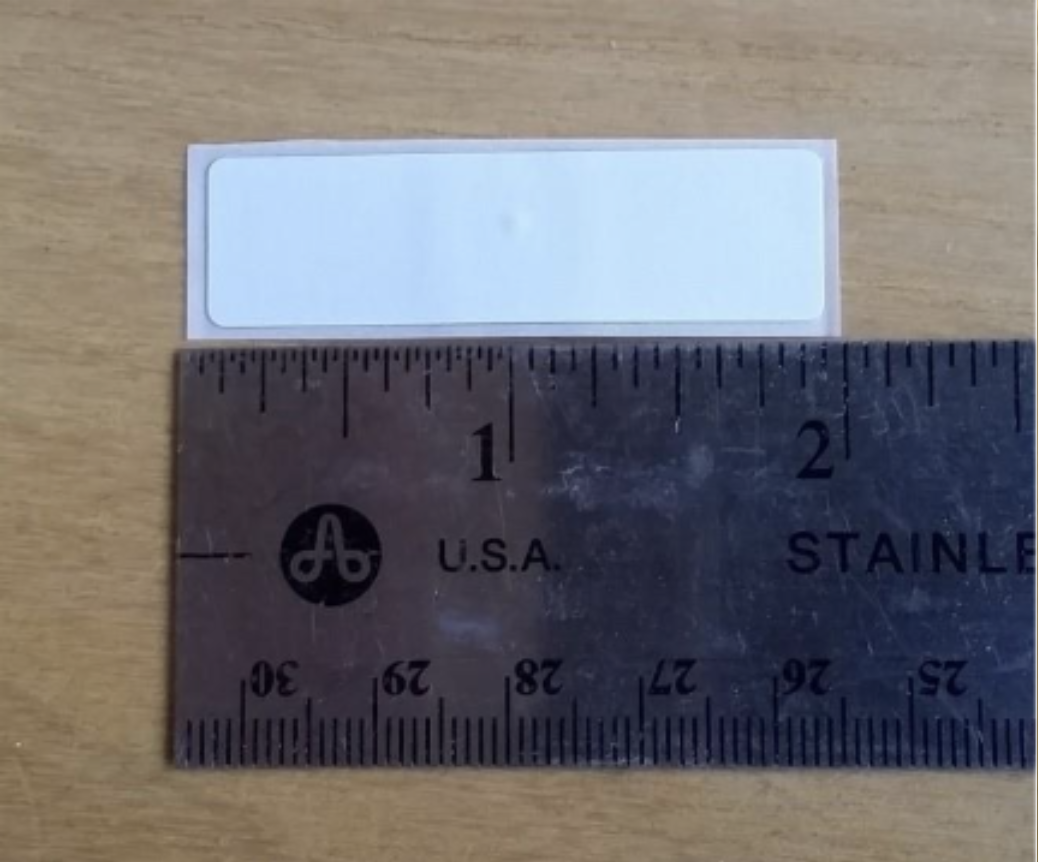
Each RFID tag has a unique ID to allow for individual package tracking.
RFID tags are small and lightweight, minimizing any impact on package performance during testing. Depending on the condition and shape of the testing packaging, the formats are sometimes crushed to simulate collection in a compaction truck.
Part 2:
Start Your RFID Testing Project
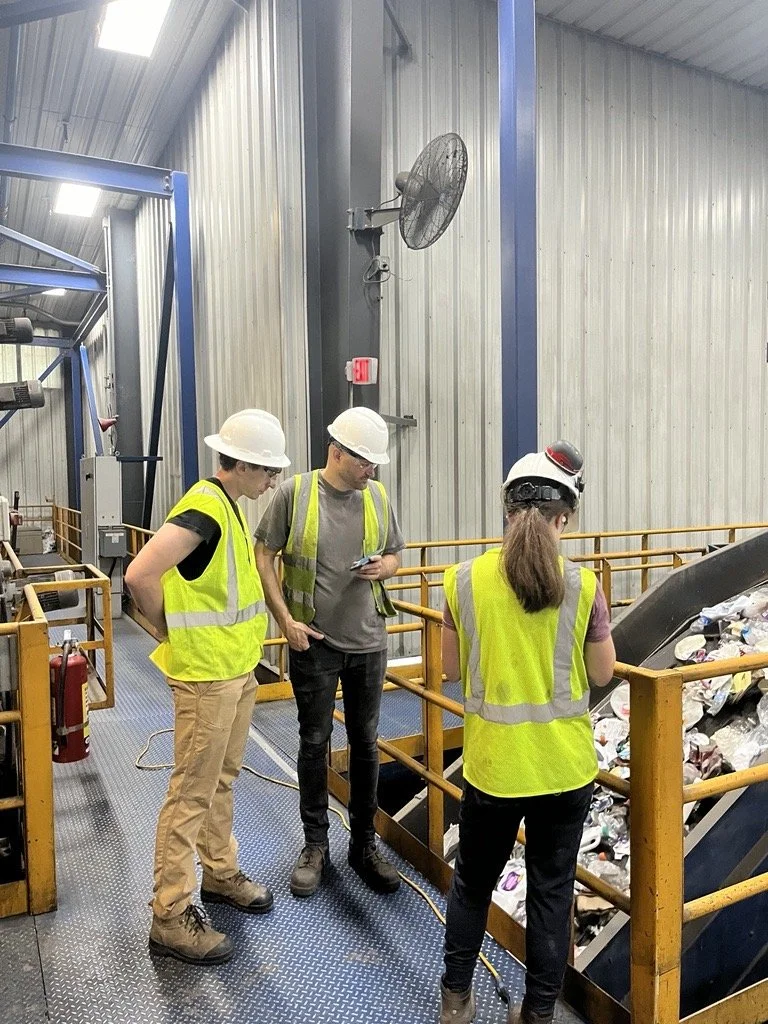
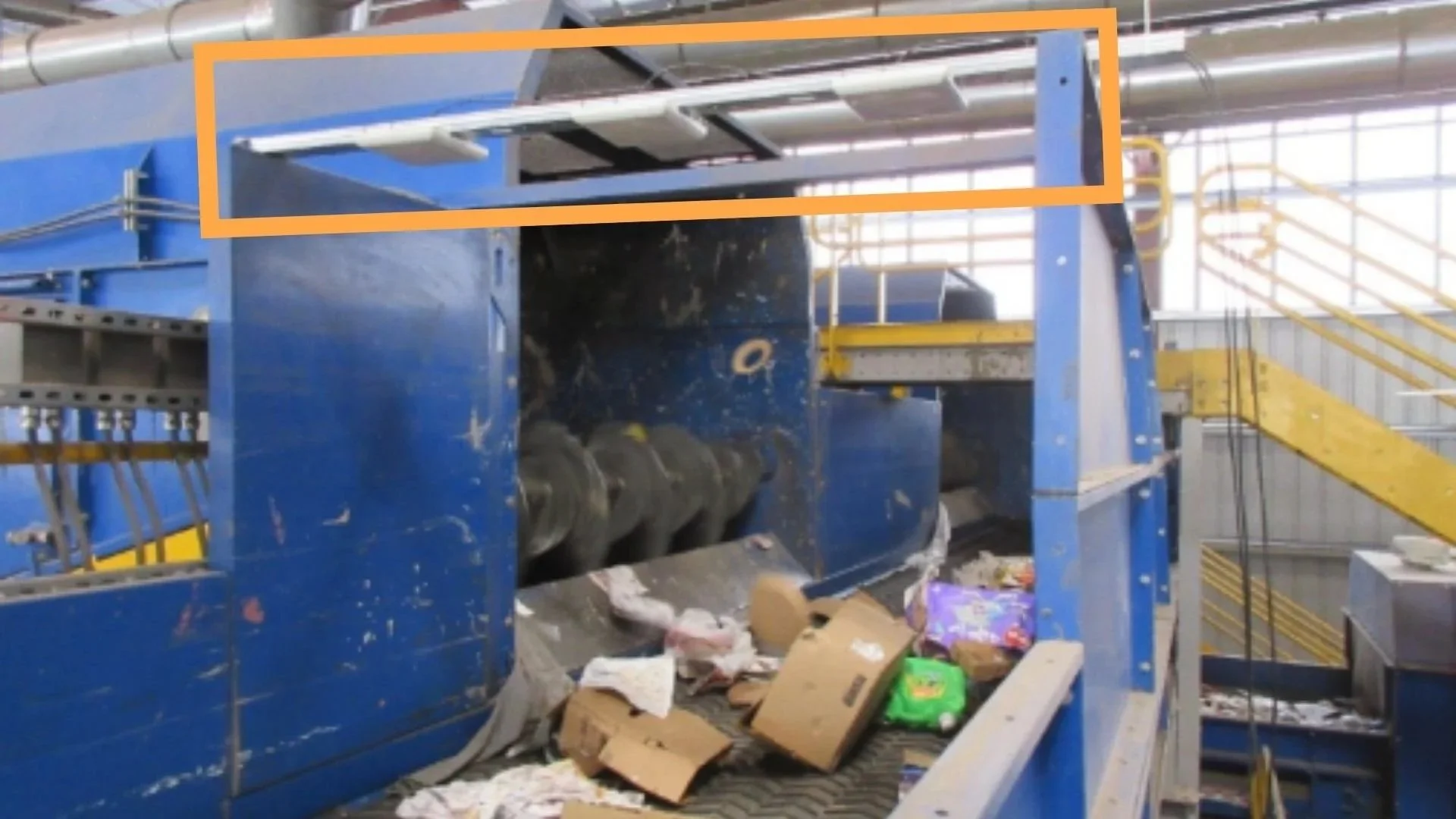
The second part of the RFID system is the RFID readers. RFID readers detect tagged packages as they move through the MRF, recording their location at key separation points to measure where test packages are successfully captured or lost throughout the sorting process.
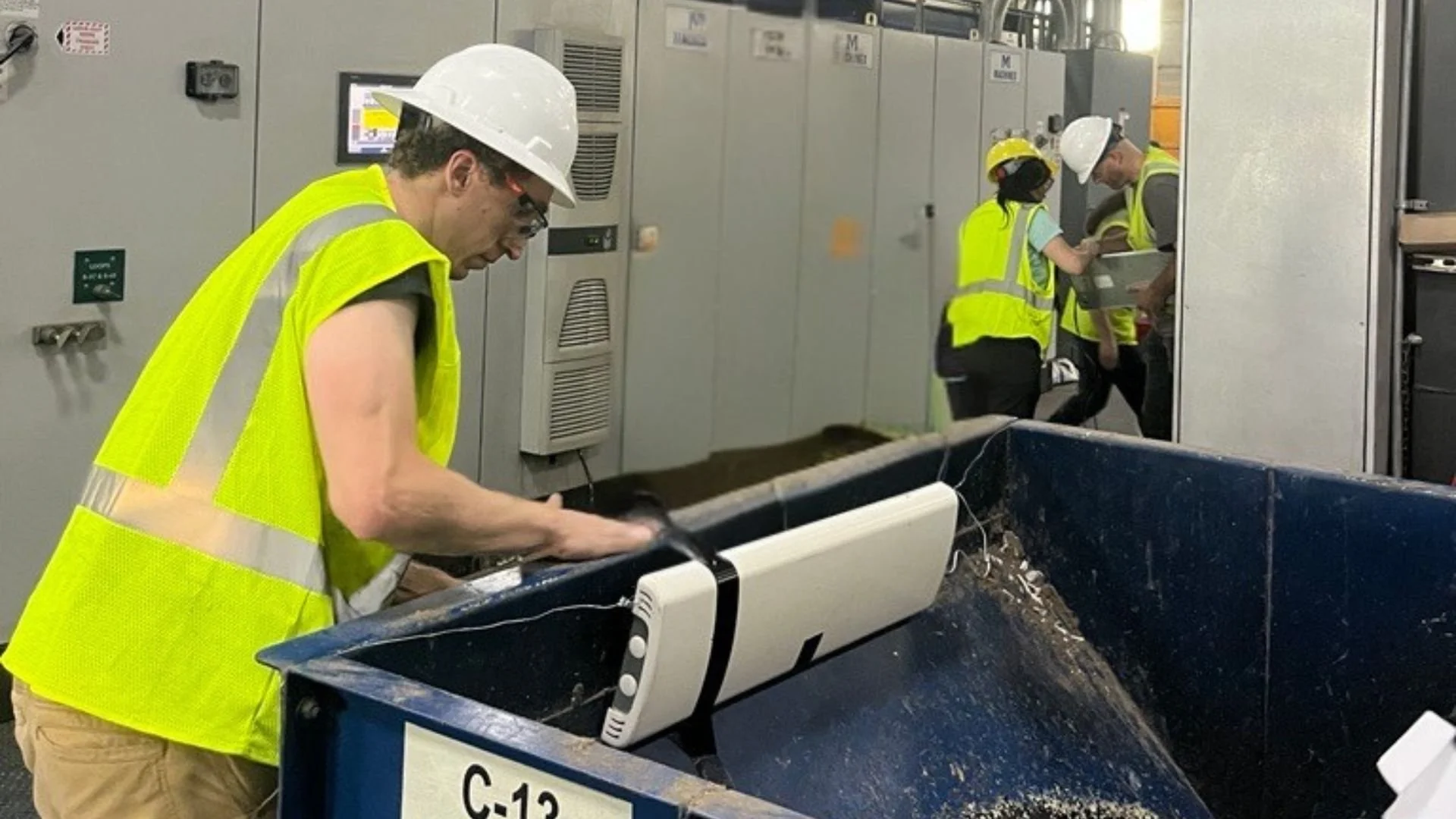
RRS determines optimal reader placement based on the package format, MRF layout, and the information needed to answer the client's research objectives. For example, if a PET packaging producer is interested in learning how much of their packaging incorrectly sorts to the PP bunker vs the PET bunker, readers will be placed at both of those output locations to identify its final disposition.
RRS staff works with the client to determine which MRF to conduct the test at, determined by the interests of the client (i.e. interest in testing at a state-of-the-art facility, within a specific state, at a MRF with targeted technological investments, etc.)
Determining the proper locations of the RFID Readers to capture the desired information and flow is the first step of the RFID system setup.
The Tests
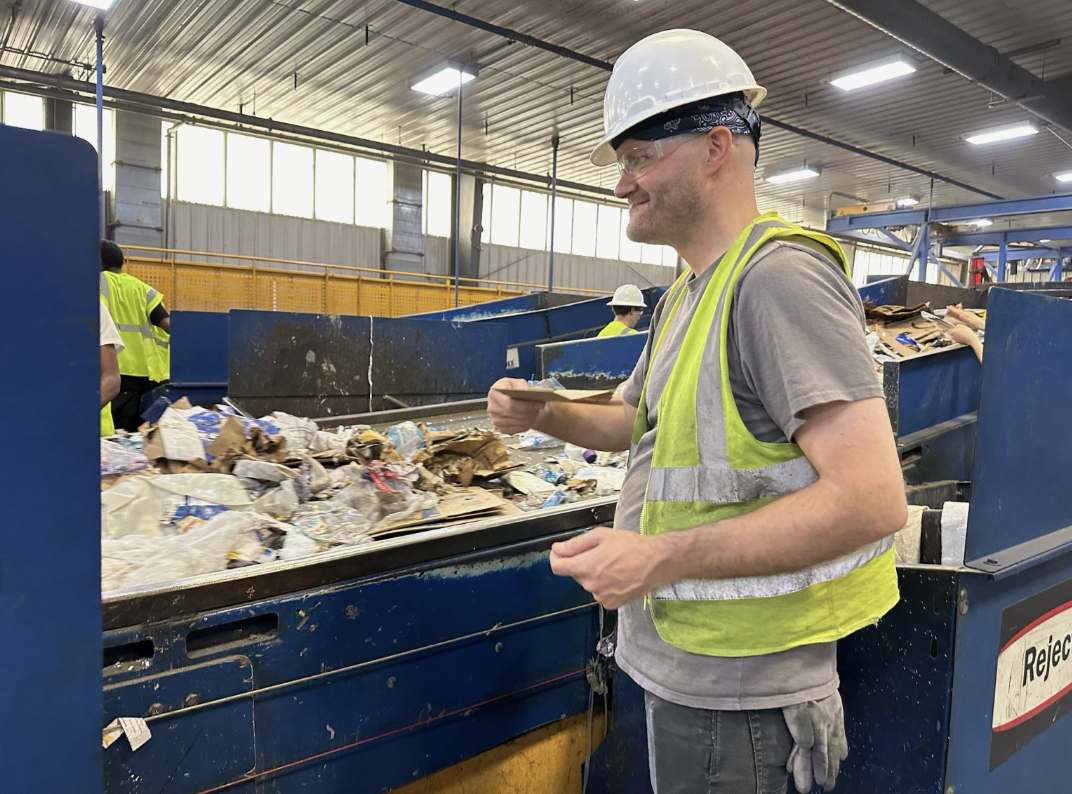
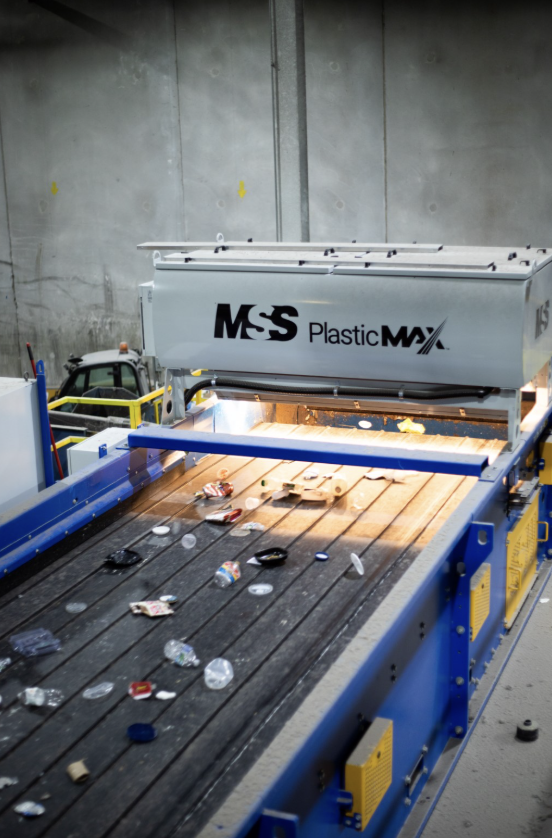
Once installed and activated, the readers are ready to detect any tagged packages moving past them in the system. Tagged packages are introduced into the system alongside single stream recyclables, typically by hand at the presort line.Once the packages are fed in, the readers remain active for 30-40 minutes per test to ensure the packages have had enough time to fully travel through the system and sort either to a commodity bunker or to residue. After all tests are complete, the RFID equipment is removed, and the data analysis can begin.
Unlocking Insights from RFID Testing Results
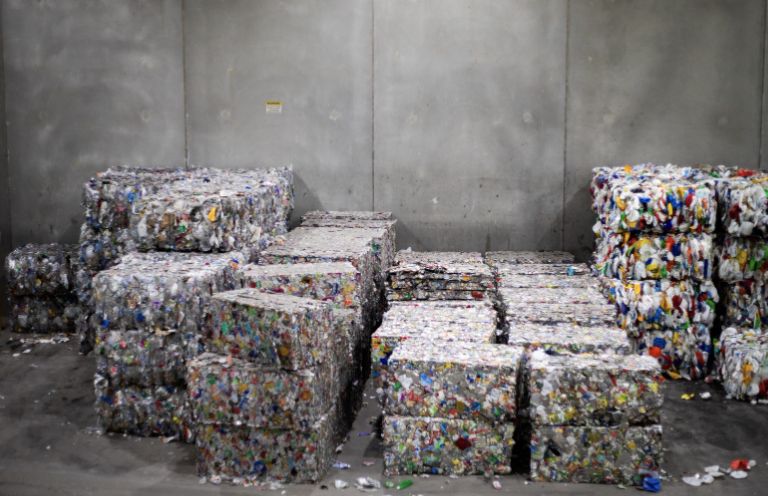
Testing results illustrate how a package moves through a MRF and performs at key points throughout the sortation process. The results are directional and meant to capture a snapshot of packaging performance at a specific MRF, on a specific day and time. Outcomes can vary depending on inbound material composition, equipment configuration and settings, and other operational factors within the MRF.
RRS has supported brands, packaging producers, MRF operators, and industry coalitions, including the Poly Coated Paper Alliance, to better understand how packaging performs within real-world sorting systems.