

Building Materials Management Systems for the Next Generation
For decades, many local solid waste plans have focused on a familiar set of questions: How much waste is generated? Where does it go? And how do we divert more of it from disposal?
Those questions still matter. But communities today face a much broader set of challenges. Housing shortages. Climate commitments. Infrastructure constraints. Food insecurity. Economic resilience. Workforce development.
Increasingly, these issues intersect with how materials move through our communities.
The most forward-looking local governments are recognizing that waste planning alone is no longer enough. Instead, they are embracing a broader materials management approach—one that examines the full lifecycle of products and materials and identifies opportunities to reduce environmental impacts while strengthening local economies.
Connecting Planning to Climate and Communities
RRS is currently helping communities apply these principles through materials management planning efforts that connect resource recovery with broader community priorities. One example is Benton County's recently completed Sustainable Materials Management Plan, which takes a lifecycle-based, climate-focused approach to reducing waste, recovering valuable materials, and strengthening regional collaboration.
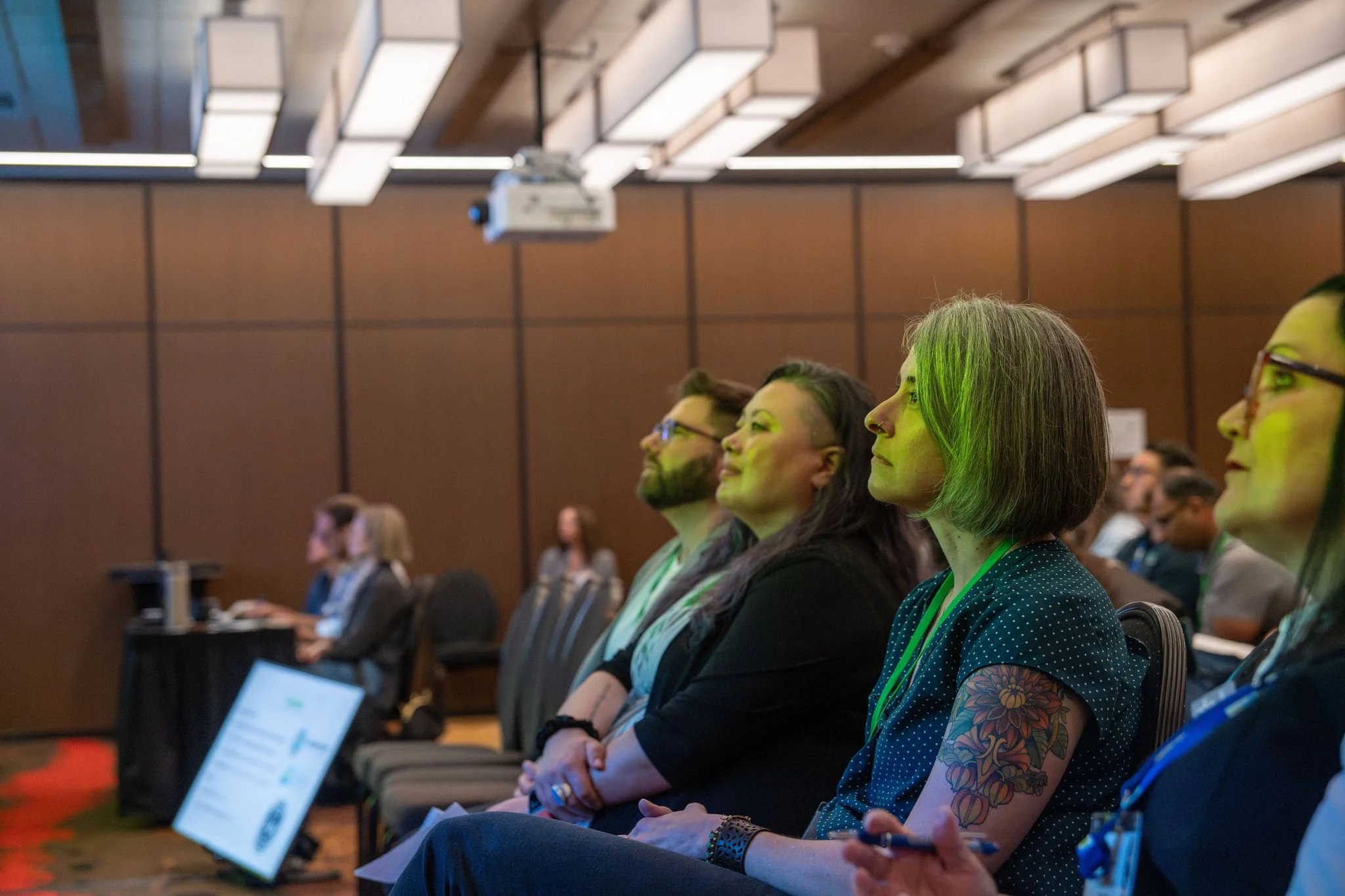
At the 2026 Sustainable Oregon Conference, RRS consultants Joel Schoening, Morgan Fenn, and Jackie Kirouac-Fram will be in attendance and Jackie and Joel will join Benton County to share lessons learned from this work, including opportunities to advance construction and demolition material recovery, food waste reduction, infrastructure planning, and regional partnerships. Their session, "It's Not All Boring Trash: Designing Innovative, Collaborative, Climate-Focused Materials Management Programs," will explore practical strategies communities can use to build more resilient materials management systems.

Moving Beyond Traditional Planning
Traditional plans often focus on managing materials at the end of their useful life. While important, this approach can overlook larger opportunities to prevent waste, recover resources, and create community benefits.
A materials management framework asks different questions:
How can we reduce the generation of waste in the first place?
What materials represent the greatest environmental and economic opportunities?
Where are the gaps in local recovery infrastructure?
How can regional collaboration improve outcomes?
What investments today will create more resilient systems tomorrow?
Answering these questions requires communities to think beyond collection and disposal and toward the systems that influence how materials are produced, used, recovered, and reintegrated into the economy.
Construction and Demolition Materials: A Major Opportunity
Thoughtfully Designed Policies and Programs Can:
Extend landfill life
Increase recycling and reuse
Support affordable housing goals through material recovery
Create local jobs and market opportunities
Reduce greenhouse gas emissions associated with virgin material production
Build resilience within regional materials supply chains
Build resilience within regional materials supply chains
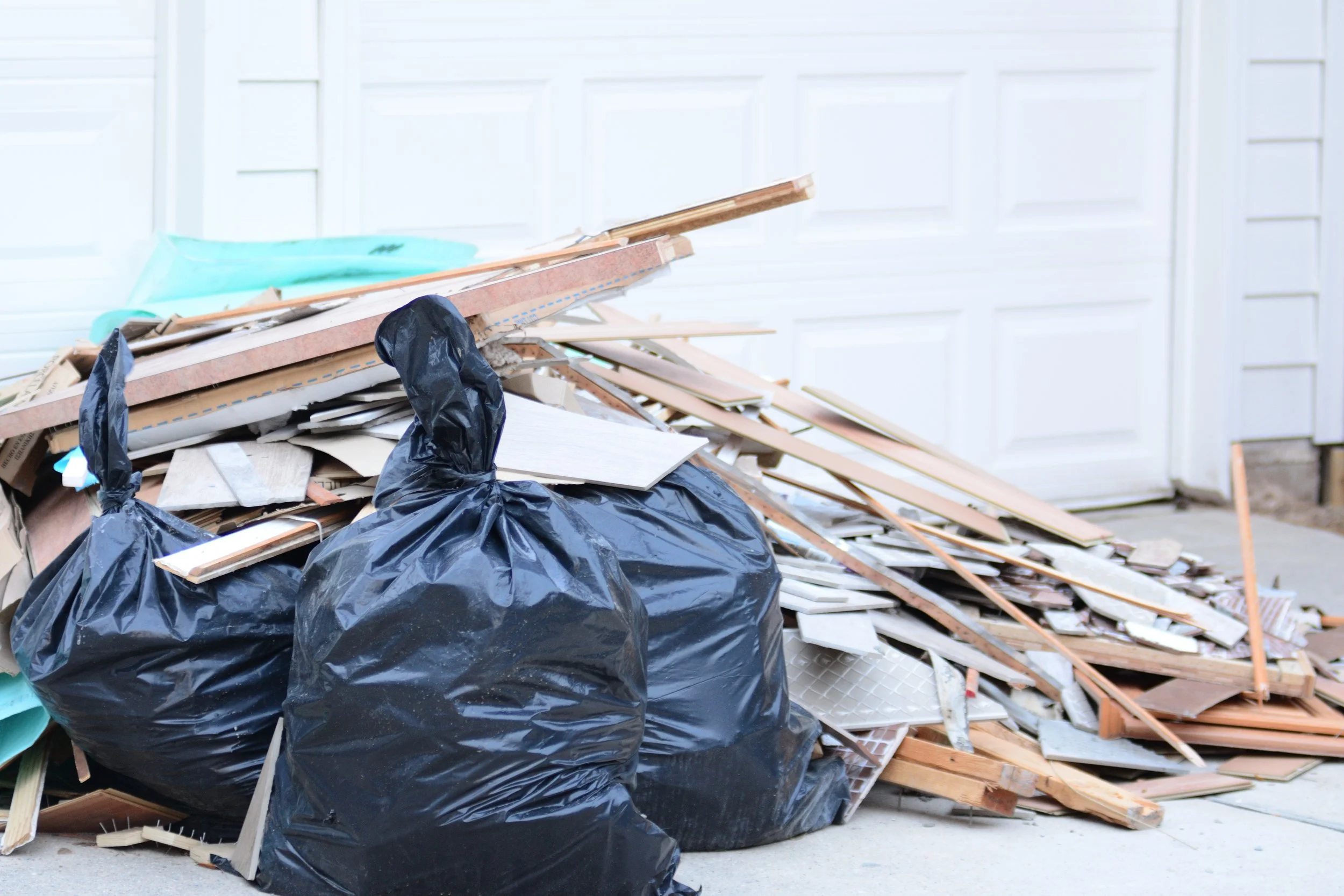
Few material streams demonstrate this shift more clearly than construction and demolition (C&D) debris. C&D materials often represent one of the largest portions of the disposed waste stream. Yet many of these materials, including wood, metal, concrete, asphalt, fixtures, and architectural elements, retain significant economic value.
Historically, communities have viewed C&D materials primarily as a disposal challenge. Increasingly, they are recognizing them as an opportunity.
As communities seek solutions to multiple challenges simultaneously, C&D management is becoming an important component of broader sustainability and economic development strategies.

Opportunities rarely emerge from isolated programs
They emerge through planning processes that bring stakeholders together, evaluate local conditions, and create a shared vision for the future.
Planning for Integrated Materials Systems
The communities making the greatest progress are those that view materials management as interconnected with other community priorities.
Food waste reduction efforts can support climate goals and hunger relief initiatives.
Packaging recovery programs can strengthen local recycling markets and economic development opportunities.
Construction material reuse can support housing affordability while reducing disposal costs and environmental impacts.
Regional collaboration can help communities achieve outcomes that would be difficult to accomplish independently.
Designing Systems That Deliver Results
Effective materials management planning is about more than setting diversion targets.
It requires understanding local infrastructure, market conditions, policy environments, stakeholder priorities, and implementation realities. Successful plans balance ambition with practicality and create clear pathways from vision to action.
At RRS, we've seen communities achieve meaningful progress when planning becomes a catalyst for systems change rather than simply a compliance exercise.
Whether the focus is construction and demolition materials, organics, packaging, or broader circular economy strategies, the goal remains the same: building systems that reduce waste, recover value, strengthen local economies, and support long-term environmental outcomes.
As communities across Oregon and beyond prepare for the next generation of materials management challenges, the opportunity is not simply to manage waste more effectively.
It's to design systems that create lasting environmental, economic, and community benefits.



Ready to Rethink What's Possible?
Whether your community is updating a solid waste plan, exploring construction and demolition material recovery, evaluating infrastructure investments, or developing a broader materials management strategy, the planning process can be a powerful tool for achieving environmental, economic, and community goals.
Connect with the RRS team to discuss how integrated materials management planning can help your community prepare for the future.