
Solid Waste Belongs in Your Sustainability Plan
Why Planning Is the Missing Link in Successful Waste Diversion Programs
When communities set out to improve sustainability, planning is often where the work begins, and for good reason.
Climate action plans, resilience strategies, and sustainability roadmaps help cities and counties align priorities, secure funding, and set measurable goals. But one critical area too often left on the sidelines is solid waste and sustainable materials management.
Waste is frequently treated as an operational issue rather than a strategic one.
The result?
Across the Southeast United States, many long-range plans overlook one of the most measurable and reportable opportunities communities have to reduce emissions, meet diversion targets, and demonstrate progress across environmental and social outcomes.
Intentional planning and the right expertise can make all the difference.
Why Solid Waste Needs a Seat at the Planning Table
Many local governments rely on planning or engineering firms as their primary consultants for large-scale plans. These firms bring valuable expertise, but they often don't specialize in the rapidly changing world of waste, including recycling markets, organics processing, and evolving policy trends.
Without solid waste professionals involved early, plans can overlook:
Best practice diversion opportunities
Market constraints and regional infrastructure gaps
Implementation costs and operational realities
Phased, achievable next steps
The result?
Good intentions without a clear path forward.
Experienced Solid Waste Management Services with Your Goals in Mind
At RRS, we bring deep, industry-specific knowledge into these planning conversations, helping communities translate high-level sustainability goals into practical, implementable actions that work within local conditions.
Whether serving as a primary consultant or a specialized sub-contractor, RRS focuses on planning that doesn't just sit on a shelf.
Our role is to help communities:
Identify achievable diversion opportunities
Align waste strategies with climate and resilience goals
Understand local and regional market realities
Build plans that can be funded, phased, and implemented
Planning in Action: Northern Virginia
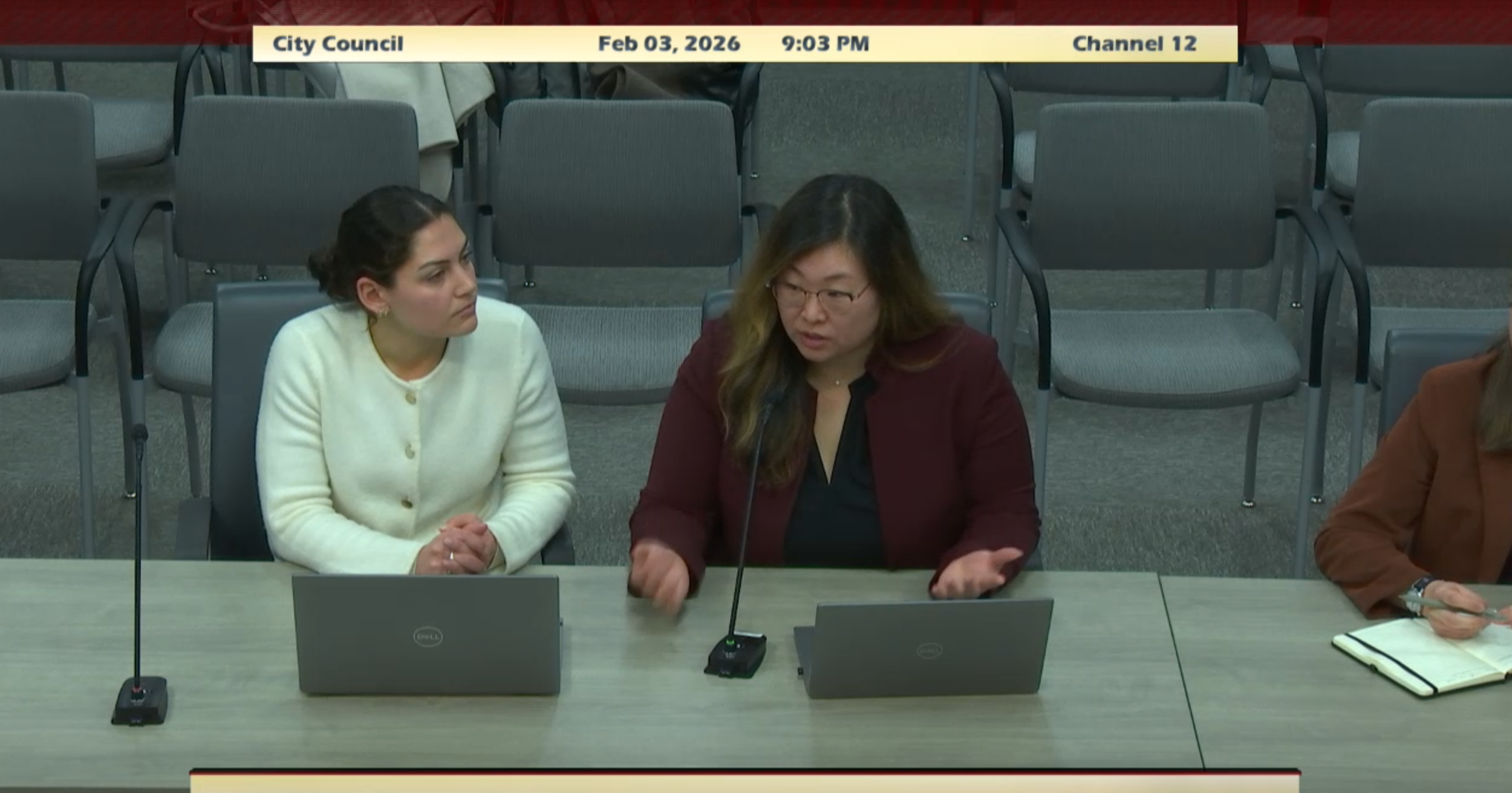
One example of this approach comes from Northern Virginia, where RRS supported long-term solid waste planning for both Fairfax County and the City of Fairfax. In Fairfax County, RRS helped develop a 20-year Solid Waste Management Plan that paired waste projections and market analysis with a clear, phased zero-waste strategy, giving staff a practical roadmap for meeting diversion and sustainability goals over time.
RRS completed similar work for the City of Fairfax, helping align local priorities with regional and state expectations while identifying actionable next steps that fit the City's capacity.
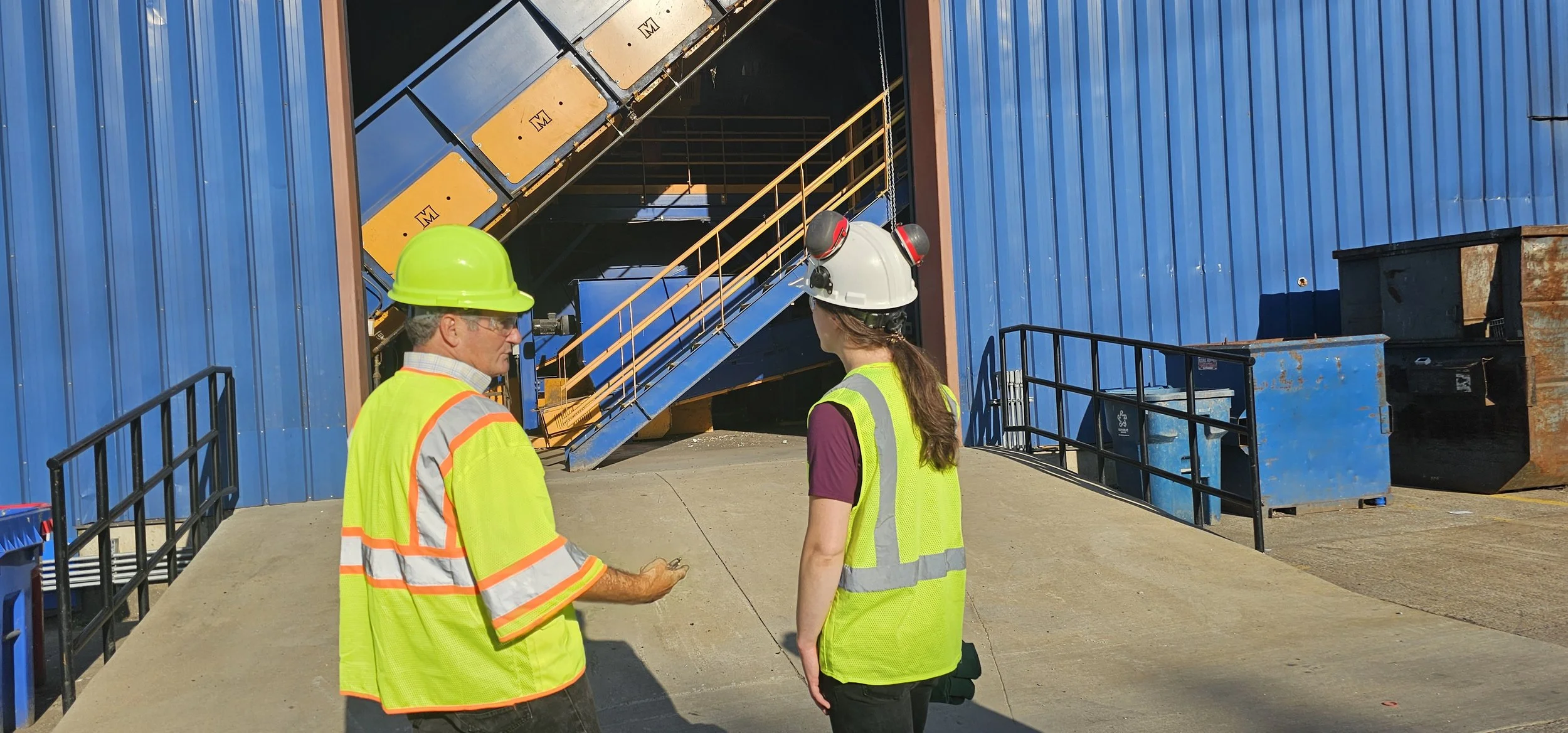
These examples reflect a broader pattern. Whether working in Virginia, Tennessee, North Carolina, Florida, or other southeastern states, RRS's role is often the same: bring industry-aware, data-driven insights into planning processes that otherwise risk leaving significant diversion opportunities on the table.
Thoughtful planning doesn’t have to be overwhelming.
It does need the right voices in the room. When communities bring solid waste expertise into the process early, they unlock one of the most impactful tools they have to advance sustainability.