When Policy Is Designed for Implementation
The Best Waste Policies Are Built Around Implementation, Not Just Intent
Strong waste and recycling outcomes rarely happen by accident.
They are typically the result of clear, well-crafted policy paired with realistic implementation strategies.
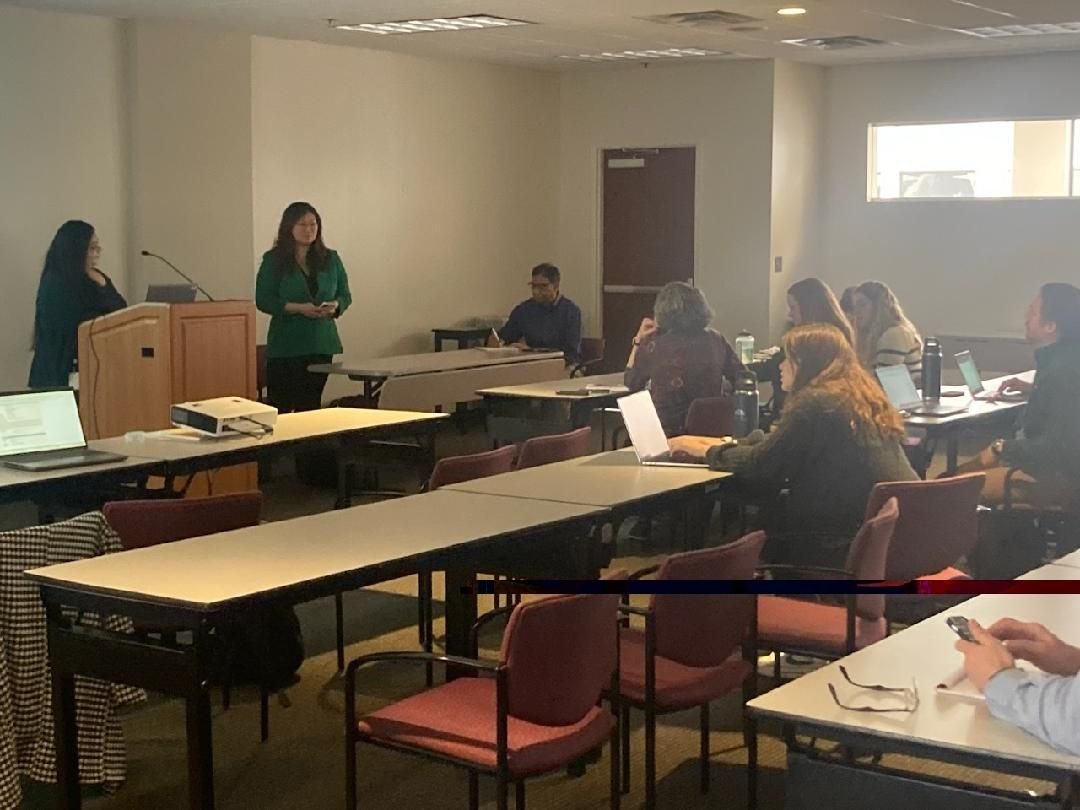
Across the Southeast, communities are increasingly focused on targeted policies that address high-impact materials and align with existing systems, rather than sweeping mandates that outpace local capacity. The most successful efforts are rooted in operational realities and an honest accounting of what communities can actually execute.
What Effective Waste Policy Has in Common
Policies that translate intent into results tend to share several traits:
Clear definitions and achievable requirements
An understanding of local and regional market conditions
Enforcement pathways that match available staff and resources
Stakeholder engagement that builds understanding instead of resistance
Outside perspectives can also play a critical role. Insights into best practices, peer experiences, and lessons learned elsewhere help communities avoid common pitfalls and strengthen confidence in decision-making.
Food Waste and Organics Diversion
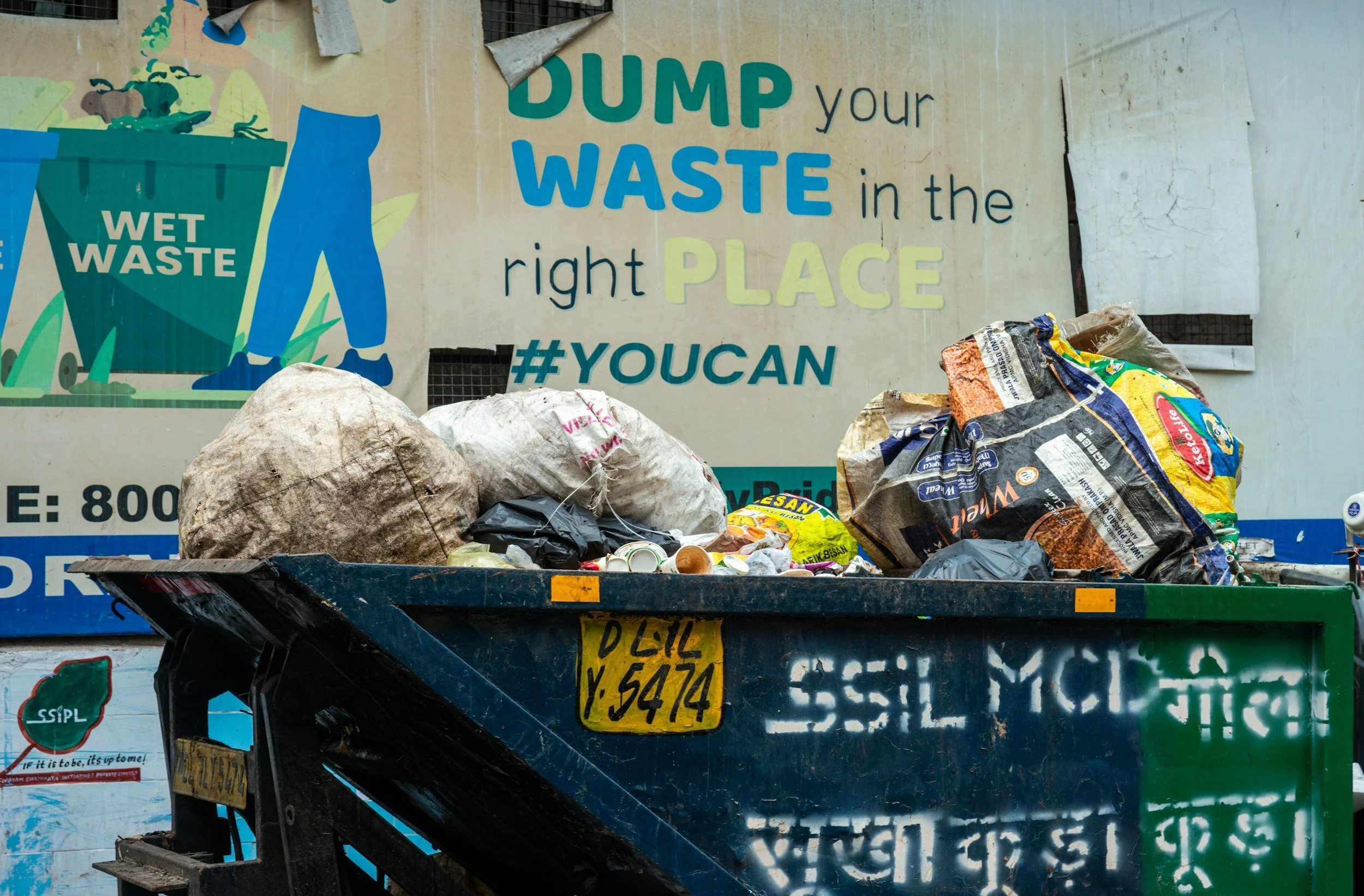
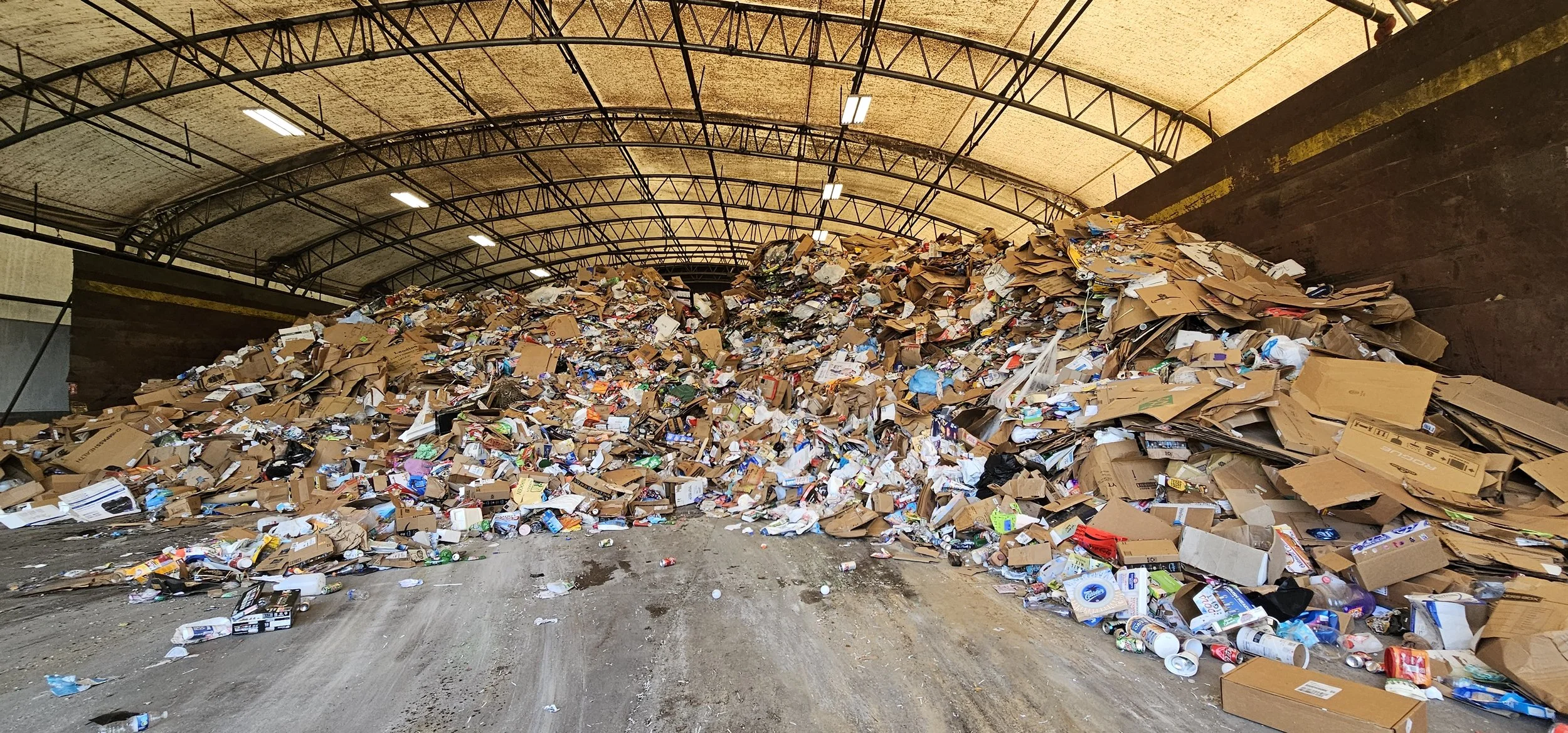
Food waste remains one of the largest components of the waste stream, particularly for commercial generators.
Rather than starting with broad bans, these approaches focus on the generators best positioned to comply and build diversion capacity incrementally.

In the Southeast, many communities are advancing food waste diversion through:
Food recovery and donation frameworks
Organics separation requirements for large generators
Composting and processing infrastructure development
Mandatory Commercial Recycling
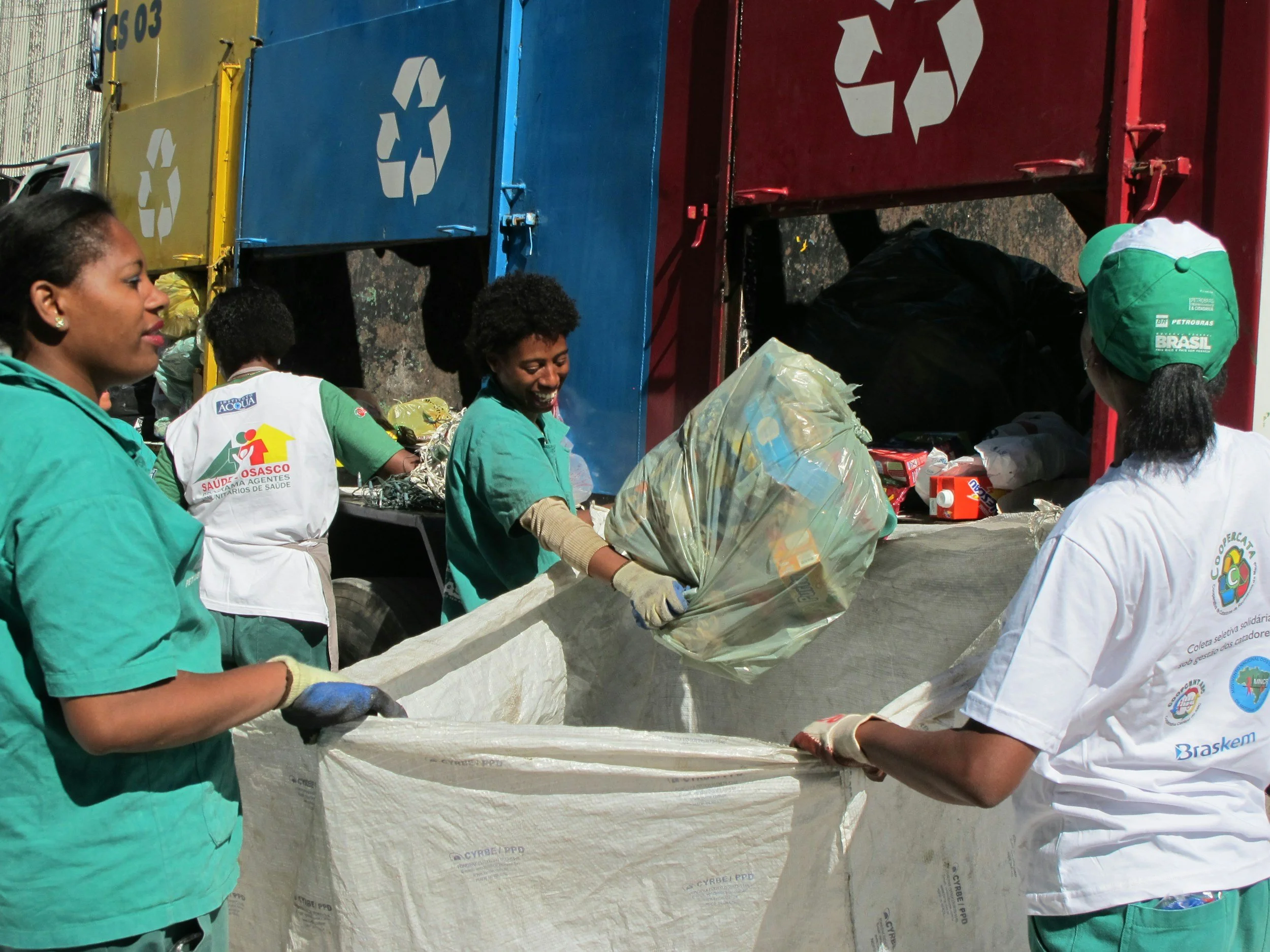
Commercial waste often makes up a significant share of what ends up in landfills. Policies that require recycling at businesses and institutions help normalize diversion and reduce contamination in residential programs.
These ordinances often succeed when they:
Build on existing commercial hauling arrangements
Include clear education and outreach requirements
Phase in enforcement alongside technical support
For sustainability directors, commercial recycling policies offer a way to address large volumes of material with relatively limited administrative burden.
Policy That Fits the Community
Whether focused on C&D, food waste, or commercial recycling, policy works best when it is adapted rather than copied. What succeeds in one city may need adjustment elsewhere to reflect different markets, infrastructure, or staffing levels.
RRS supports communities by helping them:
Explore policy options and tradeoffs
Learn from what has worked, and what has not, elsewhere
Develop implementation plans alongside policy language
Engage stakeholders early to build shared understanding
With the right guidance, policy becomes more than a statement of intent. It becomes a practical tool that helps communities manage materials more wisely, protect landfill capacity, and make steady progress toward their sustainability goals.