
Turning Construction Waste into a Diversion Opportunity

Construction Waste Is Filling Your Landfill: Policy Can Change That
In fast-growing communities across the Southeast, construction and demolition (C&D) materials make up one of the largest portions of the waste stream.
New development, redevelopment, and infrastructure investments generate enormous volumes of concrete, wood, metals, and asphalt.
When these materials are hauled directly to landfill, valuable resources are lost and limited disposal capacity fills up faster.That reality is why more communities are turning to C&D recycling policies as one of the most straightforward ways to make meaningful progress toward their diversion goals.
Why C&D Policies Deliver Outsized Impact
C&D debris offers a unique opportunity for local governments:
It represents a large, concentrated portion of total disposed waste
Materials are often clean, recoverable, and marketable
Generation is tied to permitted activities, creating natural compliance points
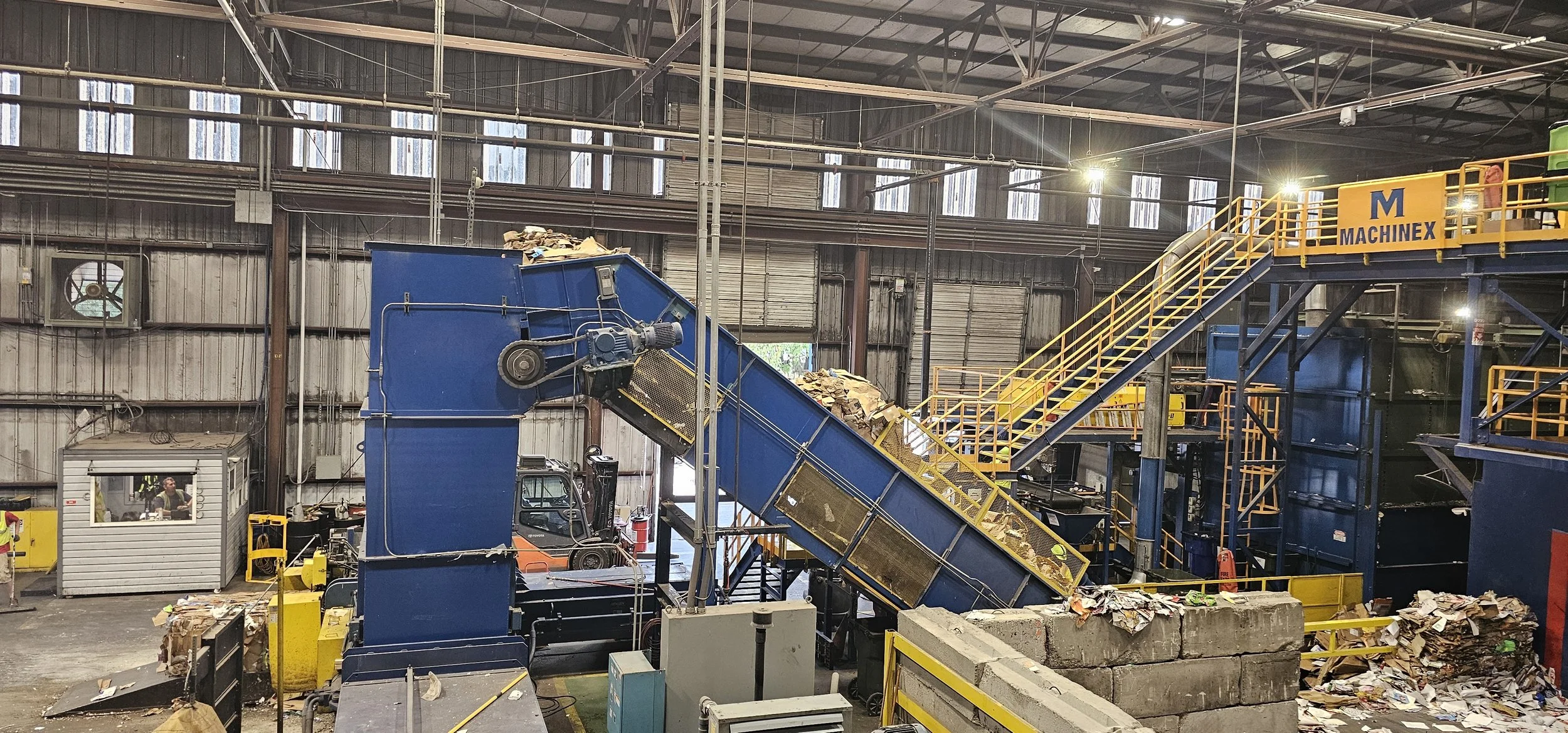
Policies that require diversion before disposal ensure recoverable materials are given another use or life, rather than permanently consuming landfill space.
Two policy tools have proven especially effective:
Banning non-processed C&D materials from being hauled directly to landfill
Requiring recycling or materials recovery through permitted facilities
Together, these approaches shift the default pathway away from disposal and toward recovery, without relying solely on voluntary participation.
Policy in Practice: Broward County, Florida
Broward County offers a compelling example of how C&D policy can be designed for real-world implementation in a large, diverse region.
RRS is supporting the Broward County Solid Waste Authority (SWA) as it develops:
A landfill disposal ban on non-processed C&D materials
A mandated C&D recycling ordinance aligned with existing permitting and regulatory processes
Because the SWA serves 28 cities and towns, the work focuses not just on policy language, but on how requirements can be implemented consistently across municipalities, through local ordinances or interlocal agreements. The goal is a framework that is enforceable, flexible, and workable at the local level while advancing countywide diversion objectives.
Why This Matters in Growing Communities
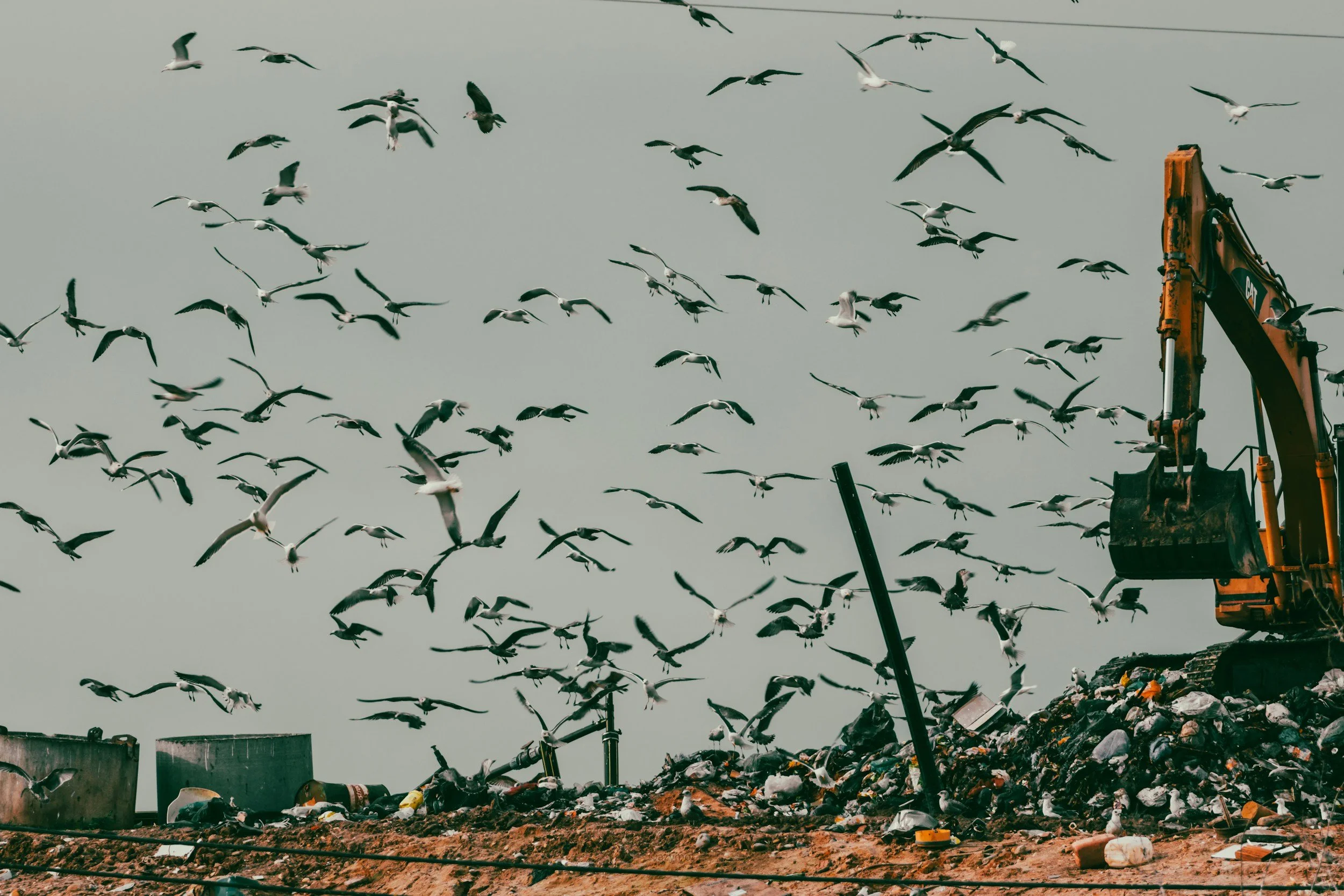
C&D recycling policies help communities get ahead of these pressures by keeping materials in circulation, extending landfill life, and supporting local recovery markets. For sustainability directors, these policies represent one of the most effective tools available to accelerate diversion in a measurable way.

In regions experiencing continued growth:
Landfill capacity is finite and increasingly costly
Development-related waste volumes rise year over year
Lost materials today become future infrastructure challenges