University at Buffalo (SUNY) - Climate Action Strategy
Client
University at Buffalo (SUNY)
Industry
Colleges & Universities
Our Role
Develop an integrated Zero Waste Plan as a Climate Action Strategy
The Challenge
Building a Zero Waste Roadmap in Support of UB's 2030 Climate Commitment
The University at Buffalo understands the existential threat that climate change poses to its institution and to the communities it serves. As the SUNY system's flagship research university, UB committed to achieving climate neutrality by 2030, and zero waste became a central pillar of that strategy. Translating that ambition into an actionable, campus-wide plan required a rigorous assessment of how materials flow through a large, complex university environment, paired with a realistic implementation framework that could deliver measurable results.
The challenge was significant. UB needed a comprehensive, data-driven plan that went beyond policy statements to address the operational, infrastructure, policy, and financial realities of achieving zero waste across a major research university. Key challenges included:
Campus Baseline & Waste Characterization: Establishing a rigorous baseline of existing waste generation, diversion, and material flows across a large, multi-site research university with diverse building types and operational needs.
Strategy Development: Identifying and prioritizing short- and long-term strategies with the greatest potential for diversion, grounded in recovery modeling and feasibility analysis.
Policy & Infrastructure Alignment: Assessing gaps in existing policies and recommending infrastructure improvements to support consistent, campus-wide adoption of zero waste practices.
Implementation Readiness: Translating strategies into a phased implementation plan with defined actions, budget impacts, and a clear timeline, so UB could move from planning to action.
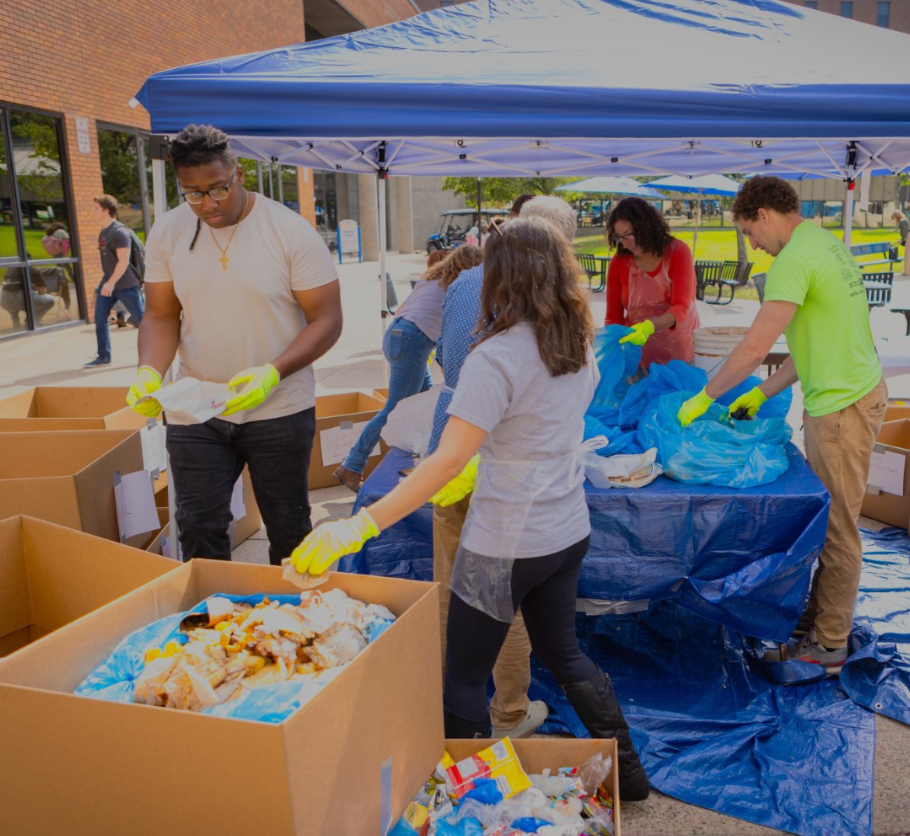
"UB came to us with a bold commitment and a real deadline. Our job was to give them the data, the strategy, and the roadmap to make it credible — and this plan does exactly that"
-Sara Nichols, Senior Consultant, RRS
Strategic Approach
RRS developed a data-driven, systems-based Zero Waste Plan that gives the University at Buffalo a practical and integrated roadmap to support its 2030 climate neutrality commitment.
The work combined campus data collection, stakeholder engagement, and RRS's deep expertise in materials management to build a plan grounded in UB's real operational conditions.

Campus Baseline & Waste Characterization: Conducted a comprehensive baseline assessment including a waste characterization study and site-level evaluation of existing waste tracking, collection, and diversion practices. This analysis established the data foundation for all subsequent strategy development and recovery modeling.

Recovery Potential Modeling: Analyzed the gap between current diversion performance and zero waste goals, modeling recovery potential across material streams to identify where the greatest opportunities exist and what is realistically achievable given UB's operations and infrastructure.

Strategy Development & Phased Implementation: Synthesized gap-analysis findings, stakeholder feedback, and best practices into phased implementation strategies that built on existing infrastructure, strengthened policies and procedures, expanded education and outreach, and enhanced programs such as large-event waste reduction and the ReUse Warehouse.

Implementation Plan & Roadmap: Synthesized all findings into a phased implementation plan with a clear timeline, defined roles, and actionable next steps, giving UB a practical path from planning to progress.
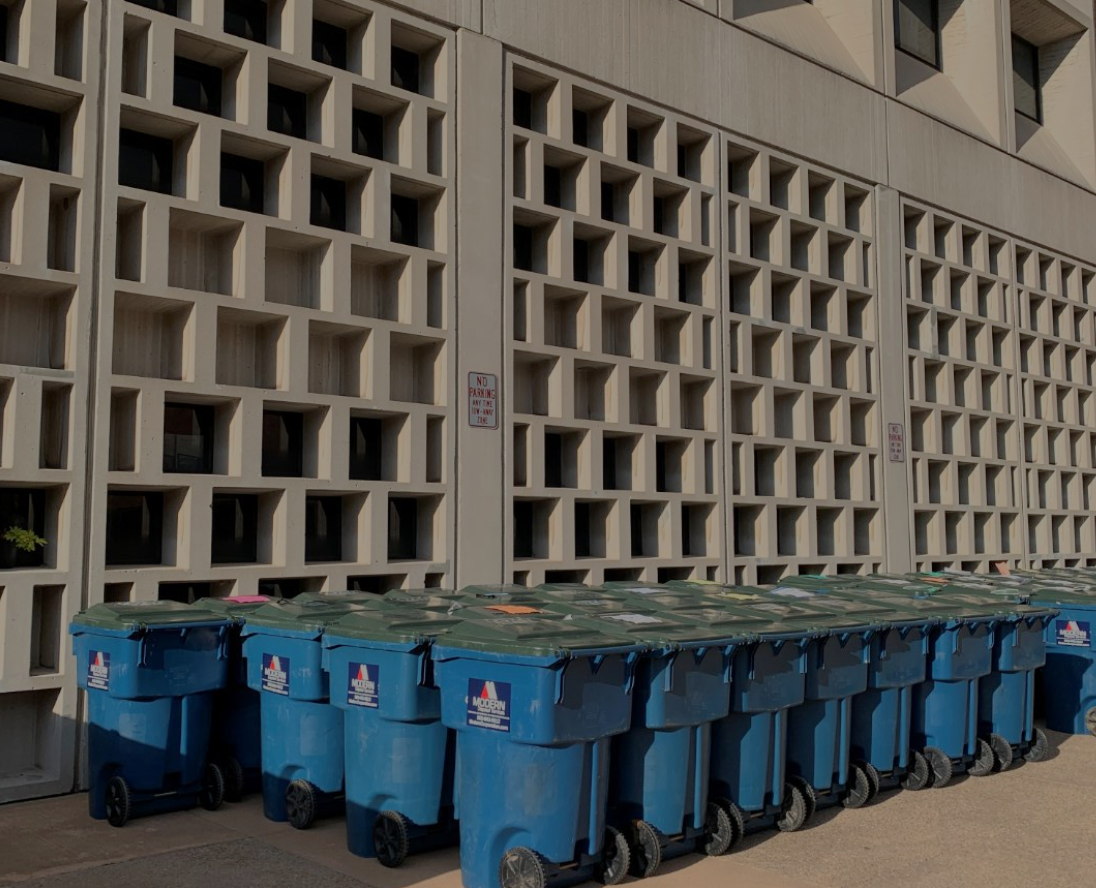
1,350 acres across three campuses — spanning North Campus in Amherst, South Campus in the City of Buffalo, and a Downtown presence, making coordinated, system-wide waste management one of the project's core challenges.
Outcomes
A Climate-Aligned Zero Waste Plan to Advance UB's 2030 Neutrality Goal
RRS delivered the University at Buffalo's comprehensive Zero Waste & Circularity Plan, providing a data-grounded, phased strategy to advance campus-wide zero waste as part of UB's commitment to climate neutrality by 2030. Built on rigorous waste characterization, recovery modeling, and policy analysis, the plan gives UB the strategic framework, infrastructure roadmap, and implementation guidance to move from commitment to action.
Key outcomes of the project included:
Strategic Plan Delivered. Delivered a comprehensive zero waste strategic plan titled "Zero Waste & Circularity: A Climate Action Strategy" to guide UB through 2030
Baseline Assessment. Completed a campus-wide baseline assessment covering waste generation, composition, and collection infrastructure across all three UB campuses
Gap Analysis. Identified policy and program gaps, with prioritized recommendations aligned to UB's 90% diversion goal
Implementation Roadmap. Provided a phased implementation roadmap with defined milestones, accountabilities, and timelines
Climate Action. Supported UB's broader climate commitment to achieve carbon neutrality by 2030, with zero waste positioned as a critical pillar
Together, these outcomes gave the University at Buffalo a practical, values-driven path toward its 2030 goals, one that centers reuse, recycling, composting, and waste reduction across all three campuses; supports data-informed decision-making; and empowers students, faculty, and staff to participate in a shared zero waste vision. The plan established a durable foundation for continued progress, enabling UB to better manage materials, reduce long-term costs, and demonstrate leadership in sustainability as the flagship campus of the SUNY system.
90%
Target from landfill and waste-to-energy
3
Campuses covered by the plan
700+
Planned Three-stream waste stations
32,000+
Total UB's Student Enrollment
The Team
RRS assembled a multidisciplinary team with deep experience in university waste systems, policy development, and campus stakeholder engagement to support UB's zero waste ambitions.
For this engagement, our project team included experts in university material flows, waste characterization, policy development, and communications, each contributing specialized knowledge that shaped both the analytical rigor and the practical focus of the final plan. Together, the team worked closely with UB stakeholders to ensure that recommendations were grounded in the university's specific context, feasible within its operational constraints, and built to last beyond the planning process itself.