
The Biggest Opportunity for Waste Reduction is Organics
Diversion, Climate, and ESG in One Strategy: The Case for Organics
For many communities, organics represent the largest single portion of the waste stream and the greatest opportunity to improve diversion performance.
Food waste and yard waste dominate residential and commercial disposal, particularly across the Southeast.
As states and local governments increasingly track diversion rates and GHG reductions, organics diversion has emerged as a high-impact strategy that directly supports climate goals, waste reduction targets, and ESG reporting metrics.
Many Options, One Shared Objective
Successful organics programs don’t follow a single model.
Diversion strategies may include:
Food rescue and donation programs that support social and equity goals
Agricultural partnerships that keep food waste out of landfills
Yard waste and food waste composting
Development of regional processing infrastructure


Each option plays a role in diversion and helping communities
Reduce methane emissions
Preserve landfill capacity
Demonstrate progress toward state and local diversion goals
Strengthen environmental performance reporting
Coordinating these efforts requires technical insight, market understanding, and strong partnerships.
RRS helps communities evaluate their organics stream through both a sustainability and implementation lens, connecting policy intent with real-world collection, processing, and reporting realities.
Planning in Action: Washington, D.C.
In Washington, D.C., RRS evaluated the feasibility of expanded residential and commercial source-separated organics and yard debris recovery.
The work included assessing regional processing capacity, selecting processing partners, conducting economic modeling, evaluating transfer station suitability, and addressing policy considerations such as degradable bin liners.
The result was a phased two- to five-year implementation plan aligned with the District's sustainability goals.
This type of work reflects a broader pattern in how RRS approaches organics programs. Whether working with a major urban district like Washington, D.C. or a smaller municipality just beginning to explore options, RRS brings the same combination: technically grounded analysis, market awareness, and implementation expertise that helps communities move from organics aspirations to real, workable programs.
Organics and Climate Performance
Organics diversion is one of the most impactful levers in local climate action planning. Reducing food waste and diverting organics not only improves diversion rates, it also delivers measurable GHG reductions that communities can track and communicate.
RRS conducted an environmental food waste impact assessment for one of the largest food rescue organizations in the country. The assessment produced defensible estimates of both emissions generated and emissions avoided.
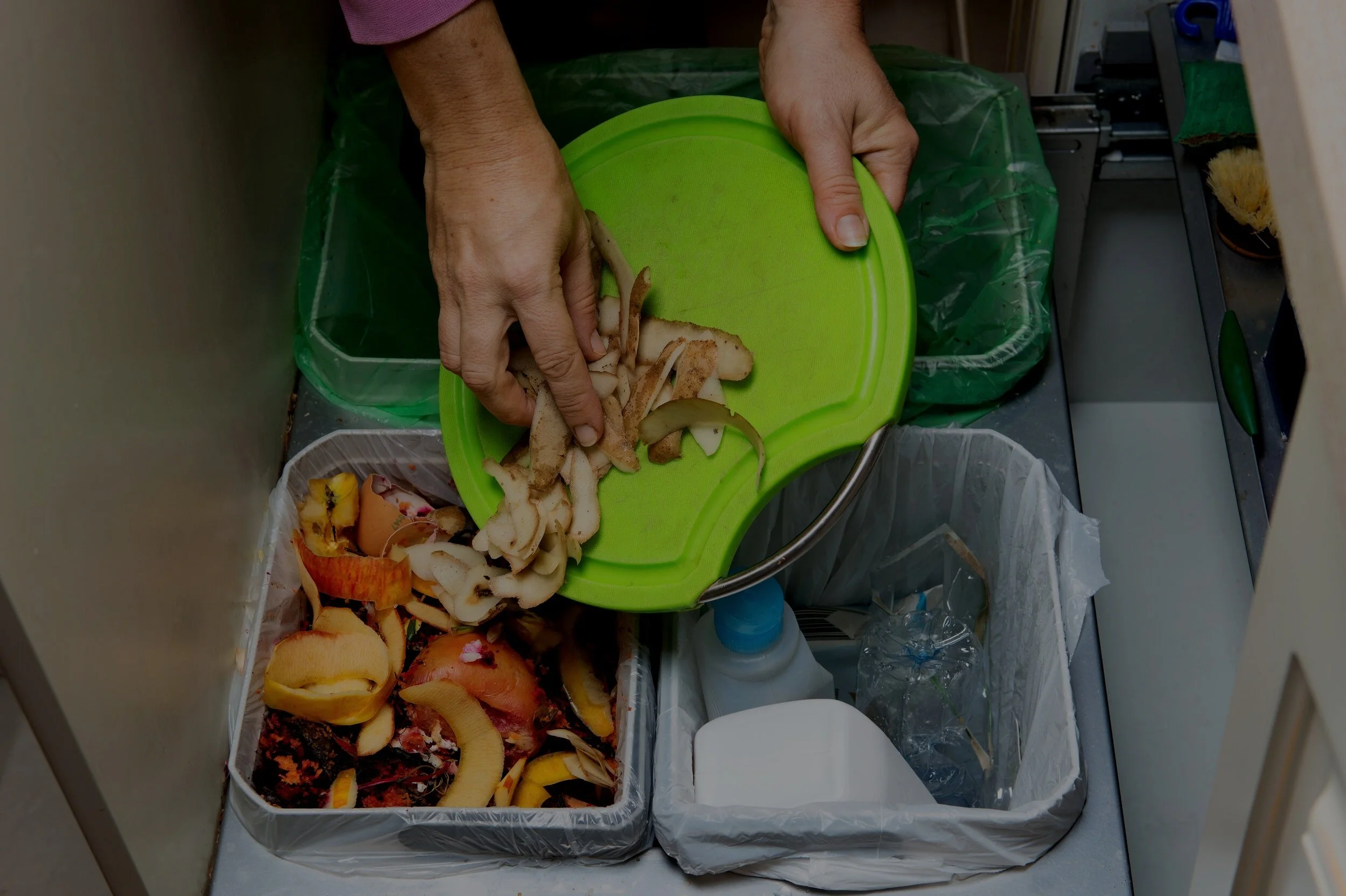
Operating the rescue activities, including transportation, refrigeration, and other operational processes, resulted in approximately 1,500 metric tons of CO2e emissions. In contrast, rescuing food and diverting it from landfills avoided an estimated 45,000 metric tons of CO2e. The climate benefits of food rescue overwhelmingly outweigh the associated operational emissions, delivering substantial net emissions savings.
As part of the City of Bowie, Maryland food waste curbside feasibility study, RRS modeled greenhouse gas impacts for several organics collection scenarios, finding that citywide food and yard waste diversion could reduce emissions by approximately 600 metric tons of CO2e per year, equivalent to removing more than 125 passenger vehicles from the road.

Thoughtful planning and clear implementation pathways for organics collection.
These will help communities move the needle on climate, diversion, and ESG outcomes all at once.