
How Sara Nichols Turns Complex Challenges into Collaborative Solutions
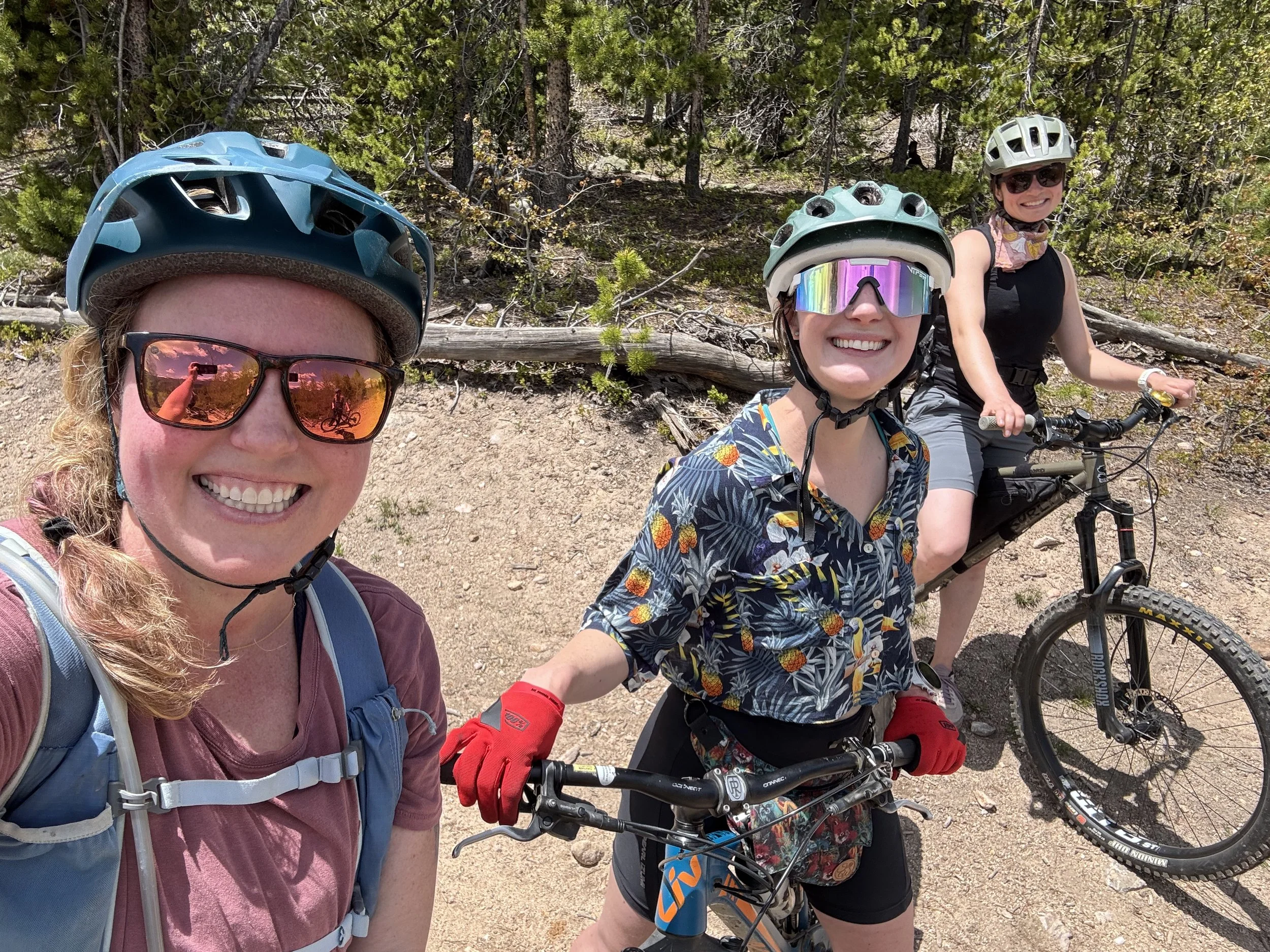
Five days. One backpack. A group of strangers.
When Sara Nichols set out to hike the W Trek in Chilean Patagonia, she was venturing well beyond her comfort zone.
"It was scary in the planning process," Sara recalls. "I hadn't traveled that far before or done much foreign travel."
The trip had been on her bucket list for years, but planning an international backpacking adventure with strangers was intimidating. What she found on the other side: glaciers stretching across the Southern Ice Field, breathtaking landscapes, and a group of strangers who became friends.
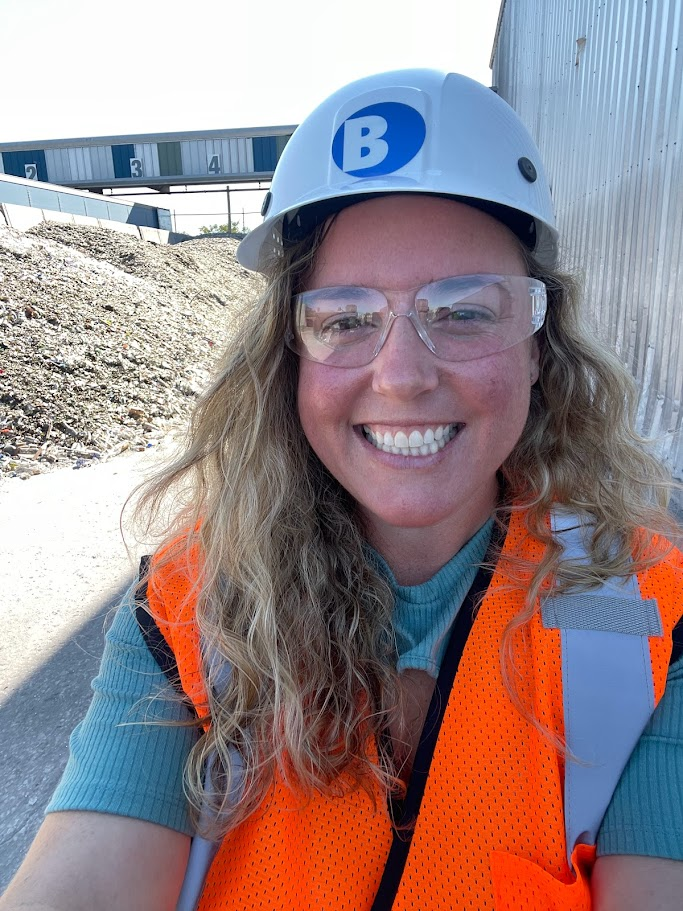
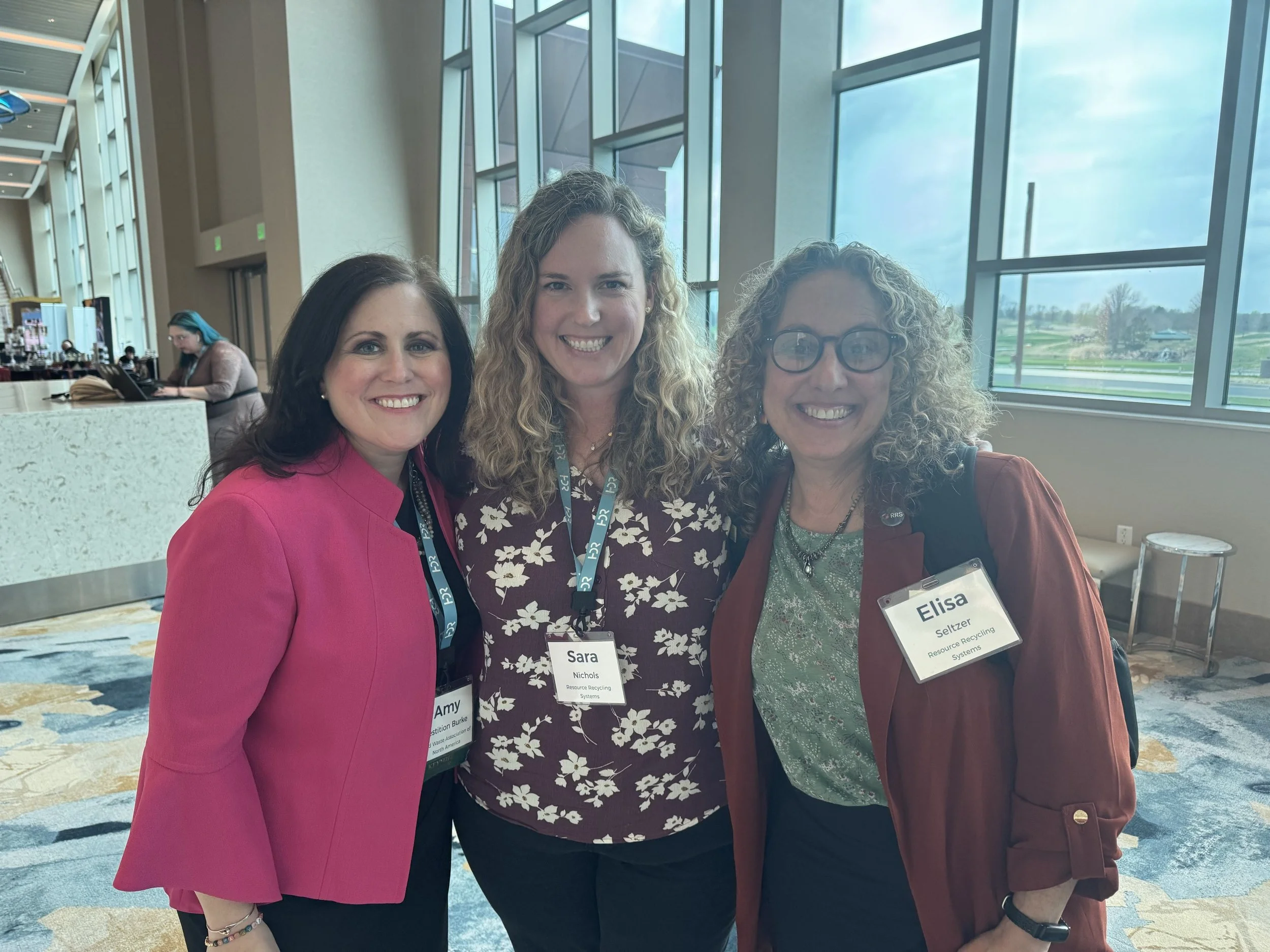
It reinforced a theme that runs throughout her career — meaningful progress often begins when people come together to tackle challenges bigger than themselves. Today, Sara brings that same mindset to her role as Senior Consultant at RRS, where she was recently named a Waste360 2026 40 Under 40 honoree.
Building Solutions Through Collaboration
Sara's path into consulting is unique.
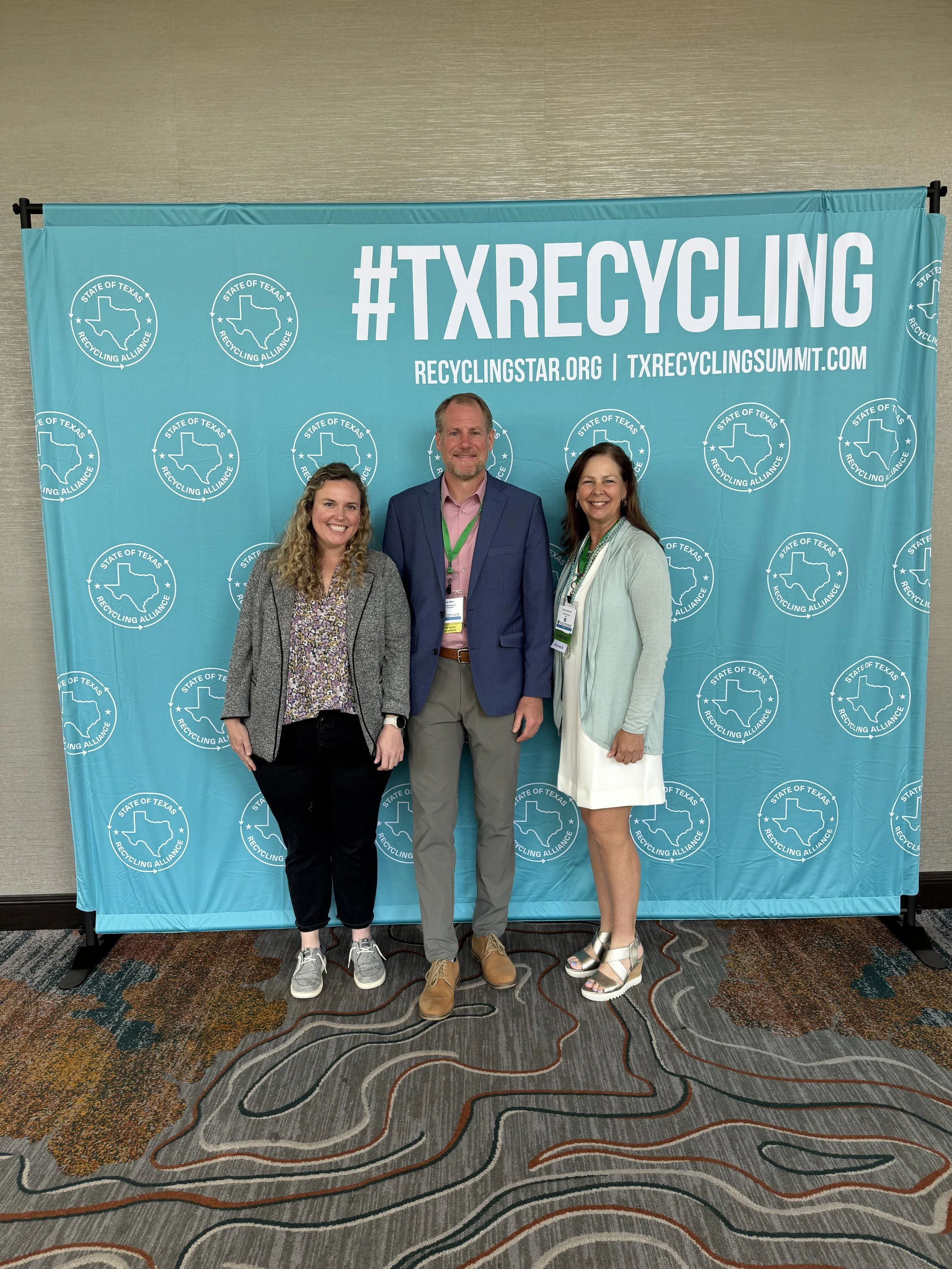
Before joining RRS, she served as Executive Director of the State of Texas Alliance for Recycling and Program Director for Keep Texas Beautiful, leading statewide initiatives focused on recycling, litter prevention, environmental education, and public engagement.
That nonprofit leadership background continues to shape how she approaches her work today.
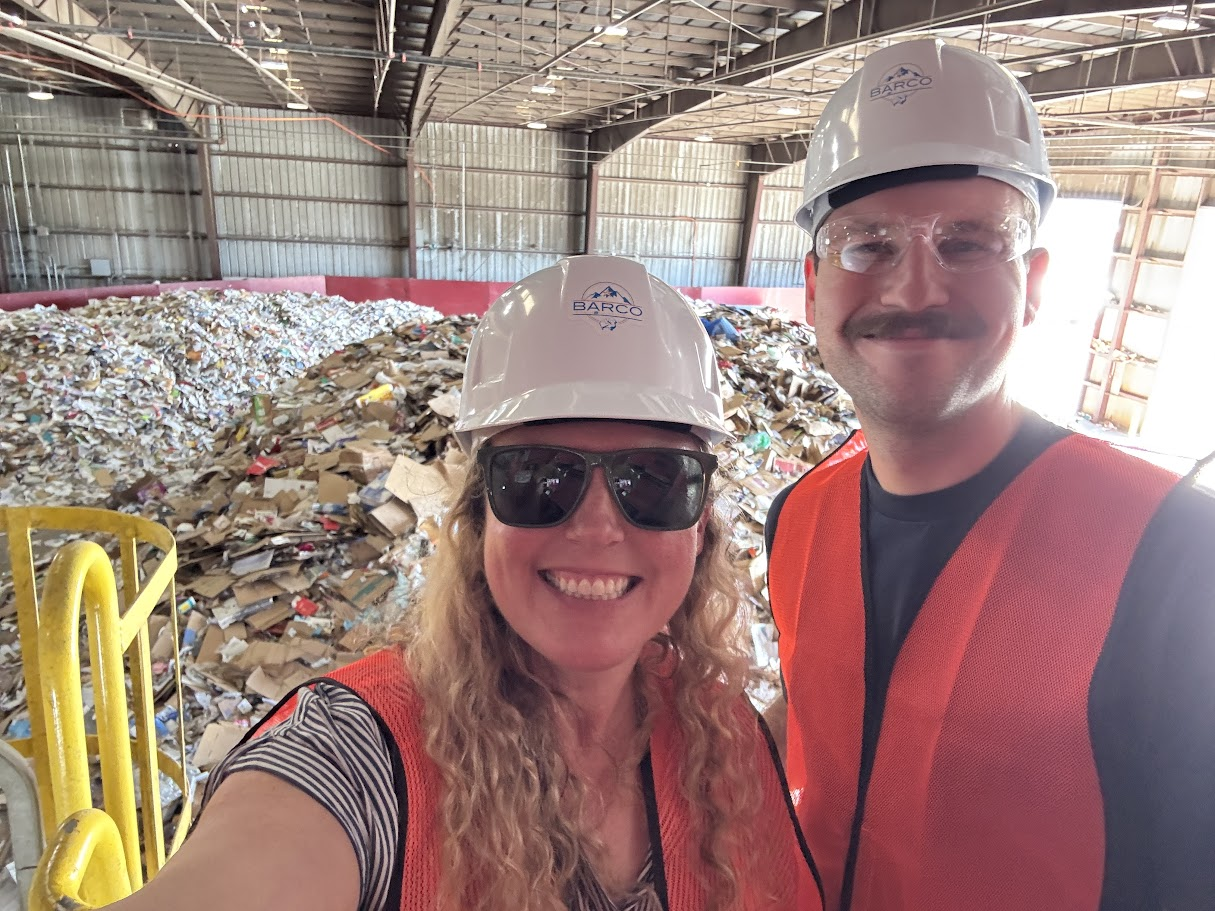
Whether she's facilitating a stakeholder process, developing a zero waste strategy, or helping a state agency evaluate materials management opportunities, Sara believes the strongest solutions emerge when diverse perspectives are represented.
It's a philosophy that has guided her work across municipalities, nonprofits, state agencies, and industry coalitions.
"A lot of people come into consulting from technical or government backgrounds. My experience in nonprofit leadership taught me how to bring people together, build consensus, and think about systems in a broader way.
Everyone brings something different to the table. The more people who are involved in developing a solution, the more sustainable that solution will be."
Sara Nichols, RRS Senior consultant
Tackling Tough Problems
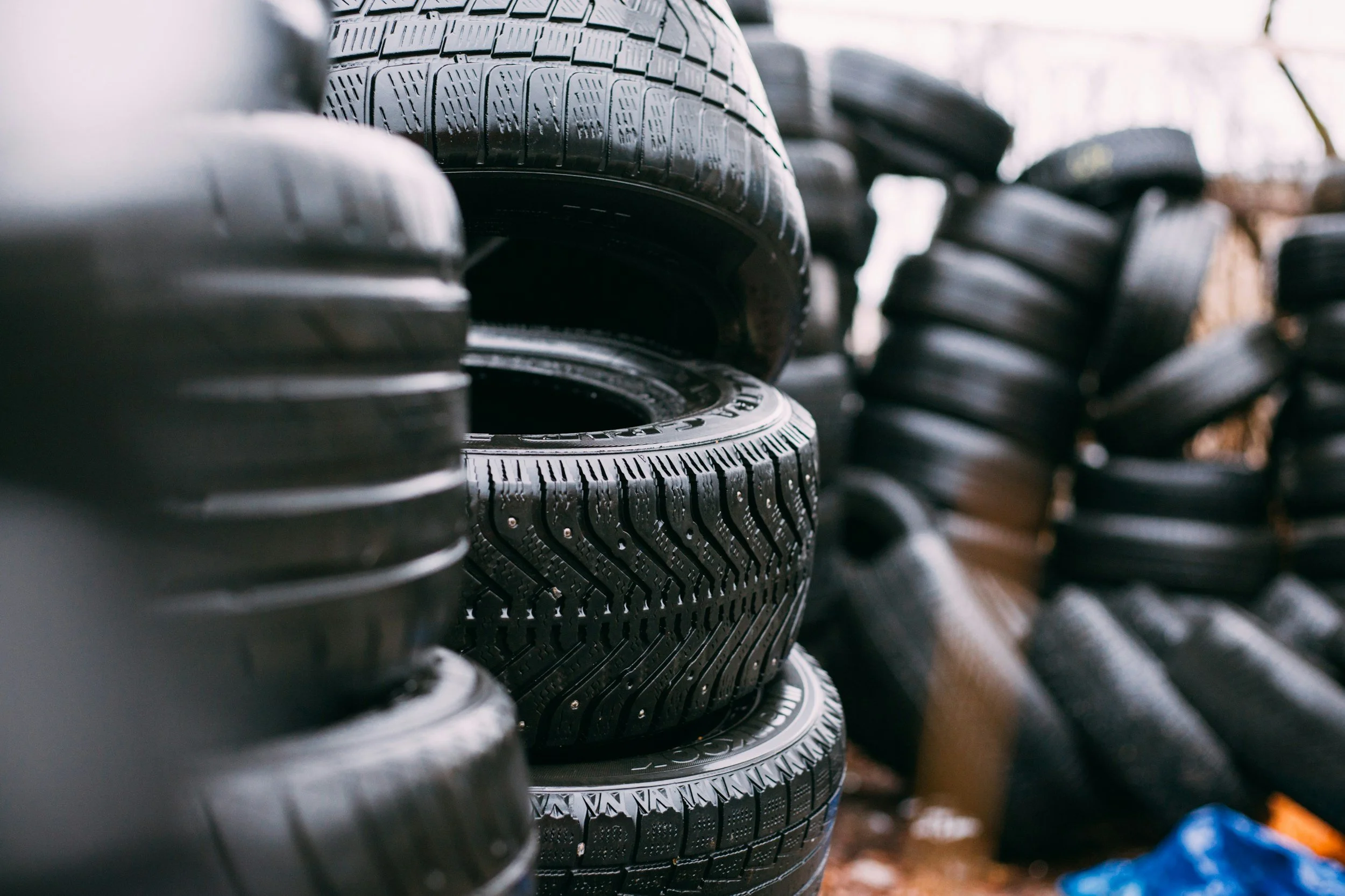
Some of the challenges Sara is most passionate about aren't the ones that make headlines. One area of particular focus: scrap tire management.
Across the U.S., states take dramatically different approaches to end-of-life tires — some have established recovery programs and funding mechanisms, while others are still building foundational systems. The consequences can be significant: fire risks, mosquito-borne illnesses, and costly environmental liabilities.
"There are 50 states with 50 different approaches," Sara explains. "Many are trying to solve the same challenges, but there's still a very piecemeal approach."
Part of the solution lies in developing stronger end markets. Rubber-modified asphalt, which incorporates recycled tire material into road construction, is one promising avenue gaining renewed momentum through new research and successful case studies.
"The more value we can create for recovered materials, the less likely they are to be illegally dumped or improperly managed," Sara says.
Turning Plans into Action
Ask Sara what projects make her most proud, and she doesn't immediately point to a report, a presentation, or a completed deliverable. Instead, she talks about implementation.
One example is the University at Buffalo's Zero Waste Plan, where recommendations developed through the planning process are now being put into practice.
The same principle applies to statewide initiatives like Minnesota's resource management planning work, where ambitious goals are pushing already high-performing systems toward even greater impact.
For Sara, success isn't measured by the report itself. It's measured by what happens after.
"One of the recommendations was implementing organics collection in residential halls, It's really rewarding to see those ideas come to life… We're often trying to solve problems that don't have easy answers. That can be uncomfortable. But seeing clients take those next steps makes it worth it."
Sara Nichols, RRS Senior consultant
Investing in People
In addition to her project work, Sara has become a mentor and resource for colleagues across RRS.
As a Resource Lead and Hub Manager, she helps newer consultants navigate projects, develop skills, and build confidence in their careers.
"It's been one of the most rewarding parts of my own professional growth," she says.
That commitment to supporting others extends beyond RRS. Sara has played an active role in SWANA's Sustainable Materials Management Technical Division and helped relaunch the SWANA Lone Star Chapter's Young Professionals program.
When asked what advice she would give to those entering the field, her answer comes quickly.
"Find your community."
She credits mentors, peers, and professional networks with helping shape her career and encourages emerging professionals to actively seek opportunities to connect with others.
"The relationships you build are incredibly valuable," she says. "Those are the people who support you, challenge you, and help you grow."
Looking Ahead
As materials management continues to evolve, Sara sees growing opportunities for policy, education, and market development to work together in new ways.
From battery management and extended producer responsibility programs to tire recycling and source reduction strategies, she believes the industry is increasingly recognizing the need for systems-level solutions.
It's work that requires patience, collaboration, and a willingness to tackle difficult problems.
Fortunately, those are challenges Sara has never shied away from.
Whether navigating a mountain trail in Patagonia or helping clients build more resilient materials management systems, she's driven by the same belief: progress happens when people are willing to take the next step together.
And that's exactly the kind of leadership the next generation of the industry needs.