From Ambition to Action: Tackling Waste at Scale
Sets the scene with the University of Minnesota – Twin Cities as one of the largest, most complex campuses in the country.
With approximately 300 buildings spread across 1,400 acres and a community of more than 54,000 students — plus thousands of faculty, staff, and visitors from the broader Twin Cities region — the scale of its daily operations is immense. Every day, materials flow through academic and administrative buildings, research laboratories, residence halls, dining facilities, athletic venues, and event spaces. The result is roughly 9,500 tons of material generated annually, a figure that reflects both the vibrancy of campus life and the enormity of the waste management challenge.
Against that backdrop, the University set an ambitious target: achieve 90% campus-wide waste diversion. It's a goal that goes well beyond improving recycling rates. It calls for a fundamental shift in how materials are purchased, used, recovered, and reused across every corner of the institution. To get there, the University needed more than good intentions — it needed a detailed, coordinated, and realistic plan.
The Challenge: A Plateau at 52%
The University had already made meaningful progress through Facilities Management – Waste Recovery Services, including a campus materials recovery facility and the ReUse Warehouse. Despite these investments, diversion had plateaued at approximately 52%, and closing the gap to 90% required a fundamentally different approach.
The barriers were structural. Policy and governance gaps, complex material streams across diverse building types, inconsistent practices, and limited coordination among stakeholders were all limiting progress. The University needed alignment across policies, procurement, education, and engagement to move forward.
"PSI is really about the spec side, the policy side of paper recycling. It is made up of folks in that industry, whether they are MRF operators, haulers, or paper mill companies that consume and produce paper."
Matt todd, RRS consultant
A Systems-Based Strategic Approach
RRS brought a strategic, systems-based approach to the project — one designed to look at the full picture rather than isolated programs. The goal was not just to identify what wasn't working, but to understand how every piece of the University's waste management ecosystem connected, and where targeted interventions could unlock the greatest progress toward 90% diversion.
This meant going beyond surface-level audits. RRS combined on-the-ground assessments with deep stakeholder engagement and established best practices in materials management to develop a plan that addressed root causes, not just symptoms. The approach recognized that waste diversion on a campus of this scale is not a single problem to solve but a system to redesign — one that touches procurement, operations, education, policy, culture, and communication simultaneously.
The result was a plan built for implementation, not just presentation. Every recommendation was grounded in the operational realities of the University's campus and designed to be rolled out in realistic phases that respected existing resources, built on current strengths, and created momentum over time. Rather than asking the University to overhaul everything at once, the strategy met the institution where it was and charted a clear path forward from there.
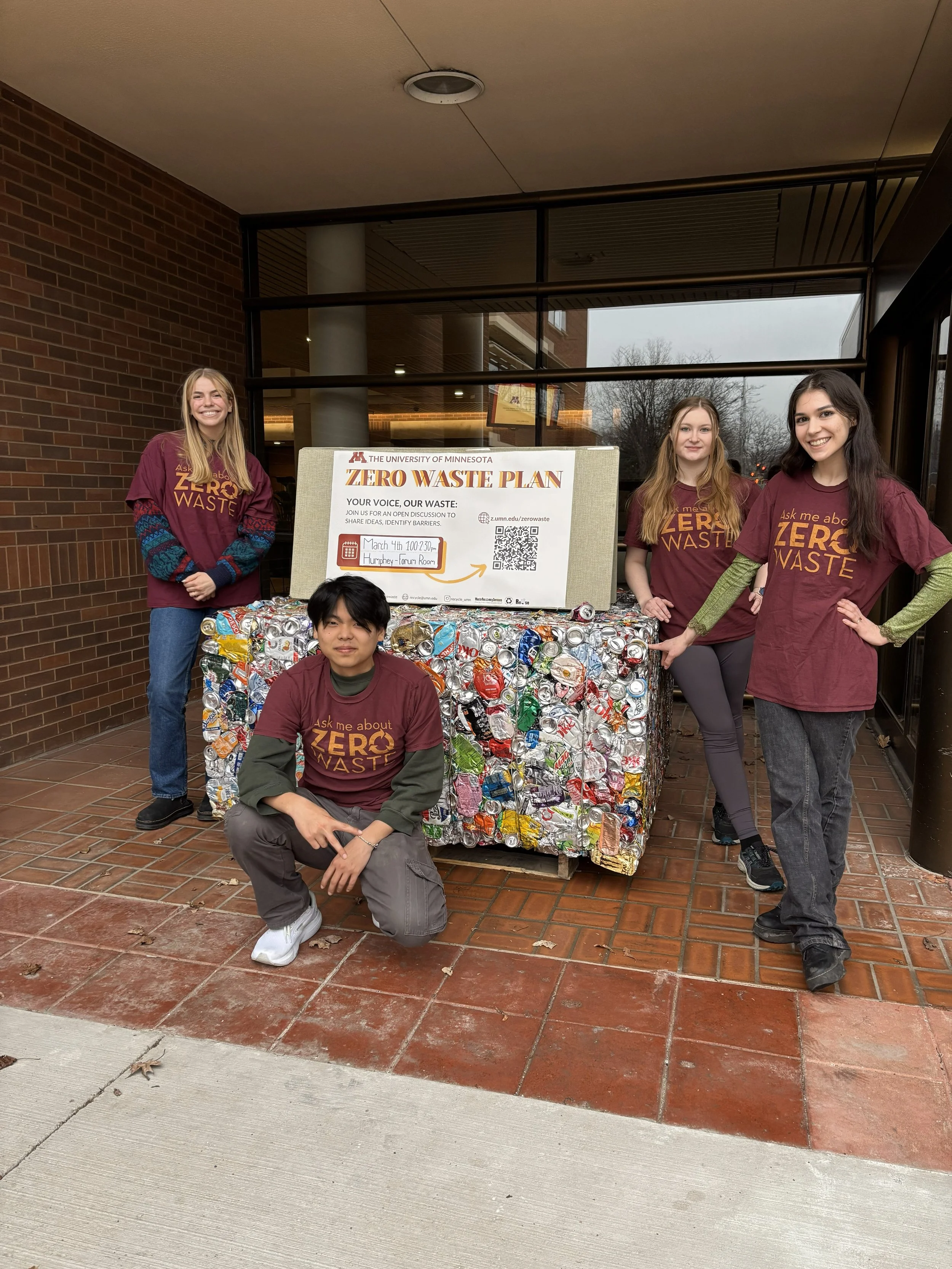
System Assessment and Gap Analysis
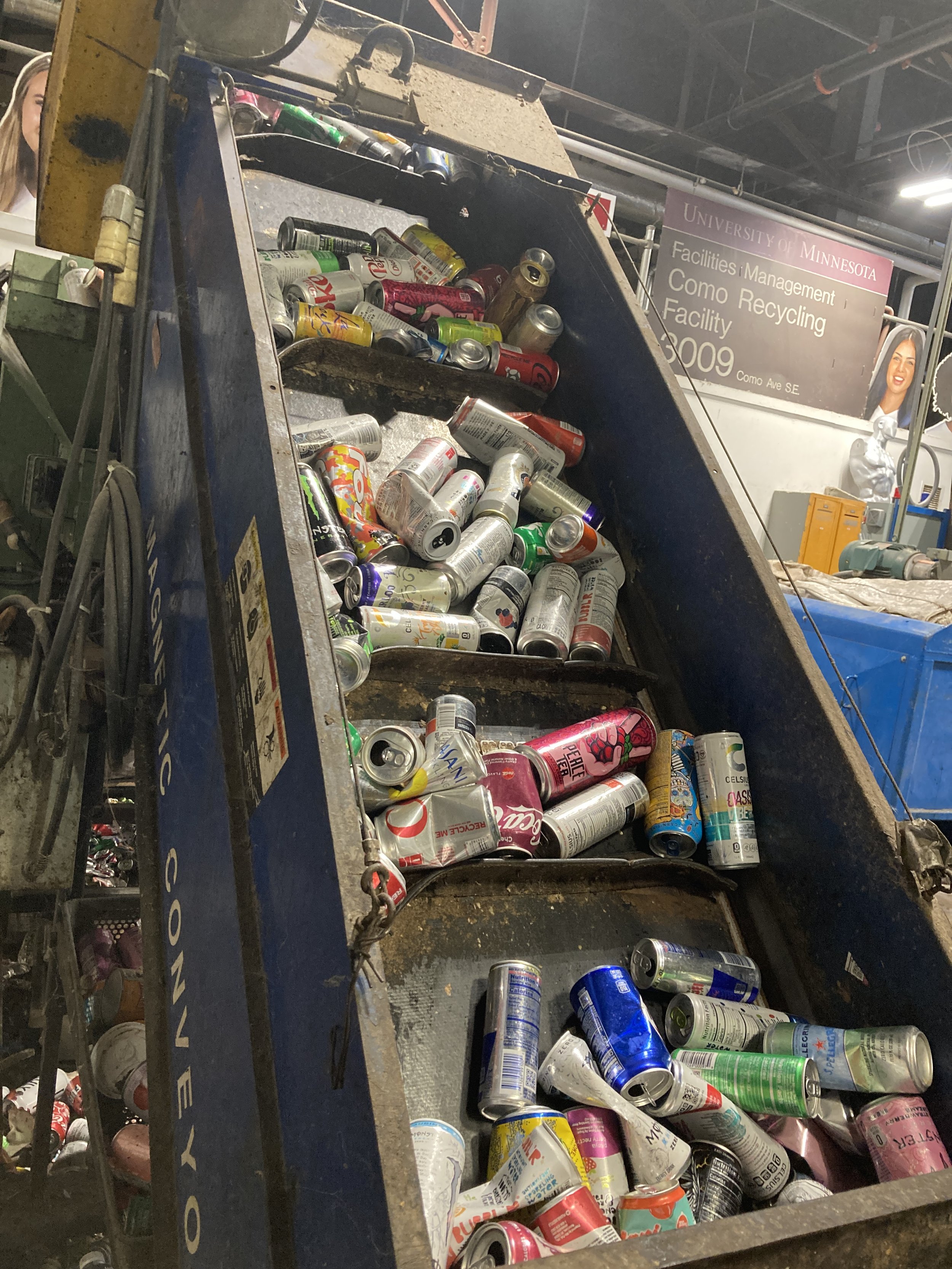
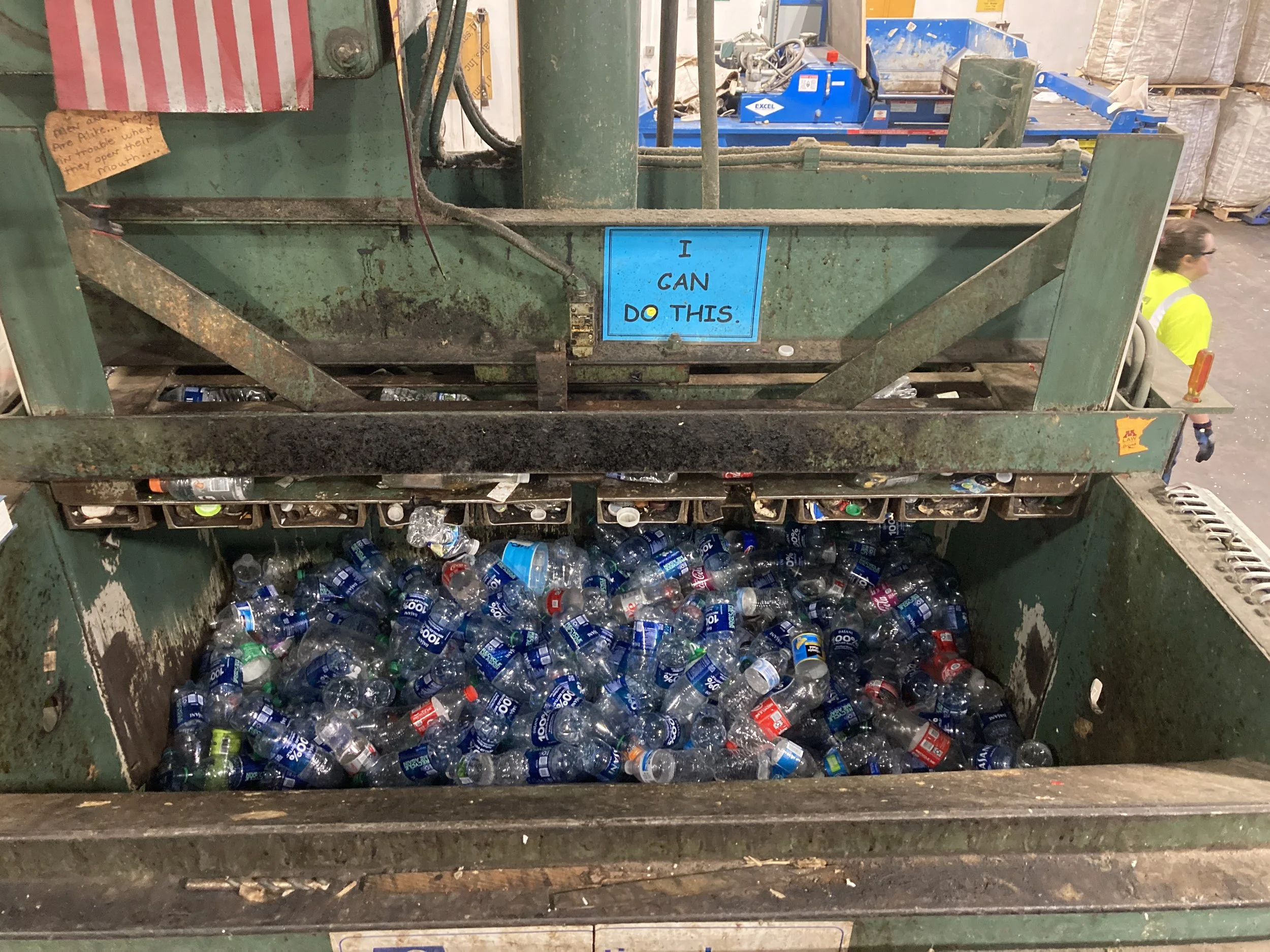
RRS conducted comprehensive campus-wide site assessments and a detailed gap analysis evaluating the University's existing waste reduction, reuse, recycling, and organics programs alongside its infrastructure, policies, and operational practices. The assessment examined the full lifecycle of materials on campus, from how they entered through procurement and deliveries to how they were collected, sorted, processed, and ultimately disposed of or diverted. This analysis surfaced barriers, redundancies, and high-impact opportunities that weren't always visible from a high level.
Each campus setting presented unique challenges and opportunities for improvement. Research labs had specialized material streams with regulatory and safety considerations requiring tailored solutions, while residence halls created concentrated surges of waste during seasonal move-in and move-out periods. Dining facilities were managing food waste at scale with room to expand composting and source reduction, and event spaces generated periodic spikes in single-use materials that called for dedicated large-event waste reduction strategies. The gap analysis gave the University a clear, evidence-based picture of where it stood and what it would take to reach its diversion target.
Stakeholder Engagement: Grounding the Plan in Reality
RRS engaged key stakeholders across the University — from Facilities Management and sustainability leadership to students, faculty, and staff — to validate findings, understand day-to-day operational realities, and incorporate diverse perspectives into the final recommendations. This engagement was a core part of the methodology, not a check-the-box exercise, and it shaped the plan from the ground up. Conversations with facilities teams revealed operational constraints that assessment data alone couldn't capture, while feedback from sustainability leaders helped align recommendations with broader institutional goals and existing initiatives.
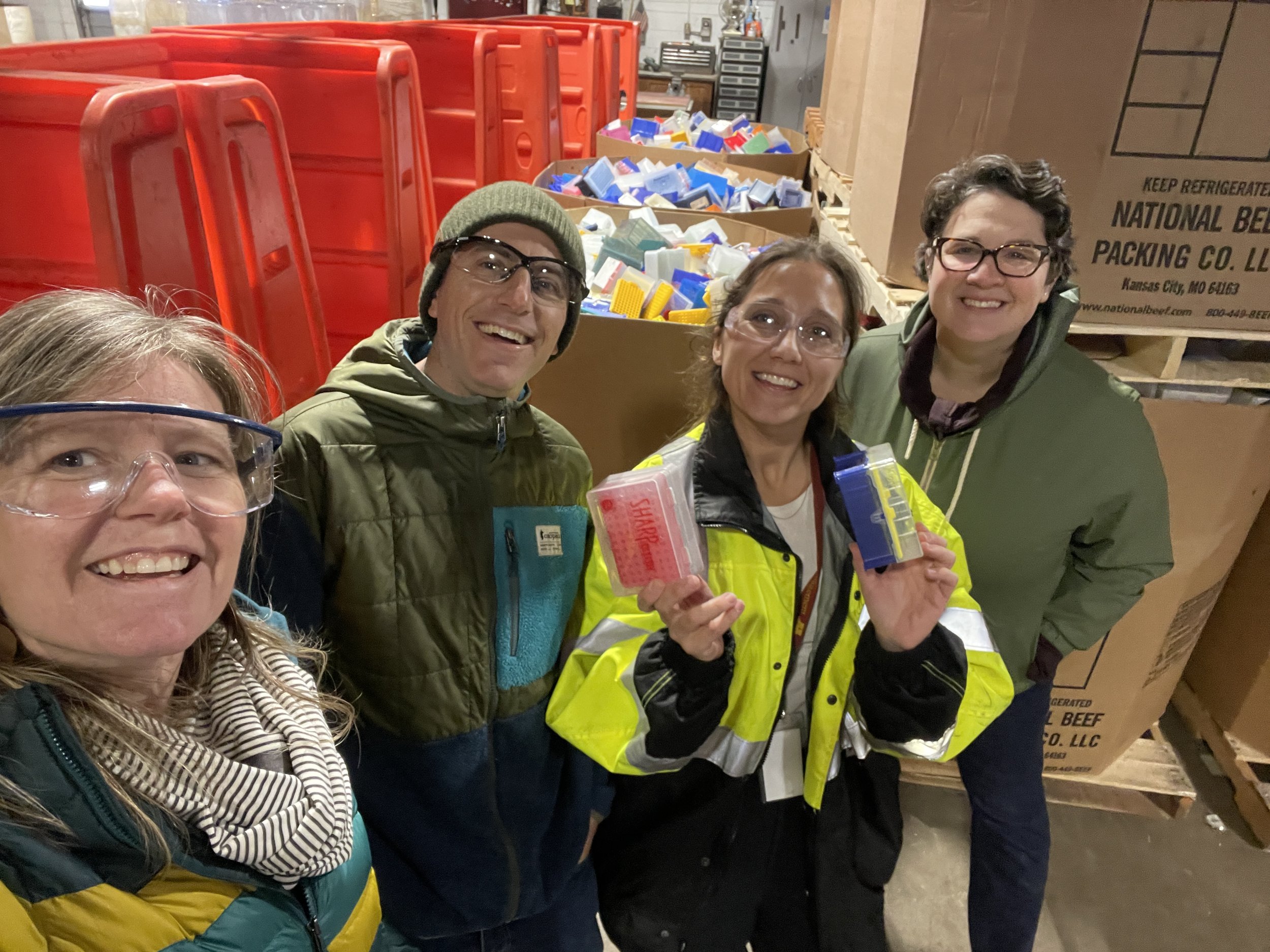
Student perspectives were particularly valuable, captured in part through 556 community survey responses that brought urgency and on-the-ground insight into how waste systems actually functioned in the spaces where students lived, studied, and gathered. The engagement process ensured that recommendations were equitable and context-sensitive, recognizing that what works in a modern dining hall may not translate to a century-old academic building or a high-security research facility. As the University's own Zero Waste Plan notes, the effort "reflects a groundswell of student advocacy for meaningful action around zero waste initiatives and creation of a resilient campus community."
Phased Implementation and Communications
RRS developed a structured, multi-phase roadmap that prioritized actions over time and gave the University a clear sequence for moving forward. The phased approach built on existing infrastructure — recognizing investments already made in programs like the ReUse Warehouse and materials recovery facility — while identifying resource needs and opportunities to expand waste reduction, reuse, recycling, and organics programs at each stage. The plan also addressed policy and procurement alignment, informing sustainable procurement strategies designed to reduce waste upstream before materials even entered campus, making downstream diversion easier and more cost-effective over time.
Equally critical was the development of a comprehensive communications roadmap, one of the most distinctive deliverables of the project. This wasn't an afterthought — it was a core element designed to connect operational recommendations, policy direction, and engagement efforts into a single cohesive framework. Getting 54,000 students and thousands of staff and faculty to change daily habits requires more than new signage or occasional email reminders; it requires a coordinated, sustained strategy that meets people where they are, provides clear and actionable guidance, and builds the kind of long-term cultural change that keeps diversion rates climbing year after year.
Outcomes: A Durable Foundation for Zero Waste
RRS delivered the University of Minnesota – Twin Cities' first comprehensive Zero Waste Plan, providing a clear and coordinated framework to advance from 52% diversion toward its 90% goal by 2030. The phased implementation strategies gave the University a structured roadmap that built momentum over time, while the communications roadmap ensured every operational recommendation and policy shift was supported by consistent messaging across campus. The policy and procurement alignment work positioned the University to reduce waste at its source, creating systemic improvements that would compound over time.
A skilled team from RRS drove the project from start to finish. Consultants Karre Wagner and Erin Oulton led the strategic direction and stakeholder engagement, while analyst Bridgette Pollaski drove the data analysis and gap assessment work that shaped the plan's priorities. Together, their expertise in zero waste planning, materials management, and community engagement delivered a plan that empowers students, faculty, and staff to participate in a shared zero waste vision and positions UMN as a leader in sustainability within higher education.