
Latest
A collection of our most recent news, research and upcoming events.

Watch “From Planning to Action” SWIFR Webinar
Learn how states and communities are moving from planning to implementation using SWIFR funding. Featuring leaders from Alabama, Washington State, and Lexington-Fayette Urban County Government, the session explored real-world approaches to building infrastructure, launching programs, and improving system performance while navigating challenges like capacity limitations and federal requirements. Designed for communities, states, and tribes, the discussion offered practical insights on execution, including working with grant officers, developing QAPPs, and addressing provisions such as Build America, Buy America.
SWIFR Grants in Action
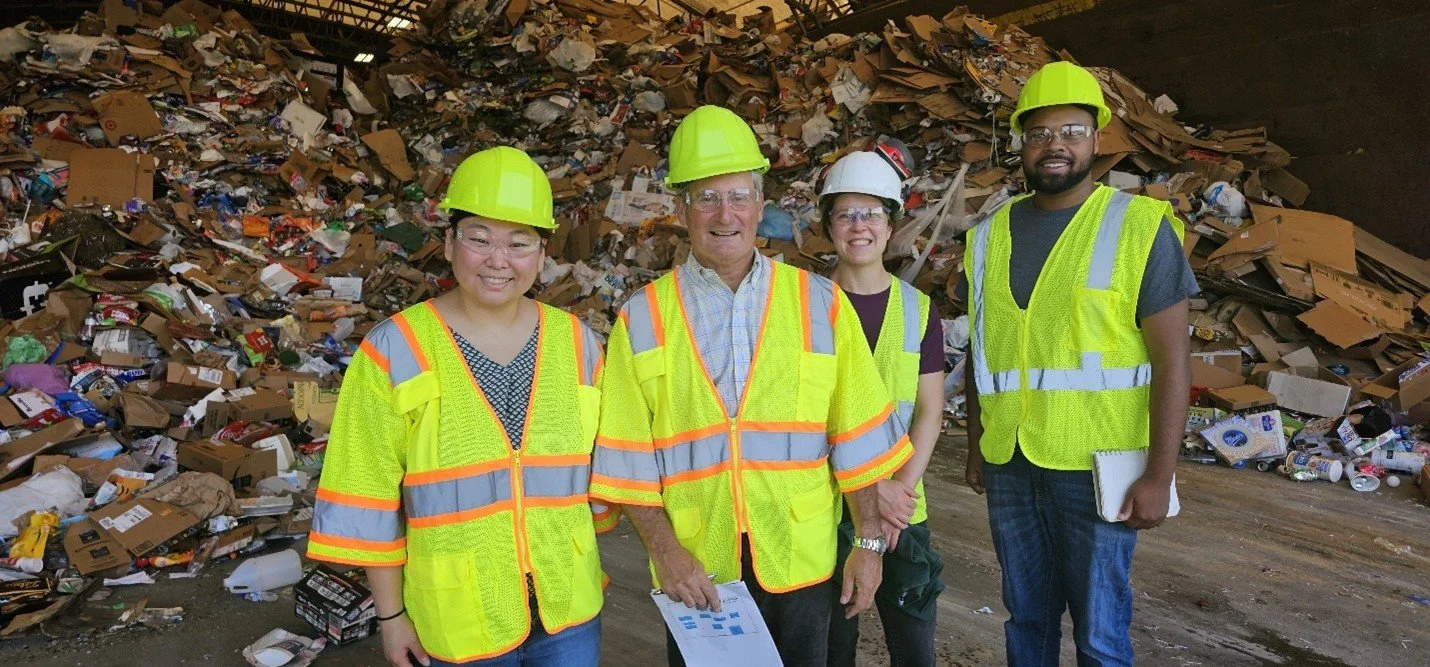
EPA’s Solid Waste Infrastructure for Recycling (SWIFR) grants are helping states and communities modernize recycling and materials management systems. Explore how SWIFR-funded projects are advancing circular economy strategies across the U.S., from statewide solid waste plans to recycling system optimization

RRS Appoints Co-CEOs Resa Dimino and Catherine Goodall to Lead Next Era of Recycling and Sustainability Innovation
Resource Recycling Systems (RRS) is entering a new chapter of mission-driven leadership with the appointment of Resa Dimino and Catherine Goodall as co-CEOs, bringing decades of combined expertise in recycling policy, EPR compliance, and circular economy strategy. The transition honors the legacy of co-founder Jim Frey while positioning RRS's employee-owned firm for continued growth and impact across the evolving recycling and materials management industry.

Polystyrene Recycling Study
The Polystyrene Recycling Alliance (PSRA), in partnership with Resource Recycling Systems (RRS), released a comprehensive study mapping polystyrene recycling infrastructure across the U.S. and Canada, identifying 126 companies and 169 facilities actively recovering material.

Connecting the Materials Management Community
RRS hosted an evening social at the 2026 Resource Recycling Conference, bringing together leaders across recycling and materials management for conversation, collaboration, and connection.

Inside Textile Circularity: What EPR, Secondhand Markets, and RRS's Marisa Adler Say About the Future of Fashion Waste
Change Cycle Podcast host Christine Yeager and RRS Senior Consultant Marisa Adler explore why textile waste continues to overwhelm landfills — and what EPR policy reform, smarter trade practices, and cross-sector collaboration can do to fix it. This expert conversation is a must-listen for sustainability professionals, policymakers, and brands looking to build credible, scalable recycling and reuse programs for textiles.

Recyclers Are Facing Unprecedented Changes
The interior of a modern MRF facility with conveyor belts carrying mixed recyclables, bright overhead lighting illuminating the sorting floor, and industrial equipment in the background.

SWIFR Grants Help Local Governments Build Sustainable Organics Recycling Programs
The Solid Waste Infrastructure for Recycling (SWIFR) grant program is empowering local governments across North Texas to establish and expand cost-effective organics collection and food waste recycling programs. Resource Recycling Systems (RRS) developed a free suite of procurement guides, contract templates, and ordinance resources to help communities build stronger, more sustainable solid waste infrastructure.

Why Sector Leadership Matters
Learn why sector leadership and collaboration are critical to advancing building materials reuse, featuring Jackie Kirouac-Fram’s election to the Build Reuse Board.

WastelessCOS: How Colorado Springs Is Building a Roadmap for Sustainable Waste Diversion
The City of Colorado Springs has launched the WastelessCOS Waste Diversion Study and Action Plan, setting an ambitious goal of achieving a 37% community-wide waste diversion rate by 2045. With technical support from Resource Recycling Systems (RRS) and funding from the Colorado Circular Communities program, the plan outlines concrete strategies across five key areas to help Colorado Springs build a cleaner, more sustainable future.

California's SB 707 Explained: What Textile Producers Need to Know About EPR Compliance
California's Responsible Textile Recovery Act (SB 707) is reshaping how apparel and textile producers manage end-of-life products, with key registration deadlines approaching in 2026 and full program enforcement beginning in 2030. Resource Recycling Systems (RRS) is already helping shape the program through its work with the Textile Renewal Alliance, making now the critical time for producers to understand their obligations and prepare for compliance.

Watch “From Planning to Practice” Webinar
Learn how Michigan’s Part 115 MMPs gain structure and enforceability in this webinar featuring legal expertise from Robert Charles Davis and a practical Q&A with RRS Director of Client Services, Anna Lynott.

New York's Recycling Gap: Key Findings from the CSMM and RRS Statewide Recycling Assessment
A sweeping new statewide recycling needs assessment conducted by the Center for Sustainable Materials Management (CSMM) and Resource Recycling Systems (RRS) reveals major gaps in New York's recycling access, education funding, and material recovery rates. The Phase 2 findings offer local and state leaders a data-driven roadmap to strengthen recycling infrastructure and advance New York's circular economy goals.
Flexible Film Recycling and California's EPR Law: Why End Markets Will Make or Break the System
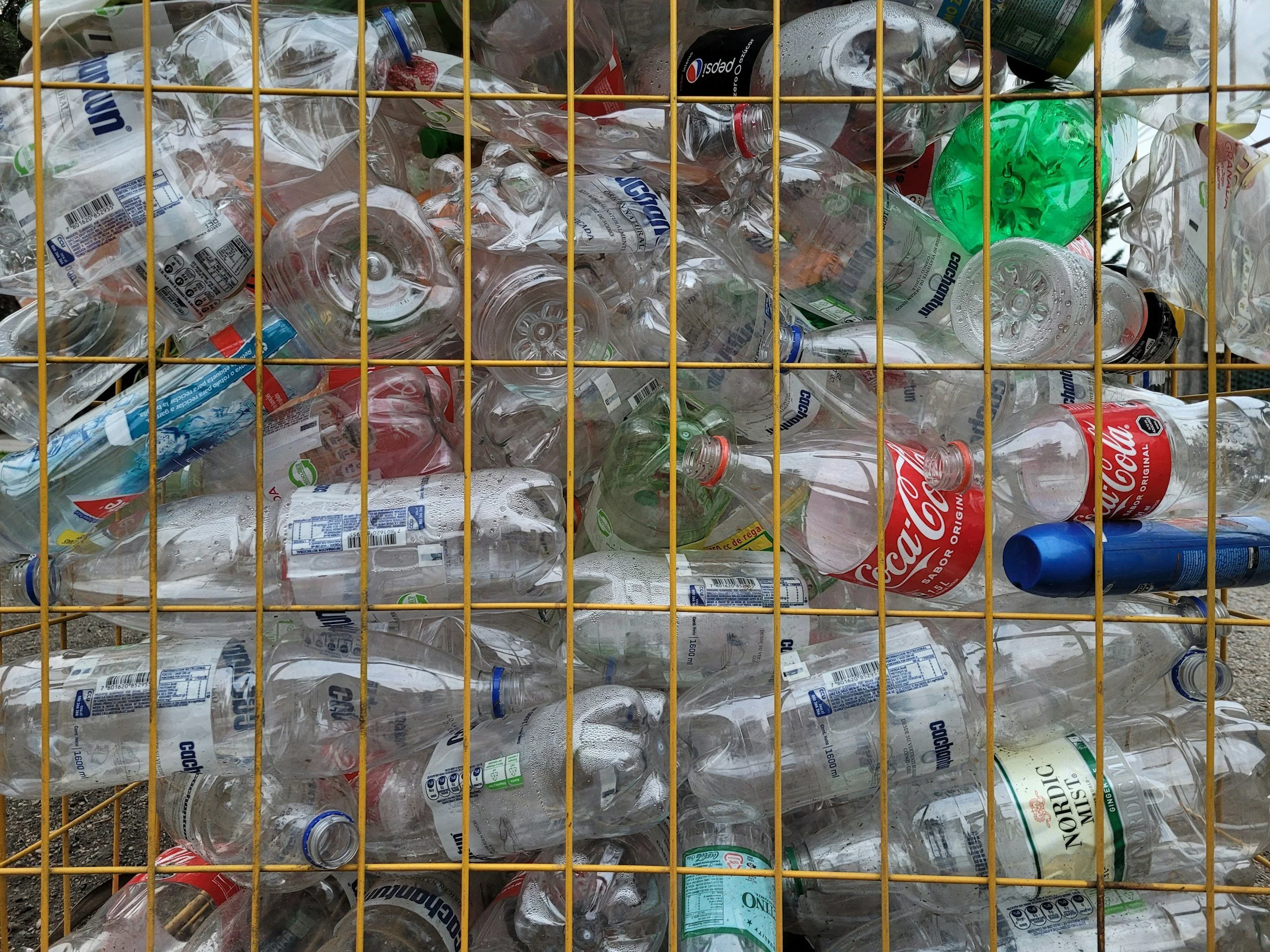
California's SB 54 packaging EPR law is pushing brands, recyclers, and industry leaders — including Resource Recycling Systems (RRS) through the U.S. Flexible Film Initiative — to urgently build viable end markets and redesign flexible packaging for real-world recyclability. Without stable buyer demand and simplified packaging structures, experts warn that even the best collection systems will fall short of California's ambitious 2032 recycling targets.

New York Needs Assessment
CSMM, with support from RRS, released Current Recycling Systems in NYS, a statewide report detailing recycling access, costs, and performance while identifying opportunities to improve equity and strengthen climate outcomes.

FREE Webinar: From Planning to Practice
Explore the legal foundations of Michigan’s Part 115 MMPs in this RRS webinar featuring expert insights and a live Q&A with attorney Robert Charles Davis and RRS Director of Client Services Anna Lynott.

Optimizing MRF Operations Nationwide
Closed Loop Partners, with support from RRS, released a best practices guide to help U.S. MRFs optimize recycling operations and prepare for expanding EPR programs.

Renewed Strategy for Poly Coated Paper Alliance
The Poly Coated Paper Alliance (PCPA) — managed by RRS — has launched a renewed national strategy to make poly-coated paper products like cups and ice cream tubs a routine part of curbside recycling.

Poly Coated Paper Alliance Launches National Strategy to Expand Coated Paper Recycling Under EPR
The Poly Coated Paper Alliance (PCPA), managed by Resource Recycling Systems (RRS), is rolling out a comprehensive national plan to close data gaps, grow end markets, and align poly coated paper recovery with expanding extended producer responsibility (EPR) programs across the U.S. From design for recyclability guidance to consumer education toolkits, the alliance is working to make products like paper cups and ice cream tubs a standard part of curbside recycling by 2028.

New MRF Best Practices Guide Aims to Strengthen Recycling Infrastructure and Boost Material Recovery Rates
Closed Loop Partners, American Beverage, and Resource Recycling Systems (RRS) have joined forces to publish a comprehensive MRF Best Practices Guide designed to help recycling facilities optimize operations and meet growing EPR compliance demands. The guide offers actionable tools and downloadable templates to help MRF operators across the U.S. improve material recovery, reduce contamination, and build more resilient recycling infrastructure.